
Moraine (glacial landform)
A moraine is an accumulation of rock and sediment deposited by glaciers. This article explains types, formation processes, distribution since ice ages, and their importance in earth science and landscape evolution.
Overview
A moraine is a landform made up of rock fragments, soil and other debris transported and deposited by a moving glacier. Moraines occur in areas that currently host glacial regions and in landscapes where glaciers once existed, including terrain shaped during the last ice age. They record the direction, extent and behaviour of former and modern ice and are an important focus in glacial geology.
Image gallery
10 Images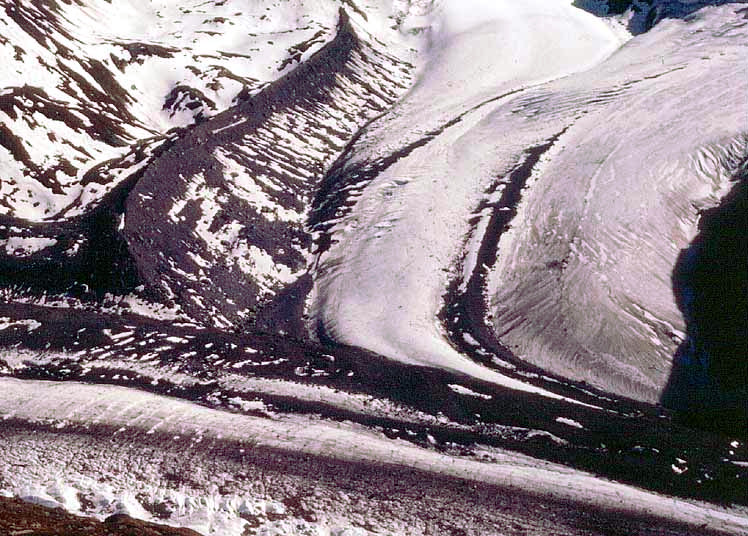




Formation and characteristics
Glaciers modify and carry material by processes such as plucking and abrasion. Material can fall onto a glacier from valley walls due to weathering, be entrained at the base, or sit on the surface. Bedrock may be ground to fine silt (often called glacial flour) while larger fragments, including boulders, are also common. When ice melts or retreats, this assortment of sizes is left behind and arranged by ice flow, meltwater, or gravity.
Types of moraines
- Lateral moraines — ridges of debris along the sides of a valley glacier.
- Medial moraines — formed where two glaciers meet and their lateral debris combine into a central band.
- Terminal and recessional moraines — indicate the maximum and intermediate positions of glacier margins.
- Ground moraines — a broadly spread layer of till left beneath an ice sheet.
- Drift from icebergs — when icebergs break from tidewater glaciers and melt, they deposit isolated clasts (ice-rafted debris) into marine settings; this process is associated with icebergs.
Distribution and historical significance
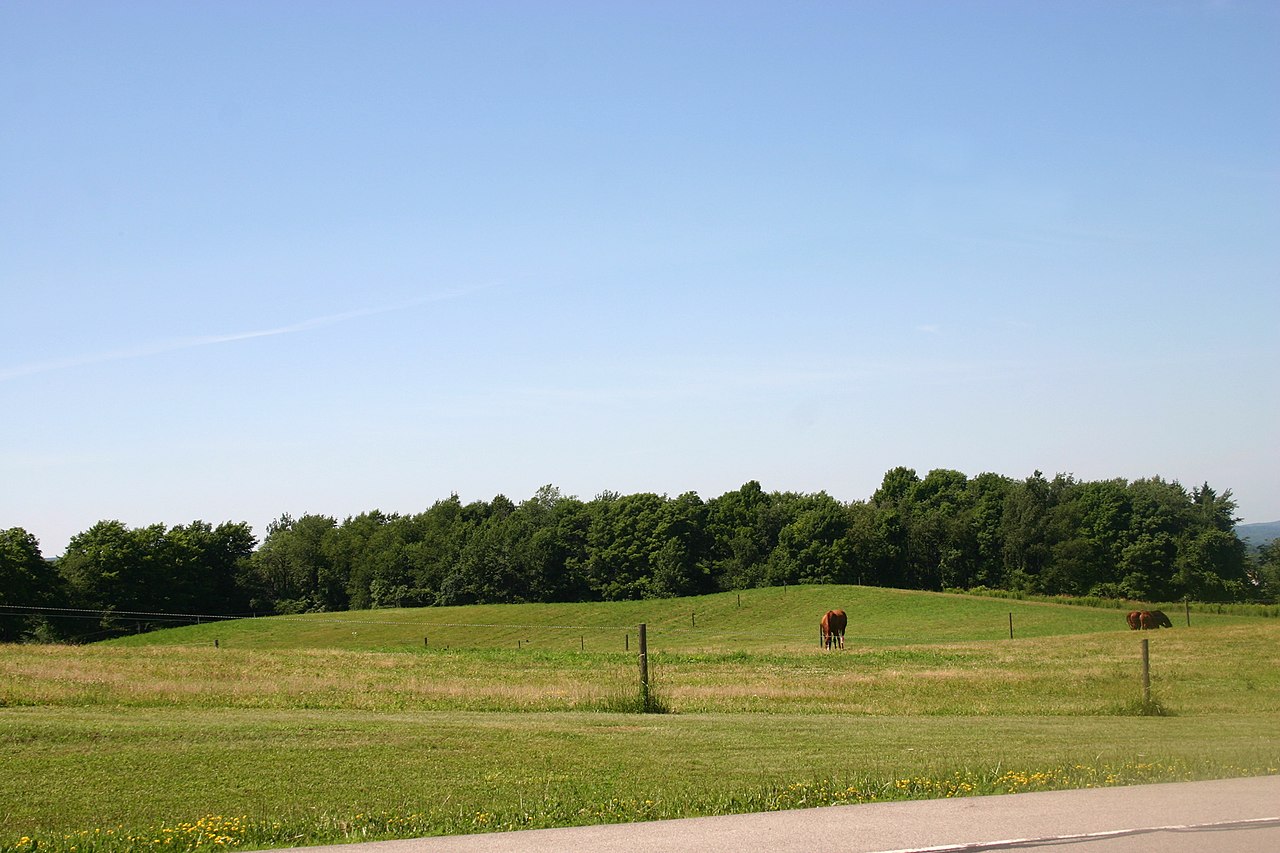
Moraines that lie far from present glaciers are remnants of past glaciations. Many landscapes across mid- and high latitudes carry morainic deposits left during colder intervals; mapping these features helps reconstruct ice-sheet extent and timing. Sediments range from fine glacial flour to gravel and large rocks, and local weathering and transport history influence the composition.
Practical importance and examples
Moraines affect drainage, soil development and vegetation patterns. They can form natural dams that create lakes and wetlands and are used as sources of aggregate in construction. In the field, geologists distinguish moraines from other deposits by their chaotic mix of particle sizes and their spatial relation to former ice margins. Studies integrate landform mapping with sediment analysis and dating methods to understand landscape evolution in both modern glaciers and formerly glaciated territories.
Notable distinctions and observations
Not all ridge-like deposits are moraines; fluvial fans, talus slopes and landslides may appear similar. Careful study of stratigraphy and context—such as their position relative to a valley and presence of glacier-sourced material—helps to confirm a glacial origin. In coastal and marine settings, deposits delivered by melting icebergs can be widespread and carry large erratic stones far from their source, illustrating the varied mechanisms that create morainic and related glacial deposits.
For further introductory resources see weathering processes, regional surveys at glacial region inventories, and summaries of glaciation episodes using ice age reconstructions. Additional reading may include field guides on identifying debris types, distinguishing silt and glacial flour, or case studies of moraine systems associated with specific boulder fields and iceberg-rafted deposits.
Related articles
Author
AlegsaOnline.com Moraine (glacial landform) Leandro Alegsa
URL: https://en.alegsaonline.com/art/66602
Sources
- commons.wikimedia.org : Moraines