
Morris County, New Jersey
Morris County, northwest of New York City, is a historically important and economically diverse county in New Jersey. County seat Morristown, population ~499,693 (2017), includes Parsippany-Troy Hills and Rockaway Township.
Overview
Morris County is a county in the U.S. state of New Jersey located northwest of New York City. It is a mixture of suburban towns, small downtowns, protected natural areas and light industrial corridors. As of 2017 there were about 499,693 residents, making it among the more populous counties in the state. The county government is based in Morristown, the historic county seat.
Image gallery
10 Images



Geography and municipalities
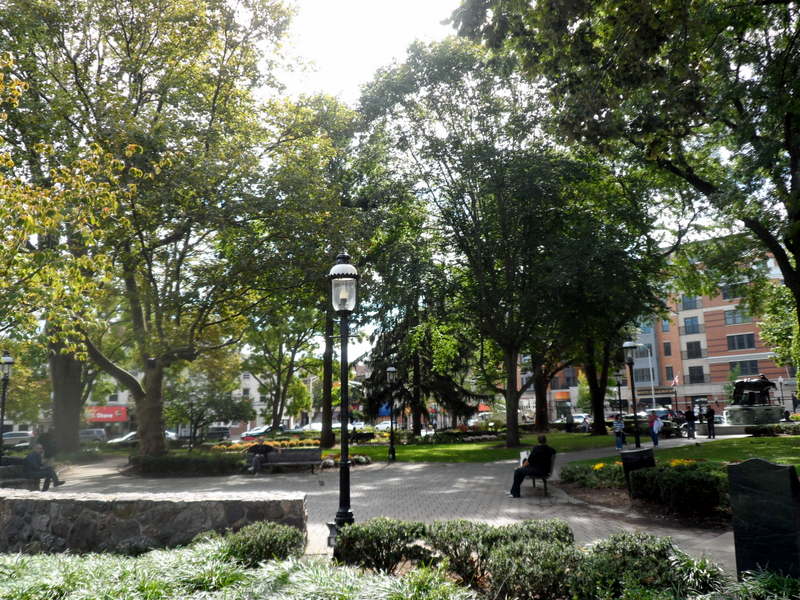
The county covers a varied landscape of rolling hills, river valleys and preserved open space. Municipalities range from densely settled suburbs to larger, more rural townships. The most populous municipality is Parsippany-Troy Hills (about 53,238 people), while the largest by land area is Rockaway Township, roughly 45.55 square miles. For an overview of county services and maps see the county portal: Morris County.
History and heritage
Morris County dates to the colonial era and was named for colonial governor Lewis Morris. Morristown is widely known for its role in the American Revolutionary War, serving as an encampment and supply center. Historic sites and museums in the county preserve 18th- and 19th-century buildings and artifacts.
Government, economy and services
The county operates through a board of elected commissioners and provides regional services such as courts, road maintenance, parks and public records. The local economy blends corporate offices, light manufacturing, professional services and retail. Residents commonly commute to employment centers within the county and to the New York metropolitan region.
Transportation and recreation
Morris County is served by a network of major highways, regional bus routes and commuter rail lines connecting to Hoboken and New York City; local transit and road infrastructure support daily travel. Recreational assets include county parks, hiking trails and portions of the Great Swamp National Wildlife Refuge. Visitors and residents use an assortment of parks, historic sites and community programs for outdoor and cultural activities.
Notable facts and further reading
- County institutions are centered in Morristown, which also hosts key cultural sites.
- Local government and planning balance development with preservation of open space.
- For municipal information, transportation schedules and park details consult state and local resources: New Jersey state pages and county directories.
For more on towns, demographics and services check municipal pages and regional planning resources: regional transit, Morristown, and Parsippany-Troy Hills offer entry points to detailed local information.
Questions and answers
Q: Where is Morris County located?
A: Morris County is located in the U.S. state of New Jersey, close to New York City.
Q: How many people were living in Morris County as of 2017?
A: As of 2017, there were 499,693 people living in Morris County.
Q: What is the county seat of Morris County?
A: The county seat of Morris County is Morristown.
Q: What is the most populous township in Morris County?
A: The most populous township in Morris County is Parsippany-Troy Hills Township, with 53,238 people.
Q: What is the largest place in Morris County and how big is it?
A: The largest place in Morris County is Rockaway Township, at 45.55 square miles (118.0 km2).
Q: How does Morris County rank in terms of population among other counties in New Jersey?
A: Morris County is the 10th-most populous county in New Jersey.
Q: What is the purpose of this text?
A: The purpose of this text is to provide information about Morris County, New Jersey, including its location, population, county seat, most populous township, largest place, and ranking in terms of population.
Related articles
Author
AlegsaOnline.com Morris County, New Jersey Leandro Alegsa
URL: https://en.alegsaonline.com/art/66755
Sources
- state.nj.us : The Story of New Jersey's Civil Boundaries: 1606–1968
- census.gov : QuickFacts – Morris County, New Jersey; New Jersey; United States
- factfinder.census.gov : Annual Estimates of the Resident Population: April 1, 2010 to July 1, 2017 - 2017 Population Estimates
- factfinder.census.gov : GCT-PEPANNCHG: Estimates of Resident Population Change and Rankings: July 1, 2016 to July 1, 2017 - State -- County / County Equivalent from the 2017 Population Estimates for New Jersey
- nj.gov : New Jersey County Map
- census.gov : New Jersey: 2010 – Population and Housing Unit Counts; 2010 Census of Population and Housing
- census.gov : "Census 2010 U.S. Gazetteer Files: New Jersey Counties"
- wikidata.org : wikidata.org/wiki/Q498163
- d-nb.info : 4496995-8
- isni.org : 0000 0004 0427 6979
- musicbrainz.org : 4f543e0a-37ab-432c-9257-fe9884d440de
- viaf.org : 158260086
- worldcat.org : lccn-n79007705