
Molotov–Ribbentrop Pact (Nazi–Soviet Non‑Aggression Pact)
A 1939 non‑aggression treaty between the Soviet Union and Nazi Germany that included a secret protocol dividing parts of Eastern Europe and precipitated the joint invasion of Poland.
Overview
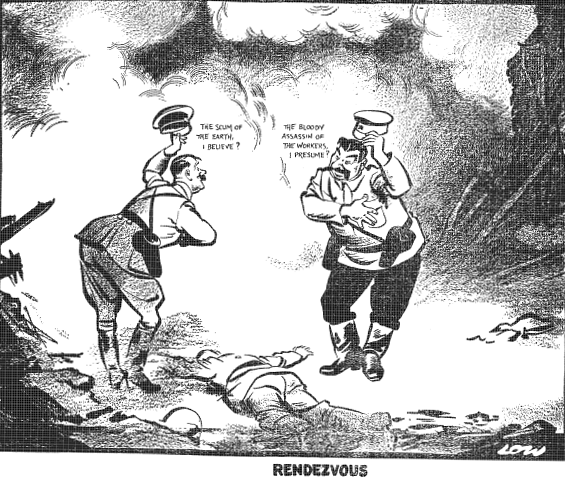
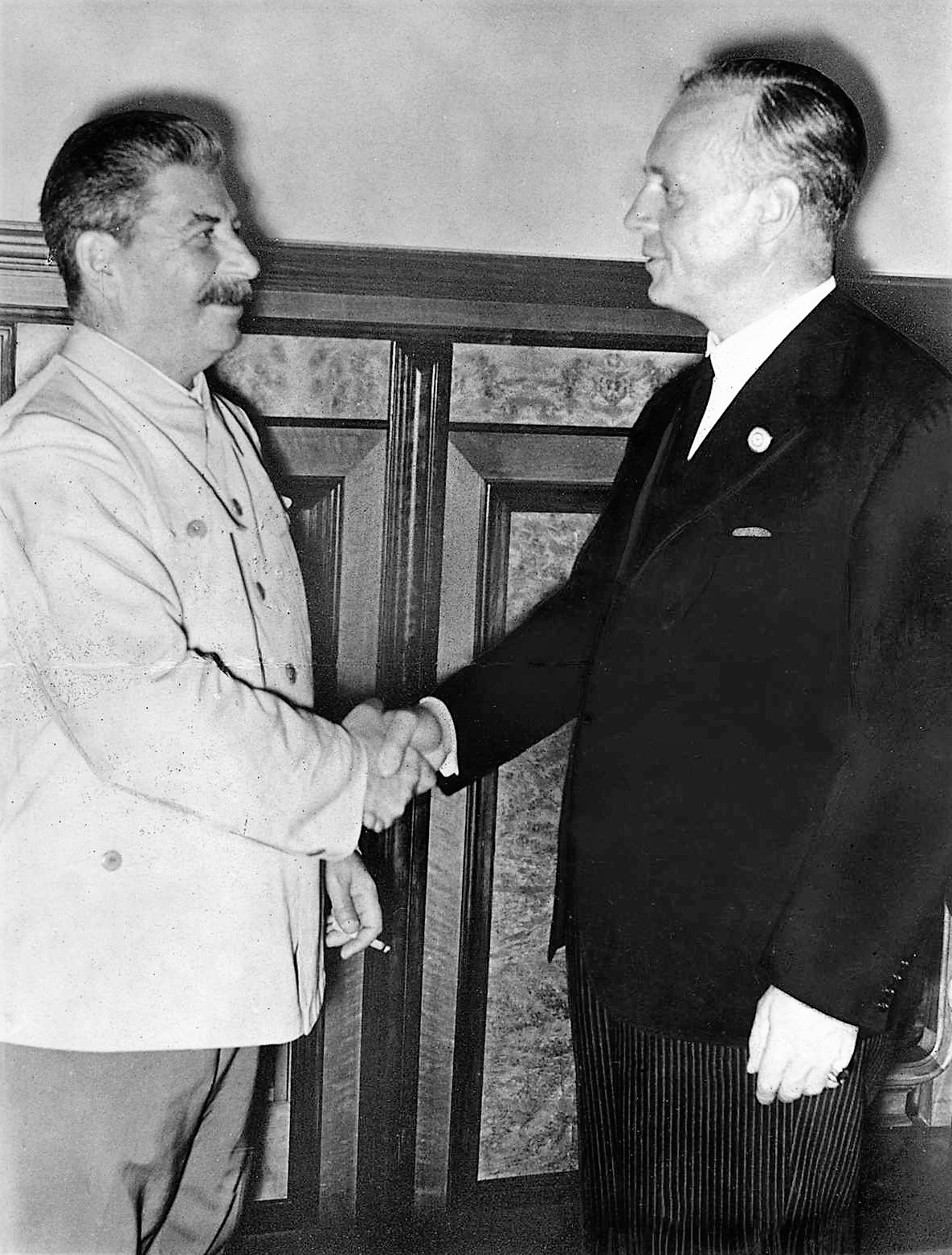
The Molotov–Ribbentrop Pact was a formal non‑aggression agreement signed on 23 August 1939 by Soviet Foreign Minister Vyacheslav Molotov and German Foreign Minister Joachim von Ribbentrop. Publicly it pledged that the two governments would not attack one another. The treaty removed the immediate diplomatic barrier between the Soviet Union and Nazi Germany, enabling both to pursue their strategic aims in Europe without fear of a two‑front confrontation.
Image gallery
10 Images



Terms and the secret protocol
Beyond the written non‑aggression clauses, the pact contained a confidential addendum—commonly called the secret protocol—that delineated spheres of influence in Eastern Europe. That arrangement assigned regions of interest and influence and effectively set the stage for the partition of Poland and the reordering of Baltic and border territories. The existence of this secret agreement later became central to historical assessments of complicity in the early phases of the Second World War.
Invasion of Poland and immediate consequences
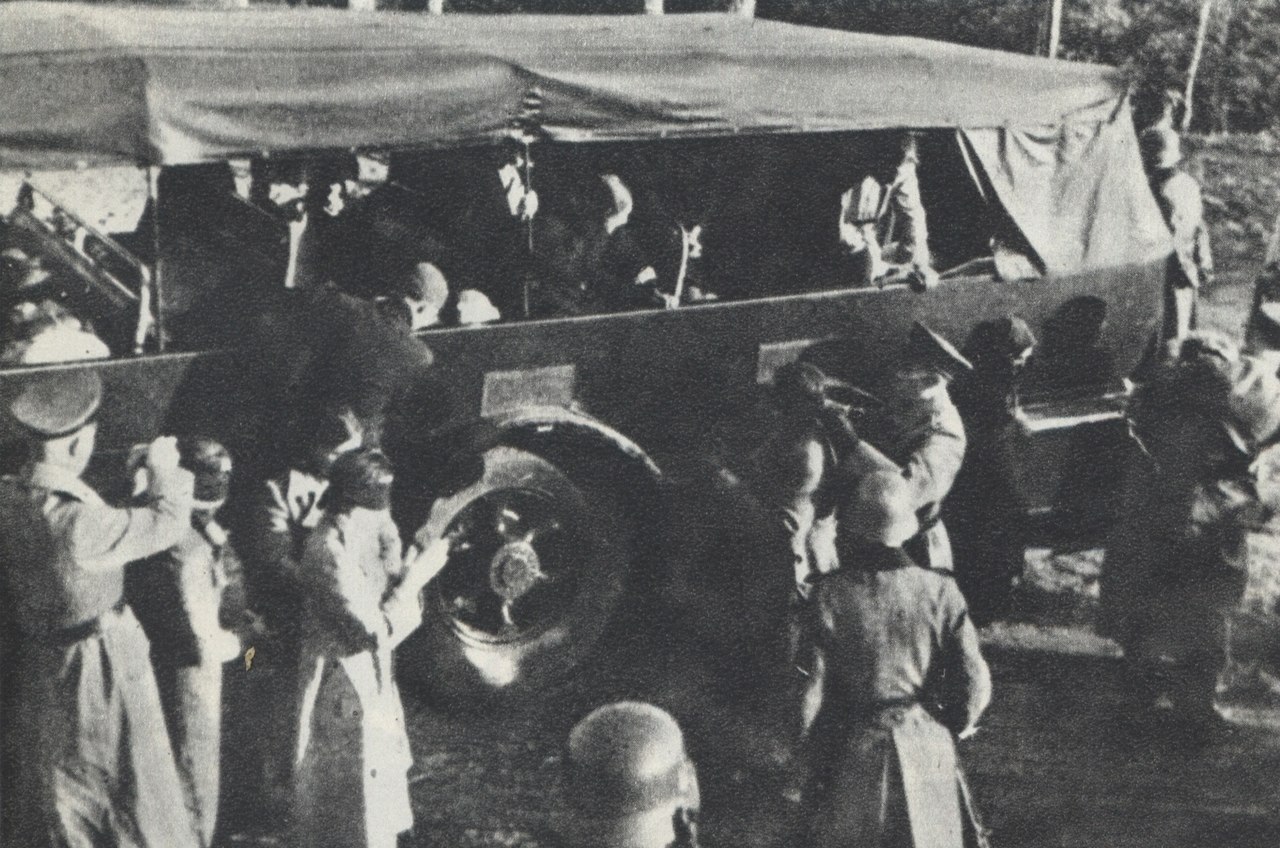
Within days the pact’s practical effect became apparent. Germany invaded Poland on 1 September 1939; the Soviet Red Army entered eastern Poland on 17 September 1939. Large numbers of Polish service members and civilians were captured, interned or displaced. Some prisoners were held by Soviet security services, including the NKVD, and exchanges of detainees between German and Soviet authorities occurred, demonstrating operational contact between the two regimes.
International reaction and the outbreak of wider war
Allied guarantees to Poland prompted declarations of war by France and the United Kingdom on Germany in early September 1939. While those declarations marked the formal start of the Second World War in Western Europe, immediate military support to Poland was limited, and the conflict quickly expanded beyond the initial combatants as other campaigns and occupations followed.
Breakdown and later developments
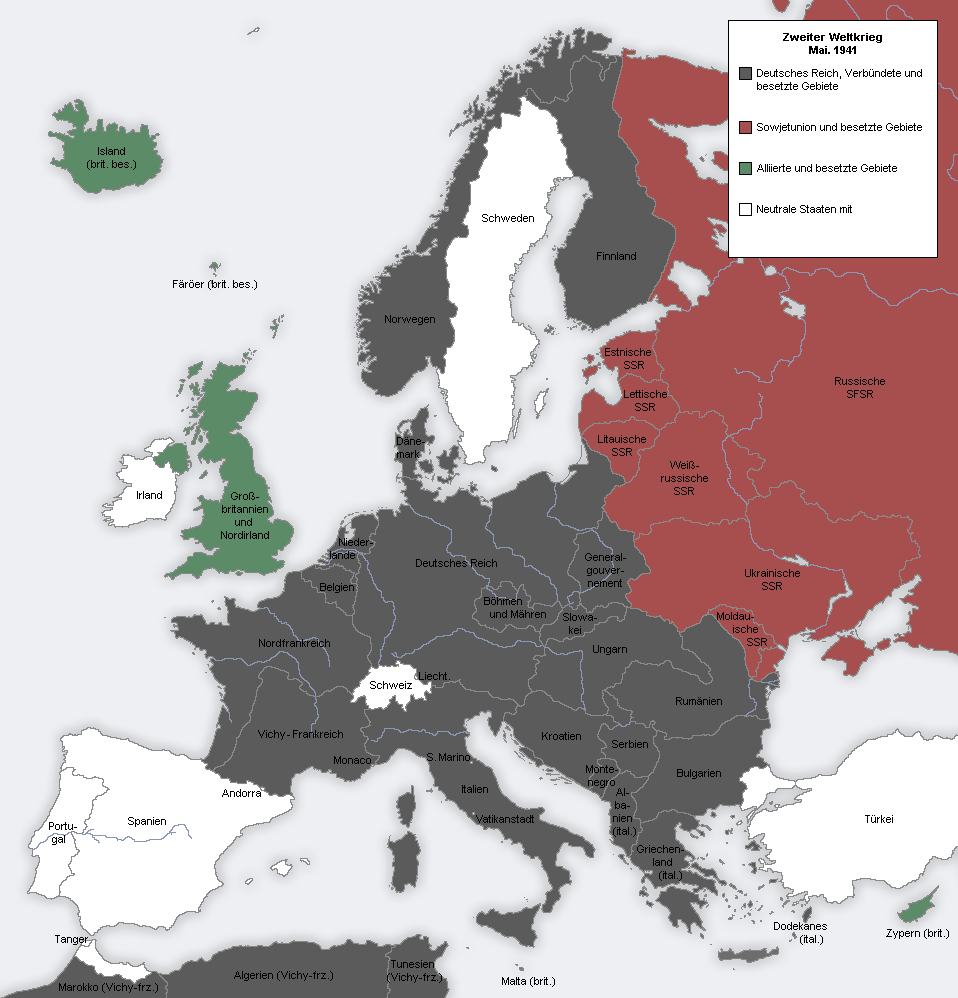
The pact lasted until it was broken by Germany in June 1941 when Adolf Hitler ordered an invasion of the Soviet Union. The violation—commonly dated to June 1941—came in the form of Operation Barbarossa, which opened the Eastern Front and transformed the Soviet Union from a reluctant partner into a principal Allied power fighting Nazi Germany. Afterward, the memory of the pact shaped wartime politics and the postwar settlement.
Consequences, controversies and legacy
- The pact facilitated the Soviet occupation and later annexation or control of parts of the Baltics and eastern borderlands, altering territorial arrangements in 1939–1940.
- Historians debate the motivations of both signatories; for the Soviet leadership it bought time and space, while Germany secured a free hand to attack the West.
- Evidence of cooperation—diplomatic contacts, prisoner transfers and coordinated military moves—has made the pact a focal point for discussions about culpability and the complex causes of World War II.
Today the Molotov–Ribbentrop Pact remains a prominent and controversial episode in twentieth‑century history. It illustrates how secret agreements, short‑term strategic calculations and diplomatic choices can have immediate and far‑reaching human and geopolitical consequences.
Questions and answers
Q: What was the Molotov-Ribbentrop Pact?
A: The Molotov-Ribbentrop Pact, also known as the Nazi-Soviet Pact, was an agreement between Vyacheslav Molotov (Stalin's Soviet foreign minister) and Joachim von Ribbentrop (Hitler's German foreign minister) signed on 23 August 1939. It promised that neither the Soviet Union nor Nazi Germany would attack each other.
Q: What did the secret part of the pact establish?
A: The secret part of the pact established spheres of interest in Eastern Europe and a border between both countries after they had invaded and divided Poland.
Q: When did Germany invade Poland?
A: Germany invaded Poland on 1 September 1939, only nine days after signing the Molotov-Ribbentrop Pact.
Q: How many Polish soldiers and policemen were captured by Soviet authorities?
A: About 250,000 to 454,700 Polish soldiers and policemen were captured and interned by Soviet authorities.
Q: When did France and Britain declare war on Germany?
A: France and Britain declared war on Germany on 3 September 1939 due to their promise to defend Poland if it was attacked.
Q: Who broke the pact in 1941? A: Hitler broke the pact in June 1941 by invading the Soviet Union in Operation Barbarossa.
Q: When did World War II end? A: World War II ended with a victory for the Soviets in 1945.
Related articles
Author
AlegsaOnline.com Molotov–Ribbentrop Pact (Nazi–Soviet Non‑Aggression Pact) Leandro Alegsa
URL: https://en.alegsaonline.com/art/65901
Sources
- wikidata.org : wikidata.org/wiki/Q130796
- d-nb.info : 4011957-9
- id.ndl.go.jp : 00577064
- aleph.nkp.cz : unn2007415075
- viaf.org : 217158755
- worldcat.org : 217158755