
Mongol invasions of Japan (1274 and 1281)
Two attempted invasions by Kublai Khan in 1274 and 1281—known in Japan as the Genkō—repelled by samurai resistance and severe storms, with lasting effects on medieval Japanese and East Asian history.
Overview
The Mongol invasions of Japan, commonly called the Genkō in Japanese, were two major expeditionary attempts by Kublai Khan to bring the Japanese islands under Yuan (Mongol) control in 1274 and 1281. Both campaigns ended in failure and have been remembered as pivotal events in Japanese history. Contemporary accounts and later scholarship treat these invasions as important for understanding the limits of Mongol naval power and the responses of a medieval island polity to external threat.
Unlike many Mongol conquests on the Asian continent, these efforts required large fleets and coordination with Korea (Goryeo), which the Yuan compelled to supply ships, crews and pilots. Kublai Khan’s strategic aim combined expansion of his new Chinese-based dynasty with pressure to submit Japan diplomatically; the invasions followed a series of diplomatic demands and rejections.
Image gallery
10 Images
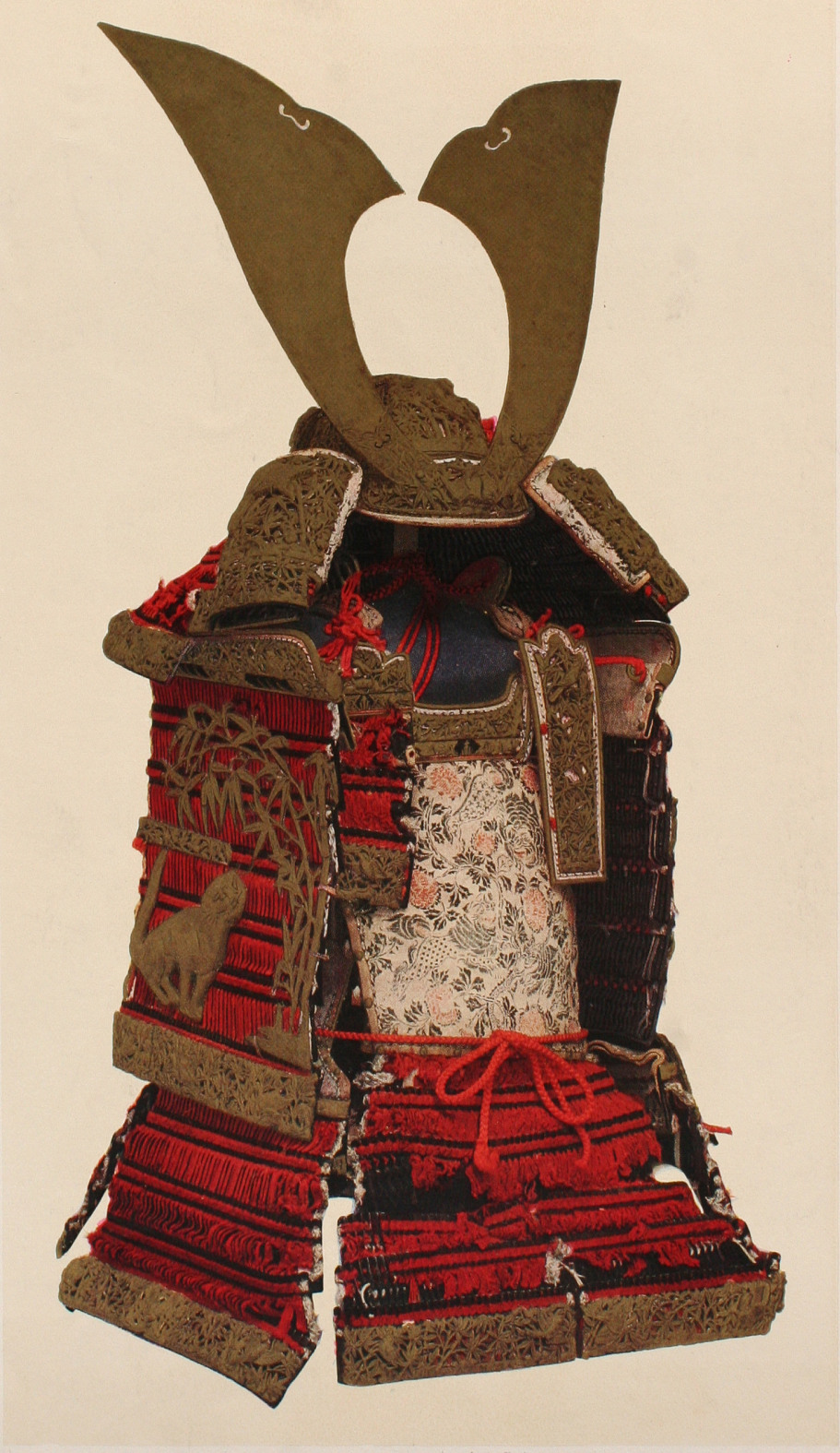


1274 and 1281: campaigns and tactics
The first expedition in 1274 involved a mixed army of Mongol, Chinese and Korean troops transported by ships. Attackers used tactics that emphasized coordinated infantry formations, massed archery and siege implements unfamiliar to most samurai, who fought in smaller, individualized bands. The initial landings produced fierce engagements around northern Kyushu before an early withdrawal.
The second invasion in 1281 was far larger and employed two separate fleets intended to join and overwhelm Japanese defenses. Anticipating further attacks, local rulers had reinforced coasts and organized samurai forces; the defenders relied on their knowledge of local terrain, coastal fortifications and hit-and-run engagements. Both campaigns were interrupted and ultimately thwarted by severe storms; later chroniclers coined the term "kamikaze" or "divine wind" to describe the typhoons that devastated the Mongol fleets, though historians emphasize a combination of weather, logistics and Japanese resistance.
Consequences and legacy
The failed invasions had multiple effects: they marked a halt to Yuan ambitions against Japan, strained Mongol logistical resources, and elevated the prestige of the samurai class within Japan even as many warriors expected rewards that did not arrive. The events influenced coastal defenses and informed Japanese political and cultural memory for centuries. Archaeological work, contemporary records from Japan, Korea and Yuan sources, and modern scholarship continue to refine understanding of troop composition, ship construction and the campaigns' chronology.
Key facts
- Dates: 1274 (first invasion) and 1281 (second invasion).
- Principal leader: Kublai Khan, ruler of the Yuan dynasty.
- Regional contribution: Goryeo (Korea) provided ships and manpower under Yuan pressure.
- Outcome: Both invasions failed; severe storms played a major role alongside Japanese resistance.
- Further reading: see military studies of the campaigns and primary chronicles on military events.
Because many details—such as exact force sizes and ship numbers—are debated, accounts emphasize the combination of environmental, logistical and tactical factors that together explain why the two Yuan expeditions did not secure Japan.
Questions and answers
Q: What were the Mongol invasions of Japan?
A: The Mongol invasions of Japan (元寇, Genkō) in 1274 and in 1281 were major military events in Japanese history.
Q: Who was trying to conquer Japan during the invasions?
A: Kublai Khan, the Mongol emperor, tried to conquer the Japanese islands.
Q: Were the Mongol invasions successful?
A: No, both invasion attempts failed.
Q: Why were the two failed invasion attempts important for Japanese history?
A: The attempts were defining events in Japanese history.
Q: What do the failed invasions show about the limits of Mongol expansion?
A: The attempts show the limits of Mongol (Yuan Dynasty) ability to expand the Chinese empire.
Q: When did the two Mongol invasions of Japan take place?
A: The first invasion attempt took place in 1274 and the second in 1281.
Q: How many times did Kublai Khan attempt to conquer Japan?
A: Kublai Khan attempted to conquer Japan twice.
Related articles
Author
AlegsaOnline.com Mongol invasions of Japan (1274 and 1281) Leandro Alegsa
URL: https://en.alegsaonline.com/art/66039
Sources
- books.google.com : "Genkō"
- thenagain.info : "Early Japan: 552-1281"
- history.cultural-china.com : "Mongol invasions of Japan - Major Military Invasions Undertaken by Kublai Khan"
- books.google.com : 100 decisive battles: from ancient times to the present, p. 147.
- books.google.com : Genghis Khan & the Mongol Conquests 1190–1400, p. 66.
- books.google.com : "Bun'ei no eki"
- books.google.com : "Kōan no Eki"
- books.google.com : p. 146