
Moldoveanu Peak — Romania’s Highest Mountain
Moldoveanu Peak (Vârful Moldoveanu) is Romania’s highest summit (about 2,544 m), in the Făgăraș Mountains of the Southern Carpathians. Routes, terrain, access points and visitor guidance are summarized here.
Overview
Moldoveanu Peak, known in Romanian as Vârful Moldoveanu, is the highest point in Romania, rising to about 2,544 metres above sea level. It occupies a central position on the sharp, high crest of the Făgăraș Mountains, a major range of the Southern Carpathians. From the summit there are broad views across Transylvania to the north and the lower plateaus of Wallachia to the south on clear days.
Image gallery
3 Images

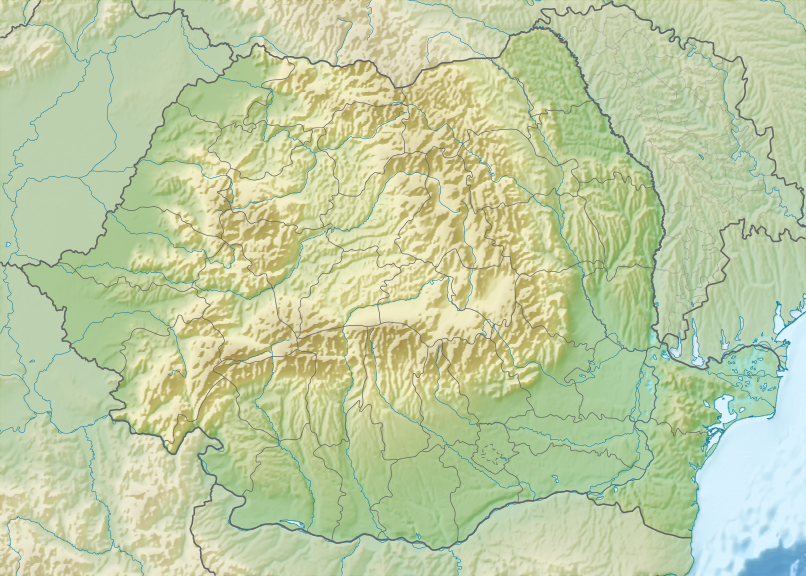
Geography and landscape
The Făgăraș massif features a long, narrow main ridge with steep flanks, rocky tops and numerous glacially carved cirques and small tarns. Moldoveanu stands close to other high points, in particular Vistea Mare, with which it is linked by exposed ridgelines and saddles. High-altitude vegetation is limited to alpine grasses and hardy flowering plants; wildlife typical of the Carpathians, such as chamois and birds of prey, may be encountered.
Routes and access
Standard approaches to Moldoveanu are well established but demanding. The most used routes include ascents via the Podragu area and Podragu Hut, the Sâmbăta (Sâmbăta de Sus) valley, and the Vistea ridge. Many hikers reach Moldoveanu by first summiting Vistea Mare and following the connecting crest. Trailheads and services are available from towns such as Câmpulung to the south and Victoria to the north.
- From the north: approaches from Podragu and Victoria, often using established huts and marked trails.
- From the east and west: longer ridge walks that join the main crest at high col points.
- From the south: valleys rising from the Câmpulung area provide access but involve long elevation gain.
Difficulty and season
On the usual routes Moldoveanu is primarily a strenuous hike rather than a technical climb, but it requires good fitness, route-finding ability and mountain experience. Weather can change quickly; snow and patches of ice may remain well into the summer on shady aspects. The main season for most hikers is July through September, when trails are most often clear and huts are staffed, but shoulder seasons demand winter equipment and avalanche awareness.
Facilities, safety and conservation
Mountain huts, marked trails and occasional refuges support multi-day approaches; visitors should consult local maps, guidebooks and the regional mountain rescue authorities before attempting a route. Respect for fragile alpine vegetation, proper waste disposal and adherence to local regulations help preserve the high-mountain environment. Planning, appropriate clothing, water, food and a means of navigation are essential for safety.
History and cultural notes
As Romania's highest summit, Moldoveanu has symbolic value for hikers and is a frequent objective for mountaineers exploring the Carpathians. The surrounding landscape contains traditional pastoral areas and historical routes that have linked villages on either side of the range for generations. For up-to-date route descriptions, maps and practical advice consult local guide resources and official trail information provided by hiking associations and rescue services (Romanian name, Făgăraș range, Carpathian context).
Related articles
Author
AlegsaOnline.com Moldoveanu Peak — Romania’s Highest Mountain Leandro Alegsa
URL: https://en.alegsaonline.com/art/65849