
Monoamine oxidase inhibitor (MAOI)
Monoamine oxidase inhibitors are antidepressant and neuropsychiatric agents that block MAO enzymes, used for certain depressions, Parkinson disease, and other indications; they require dietary and drug precautions.
Monoamine oxidase inhibitors (MAOIs) are a class of medications that reduce the activity of monoamine oxidase enzymes in the body. By limiting breakdown of neurotransmitters such as serotonin, norepinephrine and dopamine, MAOIs raise their levels and can relieve depressive and other neuropsychiatric symptoms. A related group, reversible inhibitors of monoamine oxidase A (RIMAs), act in a similar but more transient and reversible way. MAOIs are recognized as effective antidepressant treatments and are sometimes used when other therapies have not worked; they have demonstrated particular benefit in atypical depressive presentations (atypical depression) and in some neurological conditions such as Parkinson's disease.
Image gallery
3 Images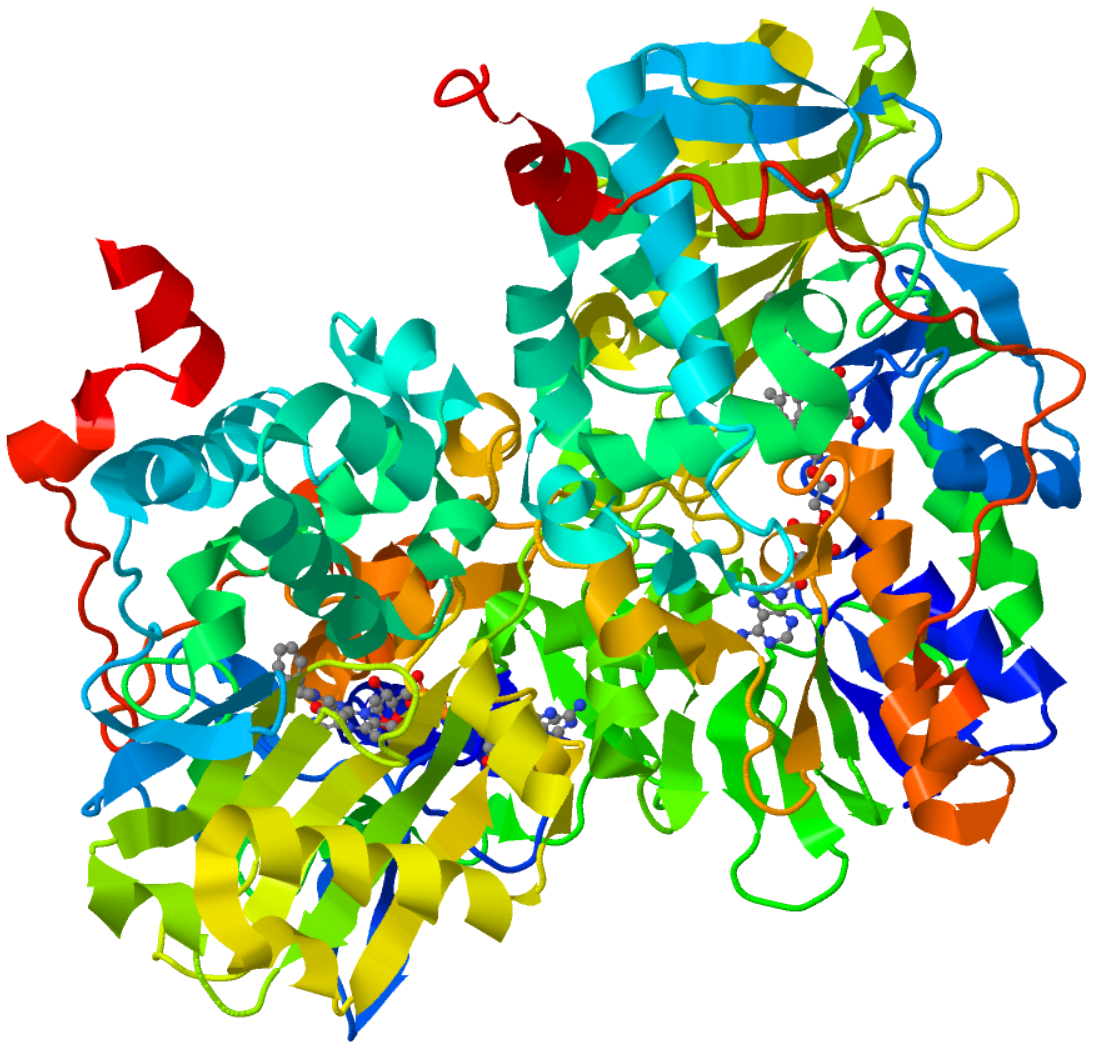

How they work and major subtypes
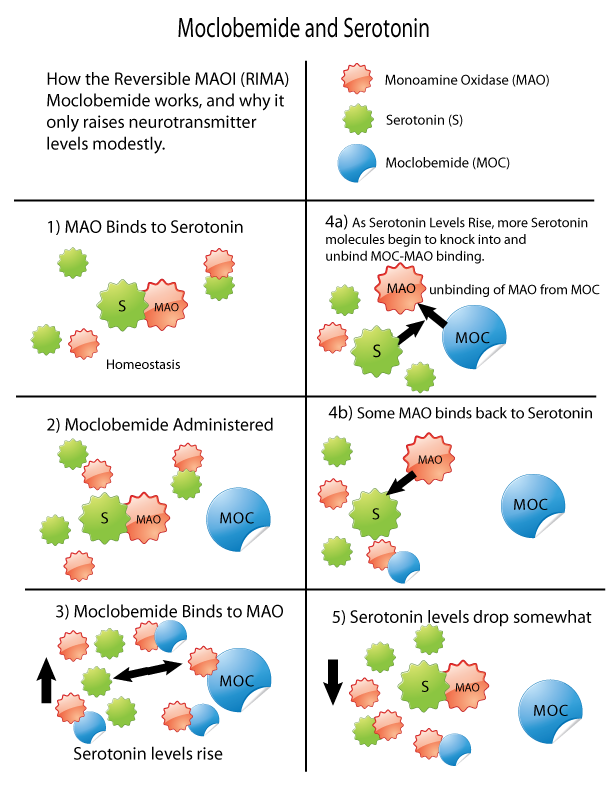
Monoamine oxidase exists in two main forms, MAO-A and MAO-B. Drugs that inhibit MAO-A tend to increase serotonin and norepinephrine, while MAO-B inhibition preferentially affects dopamine. Older MAOIs are usually irreversible and non-selective, blocking both isoenzymes for an extended period. Newer agents include selective MAO-B inhibitors and reversible MAO-A inhibitors (RIMAs). The pharmacologic distinction has practical consequences for safety and dietary restrictions.
Clinical uses and examples
- Depression, especially treatment-resistant and certain atypical forms.
- Parkinsonian syndromes (selective MAO-B inhibitors can reduce motor symptoms).
- Anxiety disorders and social phobia in some patients.
- Smoking cessation has been studied with some MAOIs showing potential to aid quitting.
Common examples of MAOI-class agents include phenelzine and tranylcypromine (older, irreversible, non-selective), selegiline (selective MAO-B at low doses), and moclobemide (a RIMA). Newer delivery forms, such as transdermal patches for selegiline, were developed to reduce some dietary interactions.
Risks, interactions and precautions
MAOIs can interact dangerously with certain foods and many medications. Tyramine-rich foods (aged cheeses, cured meats, some fermented items) may trigger severe hypertensive reactions when MAO-A is inhibited — a phenomenon historically called the "cheese effect." Concomitant use with serotonergic drugs (for example SSRIs, certain analgesics, or stimulants) can precipitate serotonin syndrome, a potentially life-threatening condition. Because of these concerns, clinicians often reserve MAOIs for patients who have not responded to other treatments and enforce washout periods when switching antidepressants.
Adverse effects, overdose and safety considerations
Side effects can include orthostatic hypotension, sleep disturbance, weight changes, and sexual dysfunction. Older MAOIs were associated with higher toxicity in overdose, and fatal outcomes have been reported; this historical risk influenced prescribing patterns. Safer alternatives and careful monitoring improved their risk profile: for example, some evidence suggests that agents such as selegiline and moclobemide carry lower overdose and interaction risks. Nevertheless, patients and prescribers must remain vigilant about the potential for harm if dosing is excessive or contraindicated substances are combined (overdose risks). Reports and alerts about serious adverse events continue to inform clinical practice (safety notices).
History and modern role
MAOIs were among the first modern antidepressants discovered in the mid-20th century and were derived from observations made while treating other illnesses. Their discovery changed ideas about biological treatments for mood disorders, but widespread adoption was later limited by safety concerns and the availability of drugs with more favorable side-effect profiles. Today, MAOIs remain a valuable option in specific clinical scenarios, prescribed by informed clinicians (physicians) who evaluate benefits and risks and provide guidance on diet, medication interactions and monitoring.
Practical considerations
- Discuss dietary restrictions and provide written guidance about tyramine-containing foods.
- Review all prescription, over-the-counter and herbal products to avoid dangerous interactions such as with serotonergic agents (anxiety disorder treatments may overlap).
- Plan appropriate washout intervals when switching antidepressants; longer gaps are advisable for drugs with long half-lives.
- Educate patients about symptoms of hypertensive crisis and serotonin syndrome and when to seek urgent care.
For further general information and summaries of indications, risks and guidance, see clinical resources and treatment guidelines (smoking cessation research also discusses MAOIs in that context). Clinicians balance efficacy and safety when choosing MAOIs, and these agents continue to have an important, if specialized, role in modern psychopharmacology.
Antidepressant overview • Atypical depression • Parkinson's disease resources • Anxiety disorder guidance • Smoking cessation studies • Safety notices • Overdose information • Safer MAOI alternatives • Prescribing considerations
Questions and answers
Q: What are MAOIs and RIMAs?
A: MAOIs and RIMAs are types of antidepressant drugs used to treat depression that are good at treating atypical depression, Parkinson's disease, anxiety disorders, and social phobia.
Q: What are MAOIs good at treating?
A: MAOIs are good at treating atypical depression, Parkinson's disease, anxiety disorders, and social phobia.
Q: When are MAOIs usually given?
A: MAOIs are usually only given when other antidepressant drugs have failed.
Q: Why are newer drugs such as selegiline and moclobemide prescribed by physicians in the first instance?
A: Newer drugs such as selegiline and moclobemide are prescribed by physicians in the first instance because they have proven to be safer than the older MAOIs.
Q: Can MAOIs drugs be fatal if someone takes too much?
A: Yes, MAOIs drugs can be fatal if someone takes too much.
Q: What can MAOIs help people to do?
A: MAOIs have shown to help people to stop smoking tobacco.
Q: What are some examples of newer drugs that have proven to be safer than the older MAOIs?
A: Some examples of newer drugs that have proven to be safer than the older MAOIs include selegiline and moclobemide.
Related articles
Author
AlegsaOnline.com Monoamine oxidase inhibitor (MAOI) Leandro Alegsa
URL: https://en.alegsaonline.com/art/66092
Sources
- springerlink.com : springerlink.com