
Assembly of Experts: Iran's Council of Islamic Jurists Responsible for the Supreme Leader
An elected body of Islamic jurists in Iran charged by the constitution with selecting, supervising and potentially dismissing the Supreme Leader; elected by popular vote with vetted candidates.
Overview
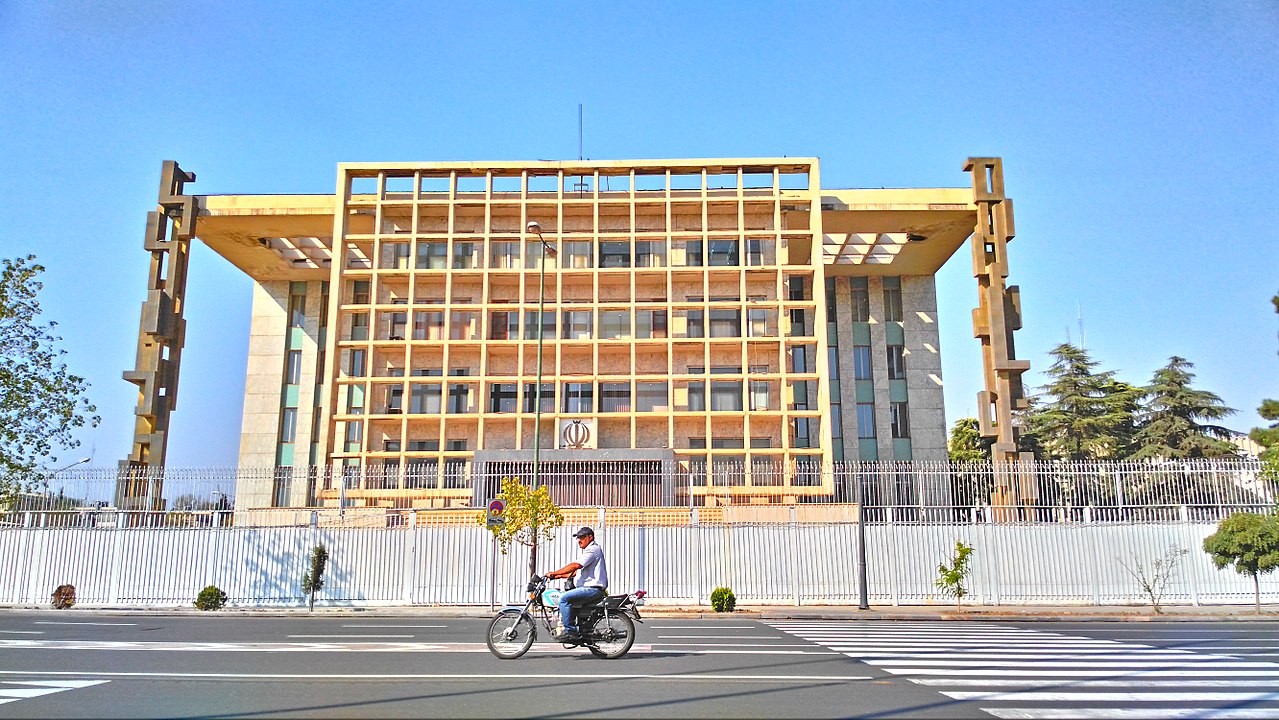
The Assembly of Experts is a deliberative council of Islamic jurists established after the 1979 Iranian Revolution and defined by the Islamic Republic's constitution. Its principal constitutional responsibilities are to nominate, supervise and, if necessary, dismiss the country's Supreme Leader. Members are clergy qualified in Islamic jurisprudence and meet periodically to consider the leader's fitness for office.
Image gallery
4 Images


Membership and elections
Members of the Assembly are chosen in nationwide elections by popular vote, but candidates must satisfy religious and political qualifications set by oversight bodies. Terms are multi-year, and the body is renewed by election at regular intervals. Because candidates undergo pre-election vetting, the composition reflects both electoral input and institutional screening.
Powers and procedures
The Assembly's duties, as articulated in the constitution, include:
- Selecting the Supreme Leader when the position becomes vacant;
- Monitoring the Leader's conduct and competence;
- Issuing a declaration of dismissal if the Leader is judged unable to fulfill duties.
In practice, sessions to evaluate the Leader are not typically public, and the body meets in plenary meetings to discuss matters of leadership and succession.
History and notable moments
Formed in the aftermath of Iran's revolution, the Assembly has played a central role at key constitutional moments, most notably in the selection of a successor to the founding Leader. Its activity has evolved with Iran's political institutions and with debate about the balance of religious and popular legitimacy.
Significance and debates
The Assembly is unique as a constitutionally empowered clerical body with authority over the highest state office. Supporters view it as a safeguard of religious oversight, while critics point to limited transparency and the influence of candidate vetting on independence. The Assembly's work shapes long-term leadership and institutional stability in Iran.
Further context
Understanding the Assembly of Experts requires attention to Iran's broader constitutional framework, electoral mechanisms and the interplay between religious authority and republican institutions. For additional structural details and contemporary discussions, consult sources that specialize in Iranian constitutional law and politics.
Related articles
Author
AlegsaOnline.com Assembly of Experts: Iran's Council of Islamic Jurists Responsible for the Supreme Leader Leandro Alegsa
URL: https://en.alegsaonline.com/art/6724