
Assembly of Kosovo
The unicameral legislature of Kosovo, created under UN administration to provide representative government. It enacts laws, oversees the executive and reserves seats to ensure minority representation.
Overview
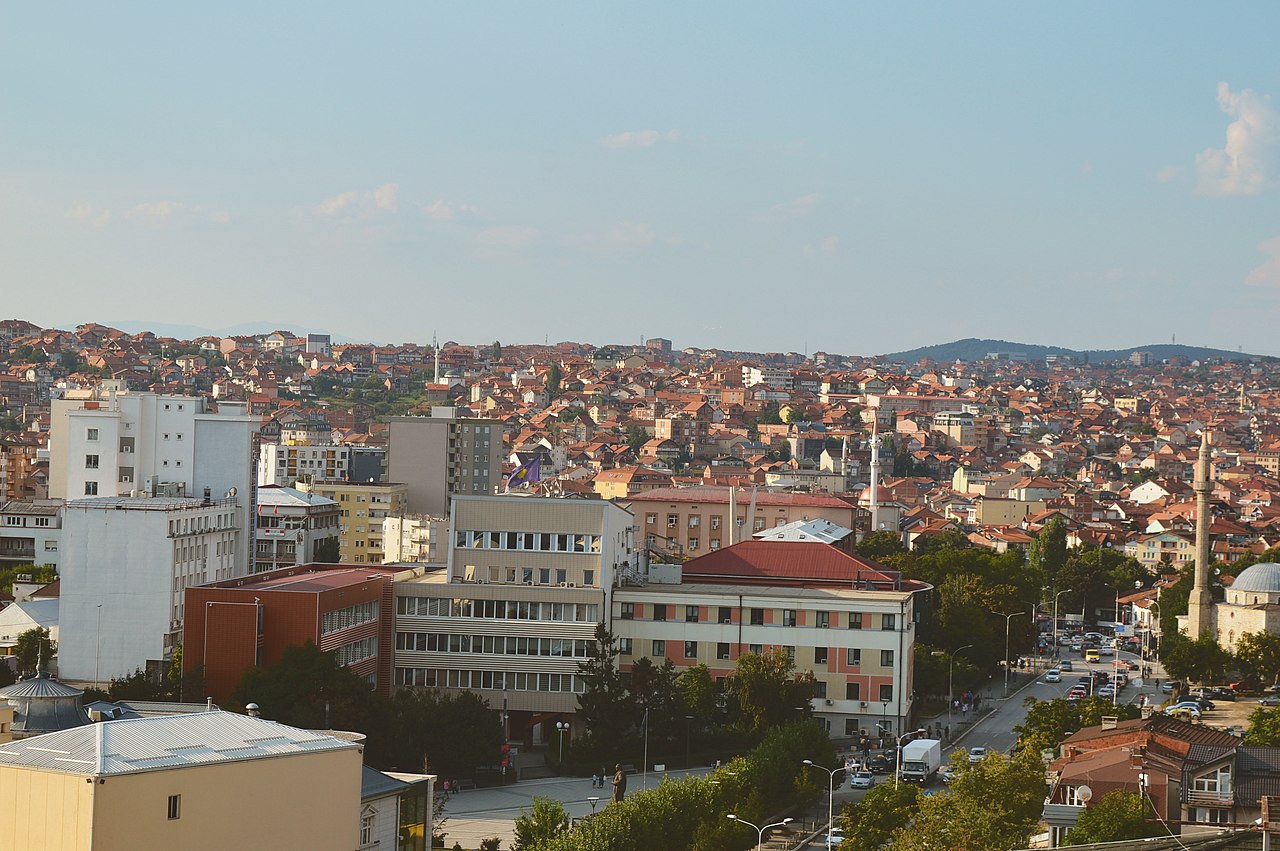
The Assembly of Kosovo is the territory's unicameral legislative body, commonly referenced in Serbian as Скупштина Косова. Established during the period of United Nations administration, the Assembly was designed to provide a framework for democratic self-government and public representation within Kosovo. It sits in the capital, Pristina, and operates in multiple official languages to reflect the territory's diverse population.
Image gallery
7 Images



Composition and electoral system
The Assembly is made up of elected deputies who serve fixed terms. Members are chosen through a system of proportional representation intended to reflect party support across the electorate. A number of seats are set aside to guarantee representation of minority communities, including those who identify as Serbian and other non-majority groups.
Powers and functions
The Assembly performs the core legislative and oversight roles typical of a parliament. Its principal responsibilities include:
- drafting, debating and passing laws and amendments;
- approving the national budget and financial oversight;
- electing the president and confirming the government or holding it to account;
- ratifying international agreements and supervising implementation of major policies;
- operating committees that examine specific sectors and provide scrutiny of executive action.
History and political context
The Assembly traces its immediate origins to institutions created under the United Nations administration in Kosovo, which aimed to establish provisional self-government after the 1999 conflict. Over time the body's role evolved as Kosovo declared independence and developed its own institutions. The Assembly's authority and decisions exist within a complex regional and international context: while many states recognize Kosovo's institutions, others do not, and the legislature's work is often discussed alongside international mediation efforts and intergovernmental dialogue.
Notable features and current relevance
Distinctive aspects of the Assembly include legal mechanisms to protect minority participation and the multilingual conduct of official business. It is pivotal to domestic governance, shaping policy, confirming governments, and representing Kosovo in interactions that touch on sovereignty, regional cooperation and European integration. For background on the institution itself, its legal framework and international origins see institutional materials and the United Nations-related documents referenced by authorities: institution, territory, Kosovo and United Nations.
Further reading and official publications provide details on current membership, standing committees, legislative procedures and election outcomes maintained by the Assembly and international observers.
Related articles
Author
AlegsaOnline.com Assembly of Kosovo Leandro Alegsa
URL: https://en.alegsaonline.com/art/6725