
Lexington, Massachusetts
Lexington, Massachusetts — a historic suburban community northwest of Boston known for the opening clash of the American Revolution, preserved 18th‑century sites, parks, strong schools, and civic life.
Lexington is a suburban town in the U.S. Commonwealth of Massachusetts, located to the northwest of Boston. Its population in the 2010 census was 31,394. Lexington combines an active residential community with a well‑preserved historical identity rooted in the events that helped trigger the American Revolution.
Image gallery
10 Images


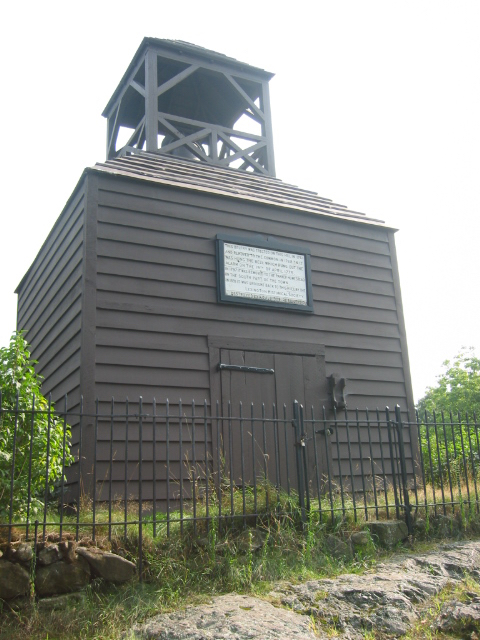

Historical significance
The town is best known for the opening confrontations of the American Revolutionary War. On April 19, 1775, the Battle of Lexington occurred on the town common when colonial militia met British regulars. That skirmish, and the nearby fighting at Concord, are remembered as the outbreak of armed conflict between Britain and its American colonies. Many historic houses and markers in Lexington interpret these events for visitors.
Landmarks and preservation
Lexington has several preserved sites and public spaces that attract visitors and support local identity. Prominent places include:
- Lexington Green, the traditional village common and site of the first shots.
- Hancock‑Clarke House and other 18th‑century homes now cared for as historic properties.
- Segments of the Minute Man National Historical Park that interpret the April 1775 marches and battles.
- Museums, walking trails, and plaques that explain local history and colonial‑era life.
Local efforts emphasize historic preservation alongside contemporary neighborhood needs, so many historic buildings are maintained while new development is controlled to protect character.
Community, schools and economy
Today Lexington functions as a residential suburb with a strong public school system, active civic organizations, and amenities for families. The town has a mix of small businesses, professional services, and commuter links to the greater Boston area. Residents often cite the quality of education, parks, and community programs as core strengths.
Although commonly referenced for its Revolutionary War role, Lexington is also notable as a living community where historical memory, suburban life, and modern services coexist. Visitors typically combine history tours with walks on the Green, visits to museums, and exploration of local shops and restaurants.
Related articles
Author
AlegsaOnline.com Lexington, Massachusetts Leandro Alegsa
URL: https://en.alegsaonline.com/art/57626