
Model 1857 12‑Pounder Napoleon Field Gun
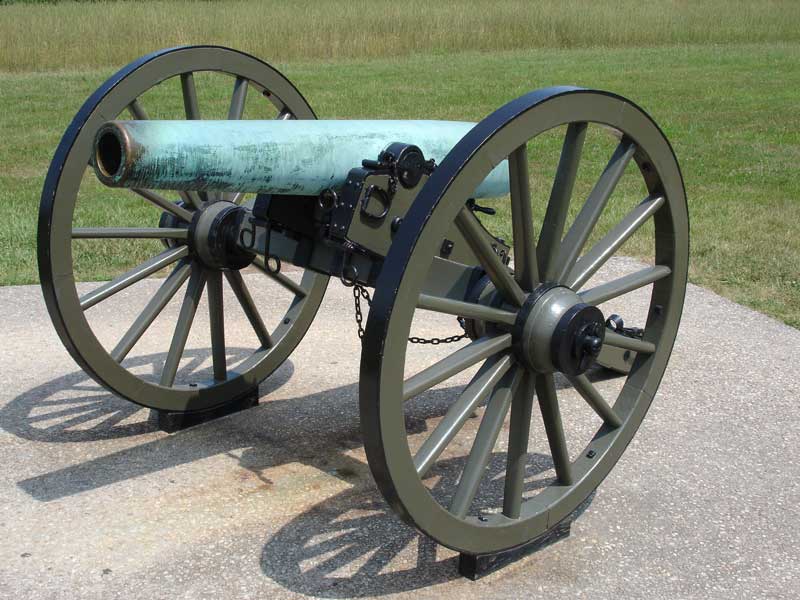
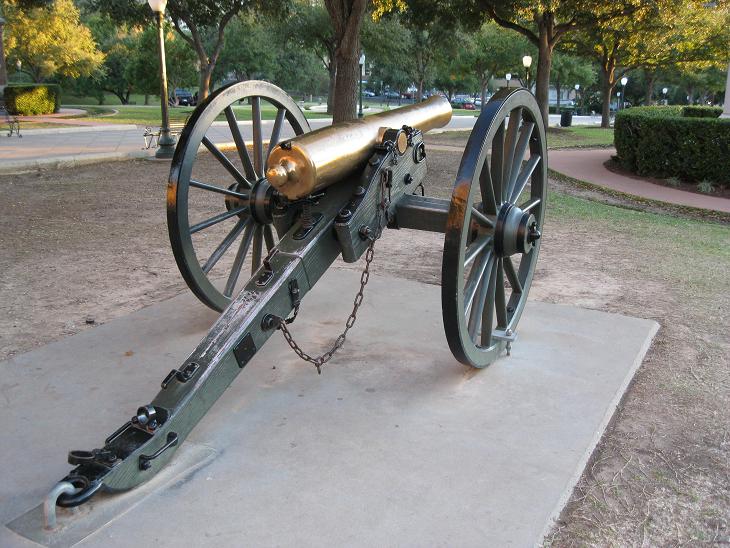
Mid‑19th‑century bronze, muzzle‑loading smoothbore field gun (officially the light 12‑pounder), widely used in the American Civil War for its versatility, reliability, and short‑ to medium‑range effectiveness.
Overview
The Model 1857 12‑pounder, commonly called the "Napoleon," was the United States Army's standard light 12‑pounder field gun in the mid‑19th century. Cast in bronze as a muzzle‑loading smoothbore, it became the most widely used artillery piece of the American Civil War because of its balance of reliability, manageable weight for horse‑drawn field service, and ability to fire several types of ammunition effectively. The gun is often treated as the archetype of Civil War field artillery and is displayed in many battlefield parks and collections.
Image gallery
8 Images


Designation and name
In official records the weapon was listed as the light 12‑pounder, but the informal name "Napoleon" was widely adopted by soldiers and later historians. The epithet honors the French ruler whose era coincided with artillery developments that influenced European and American practice; the link below gives context on contemporary smoothbore practice at smoothbore artillery and on general field pieces at field cannon.
Design and construction
The Napoleon was a bronze, single‑piece carriage‑mounted gun designed for mobility and durability in the field. Bronze construction made the barrel resilient to the stress of repeated firing and less likely to burst than some cast‑iron pieces of the period. The simple, robust design eased production in national arsenals and private foundries and simplified repair and maintenance under campaign conditions.
Ammunition and performance
Part of the Napoleon's appeal was its versatility. It could fire solid shot, explosive shell, spherical case (shrapnel), and canister. Solid shot and shell were used at longer ranges or against field fortifications, while spherical case and canister were employed against troops at closer ranges. The smoothbore design limited long‑range accuracy compared with rifled guns, but at the ranges where most Civil War artillery fought its effects were decisive.
Crew, operation and tactics
The piece was served by a trained gun crew who handled ammunition, tamping, aiming, and firing. Typical tactical use paired Napoleons with infantry formations to provide direct support, to repel assaults, and to break concentrations of enemy troops. Commanders favored the gun for its quick rate of fire under coordinated control and for the brutal effectiveness of canister at short distances during defensive actions.
Service history and legacy
Introduced into American arsenals in the late 1850s, the Model 1857 saw service with both Union and Confederate forces and gradually replaced a variety of older field pieces as armies standardized their batteries. While rifled artillery later altered battlefield dynamics by extending effective range and accuracy, the Napoleon remained valued for close‑range lethality and dependable service throughout the war. It endures in public memory and study as a central example of Civil War artillery practice and technology.
Further reading and resources
- Context on the war and artillery employment at American Civil War.
- Historical notes on the name and French influences at Napoleon and biographical context at Napoleon III.
- General period military organization and ranks discussed at emperor.
Questions and answers
Q: What is the Model 1857 12-Pounder Napoleon Field Gun?
A: It is a smoothbore cannon that was used during the American Civil War.
Q: What was the official name given to this gun by the United States Army?
A: It was called the "light 12-pounder gun".
Q: Who was the cannon named after?
A: It was named after French president and emperor, Napoleon III.
Q: What was Napoleon III's relation to Napoleon Bonaparte?
A: Napoleon III was the nephew of Napoleon Bonaparte.
Q: Was the Model 1857 12-Pounder Napoleon Field Gun popular during the American Civil War?
A: Yes, it was the most popular smoothbore cannon used during the American Civil War.
Q: What was the weight of the Model 1857 12-Pounder Napoleon Field Gun?
A: The gun weighed 1,227.5 kilograms or 2,705 pounds.
Q: What is the significance of the Model 1857 12-Pounder Napoleon Field Gun's name?
A: The gun was named after a famous French emperor, which could have added to its prestige during the Civil War.
Related articles
Author
AlegsaOnline.com Model 1857 12‑Pounder Napoleon Field Gun Leandro Alegsa
URL: https://en.alegsaonline.com/art/65695
Sources
- steencannons.com : "U.S. Model 1857 12-Pounder Napoleon"
- onwar.com : "Canon Obusier de 12"
- historynet.com : "12-Pounder Napoléon: A French Cannon in the 'Civil' Service"
- militaryfactory.com : "Model 1857 12-Pounder Napoleon Towed Field Gun (1857)"
- civilwarartillery.com : "Civil War Cannon"
- civilwaracademy.com : "Civil War Artillery"
- goordnance.army.mil : "Artillery"