
Mosin–Nagant: Russian bolt-action military rifle and its major variants
A concise overview of the Mosin–Nagant rifle: design, development, service history, major variants, ammunition, and its legacy as the most-produced bolt-action service rifle.

The Mosin–Nagant is a family of bolt-action military rifles developed for the Russian Empire in the late 19th century and later produced and widely issued by the Soviet Union. Adopted in 1891, the basic design remained in frontline use through the Russo-Japanese War, World War I and World War II. Produced in very large numbers—commonly cited totals exceed 37 million—the Mosin–Nagant became the most manufactured bolt‑action service rifle in history and continued to serve with many forces after World War II.
Image gallery
2 Images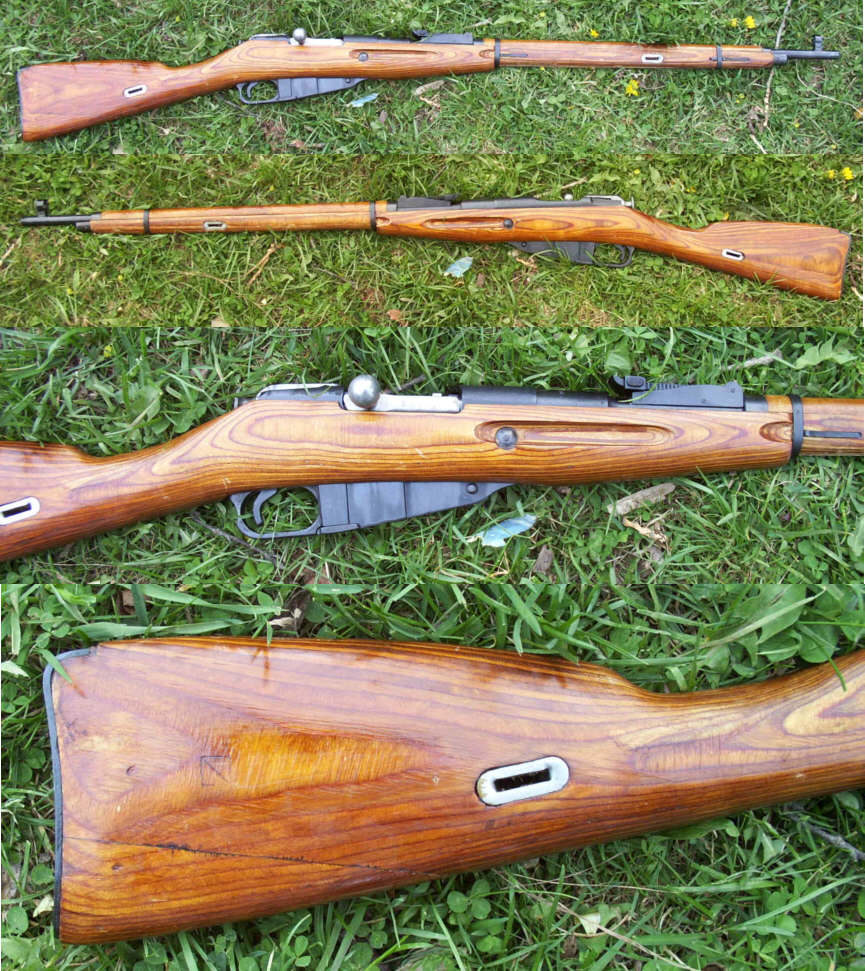

Design and technical characteristics
The Mosin–Nagant is a conventional, manually operated bolt-action rifle with a fixed, internal magazine. Key characteristics include a five-round magazine loaded from a stripper clip, a long two-lug bolt, and chambering for the rimmed 7.62×54mmR cartridge. Its simple, rugged construction emphasized durability and ease of maintenance in harsh conditions.
- Action: bolt-action, two locking lugs with a cock-on-open design.
- Magazine: internal, 5-round capacity loaded by stripper clip.
- Cartridge: 7.62×54mmR, a rimmed round still used in some machine guns and sniper rifles.
- Bayonet: many service versions were issued with blade or socket bayonets integrated for infantry use.
Major variants and adaptations
Over decades of production the basic M1891 design was modified into several widely known variants. Notable types include the M91 original infantry rifle, the modernized M91/30 (the most common wartime model), shorter carbine variants such as the M38 and the folding-stock M44 carbine with attached bayonet, and specialized sniper conversions fitted with optics and finer barrels. Field repairs, factory refurbishments and wartime production differences resulted in a range of finish and fitment across examples.
Service history and global use
The Mosin–Nagant entered service at a time when many nations were adopting metallic cartridges and repeating bolt rifles. Its long service life included major early 20th‑century conflicts and mass issue to Soviet troops in World War II. After the war it was gradually replaced in Soviet service by semi‑automatic designs such as the SKS, but it remained in use among many of the USSR's allies during the Cold War and continues to appear with several smaller militaries and reserve forces worldwide.
Uses, cultural role and collecting
Surplus examples became widely available to civilian shooters after mid‑20th century drawdowns because of their low cost and historical appeal. The Mosin–Nagant has been used both as a general infantry weapon and as a basis for sniper conversions; famous wartime snipers such as Vasily Zaytsev used scoped Mosin rifles to notable effect, contributing to the platform's association with expert snipers. Collectors and shooters value original markings, matching components, barrel condition and unaltered stocks. Practical considerations for modern users include the rimmed cartridge's feeding characteristics, availability of ammunition, and the variable accuracy of different production batches and refurbishments.
Legacy and notable facts
The Mosin–Nagant's combination of durability, mass production and historical significance gives it a prominent place in firearms history. It illustrates late 19th‑century military thinking—robust, simple infantry weapons suited to mass conscript armies—and its long service life demonstrates how well‑executed basic designs can remain relevant. For further reading on bolt‑action rifles and historical context, consult specialized references and archived military manuals on rifles and period accounts of the World War I and World War II.
Questions and answers
Q: What is the Mosin-Nagant?
A: The Mosin-Nagant is a series of bolt-action rifles.
Q: Which countries used the Mosin-Nagant as their main rifle during wars?
A: The Russian Empire and later the Soviet Union used the Mosin-Nagant as their main rifle during the Russo-Japanese War, World War I and World War II.
Q: What rifle replaced the Mosin-Nagant after World War II?
A: The SKS rifle replaced the Mosin-Nagant after World War II.
Q: Was the Mosin-Nagant commonly used by the USSR’s allies during the Cold War?
A: Yes, the Mosin-Nagant was commonly used by the USSR’s allies during the Cold War.
Q: Is the Mosin-Nagant still used by some smaller militaries today?
A: Yes, the Mosin-Nagant is still used today by some smaller militaries.
Q: What is the capacity of the Mosin-Nagant?
A: The Mosin-Nagant holds up to five 7.62 x 54mmR bullets.
Q: Who was Vasily Zaytsev and what was his connection to the Mosin-Nagant?
A: Vasily Zaytsev was a Soviet World War II sniper and one of the deadliest snipers of all time. He used the Mosin-Nagant rifle during his military service.
Related articles
Author
AlegsaOnline.com Mosin–Nagant: Russian bolt-action military rifle and its major variants Leandro Alegsa
URL: https://en.alegsaonline.com/art/66850