
Bangui — capital and largest city of the Central African Republic
Bangui is the capital and principal city of the Central African Republic, located on the Ubangi River. It is the country's administrative, economic and cultural center and home to over half a million people.
Overview
Bangui is the capital city of the Central African Republic and the nation's largest urban area. Situated on the northern bank of the Ubangi River, it functions as the country's primary political, economic and transportation hub. The city is home to an urban population reported at about 531,763 residents and serves much of the surrounding western regions, where a large share of the country's population is concentrated.
Image gallery
10 Images



History and development
Founded during the French colonial era in the late 19th century, Bangui became the colonial administrative center for the region and retained its status after independence in 1960. Over the 20th century the town expanded from a riverside post into a capital with government institutions, markets and residential neighborhoods. Political upheavals and periodic unrest since independence have affected the city's growth and infrastructure.
Characteristics and infrastructure
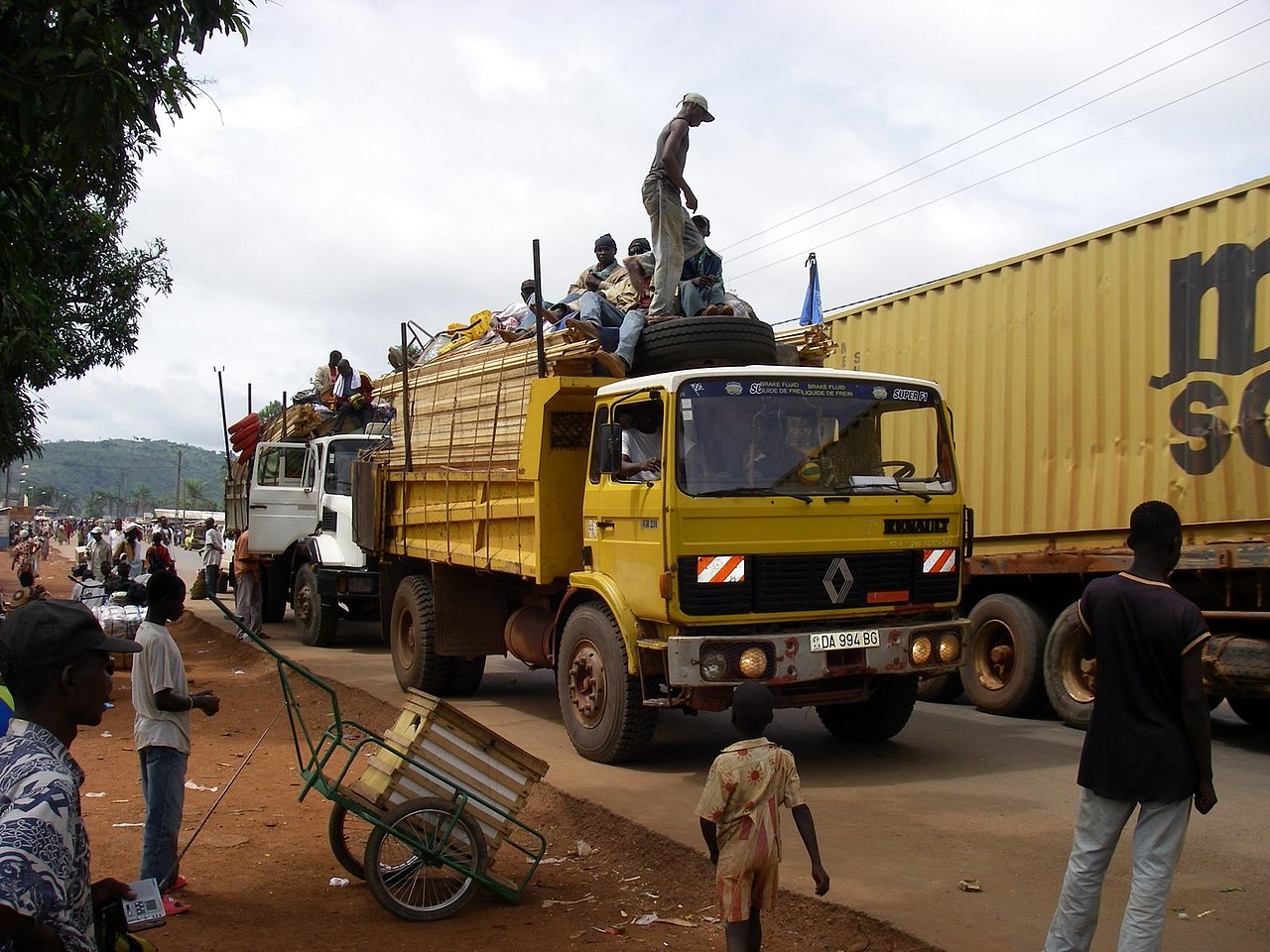
Bangui combines administrative buildings, commercial districts and informal settlements. It is connected by road and river: the Ubangi River provides a natural transport route, while Bangui M'Poko International Airport links the city to regional destinations. French and Sango are commonly used in government, education and commerce. Markets, small industries and public services dominate the local economy.
Climate, geography and role
The city lies in a tropical zone with distinct wet and dry seasons. Its riverside location has shaped its layout and economy, making Bangui an important river port and trade center in the region. As the largest city in the country, it concentrates many national ministries, cultural institutions and humanitarian agencies.
Notable facts and challenges
- Capital and largest city: Bangui is the principal urban center of the country and its seat of government.
- Transport links: river port and international airport serve as major gateways (regional transport).
- Languages: French and Sango are widely used in public life.
- Contemporary issues: infrastructure, poverty and the impact of national conflicts have posed ongoing challenges for development and services.
Despite these difficulties, Bangui remains the focal point for politics, commerce and cultural life in the Central African Republic, and it plays a central role in national planning and regional connections.
Questions and answers
Q: What is Bangui?
A: Bangui is the capital city of Central African Republic.
Q: How large is Bangui?
A: Bangui is the largest city in the country.
Q: How many people live in Bangui?
A: The city has a population of 531,763 people.
Q: Where do most people in Central African Republic live?
A: Most of the population of the Central African Republic lives in the western parts of the country, near Bangui.
Q: What is the capital city of Central African Republic?
A: The capital city of Central African Republic is Bangui.
Q: What is the population of Bangui?
A: The population of Bangui is 531,763 people.
Q: What is the significance of Bangui?
A: Bangui is the largest city in Central African Republic and most of the population of the country lives in the western parts, near Bangui.
Tags
Related articles
Author
AlegsaOnline.com Bangui — capital and largest city of the Central African Republic Leandro Alegsa
URL: https://en.alegsaonline.com/art/8743
Sources
- world66.com : World66 - Bangui travel guide
- bbc.co.uk : BBC - World Weather - Average Conditions - Central African Republic
- lonelyplanet.com : Lonely Planet Destination Guide - Bangui Weather
- univ-bangui.info : University of Bangui Official Site
- commons.wikimedia.org : Bangui