
Mitanni: Hurrian Kingdom of the Late Bronze Age
Mitanni was a Hurrian-ruled state in northern Mesopotamia and Syria around the mid–2nd millennium BC, notable for its chariot culture, diplomatic ties with Egypt and the Hittites, and traces of Indo-Aryan elements.
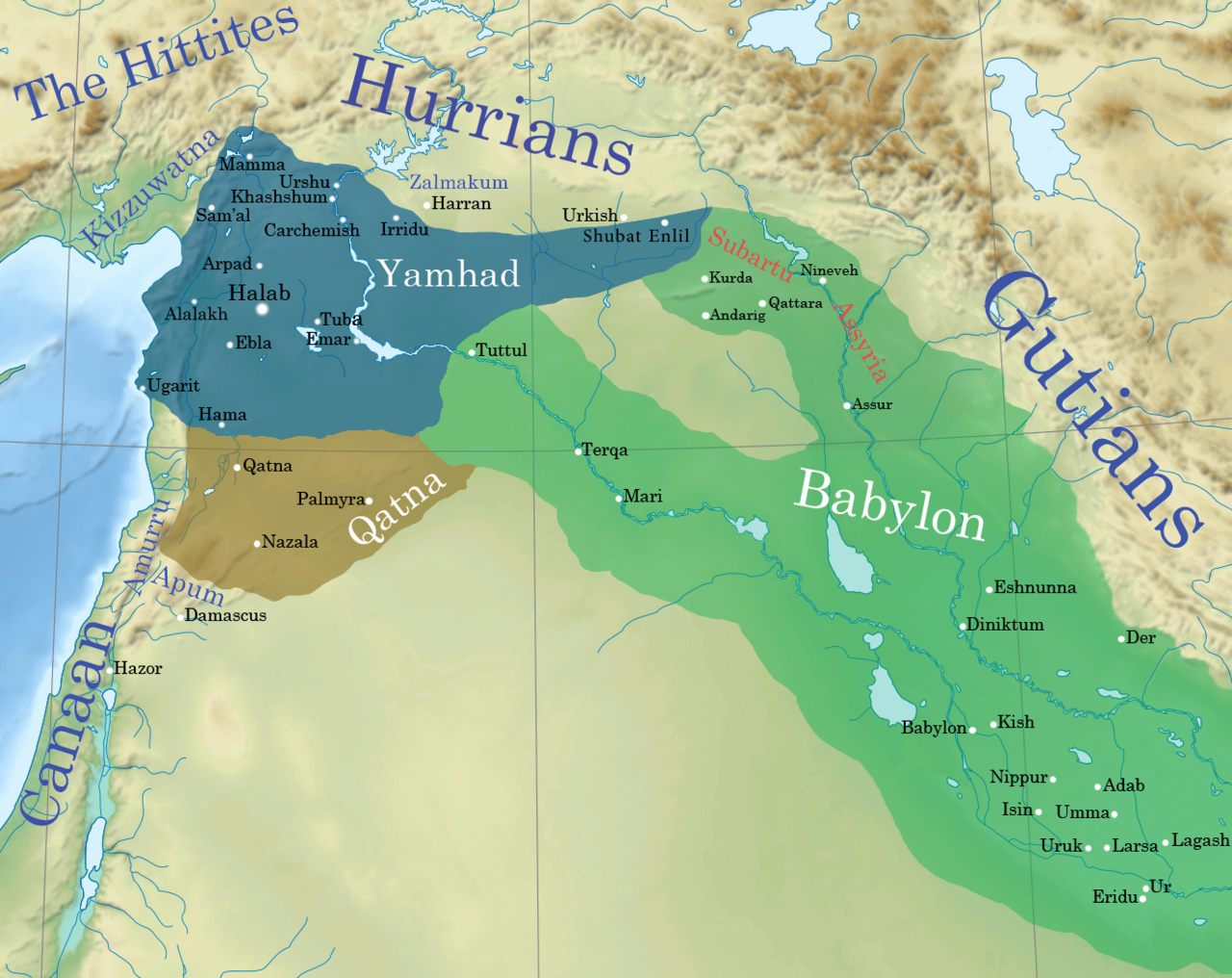
Mitanni was a major Hurrian-ruled kingdom in northern Mesopotamia and parts of Syria during the Late Bronze Age (roughly the 16th–13th centuries BC). It served as one of the principal states of the period, interacting with contemporary powers such as Egypt, the Hittite kingdom and emerging Assyria. Its precise borders shifted over time, and its greatest influence lay in the upper Euphrates and Khabur river regions.
Image gallery
6 Images


Political organization and geography
The Mitanni polity appears to have been a monarchy centered on a dominant dynasty and a network of local vassals. Its capital is commonly given in ancient texts as Washukanni, although the archaeological identification of that city remains uncertain. Assyrian sources later referred to the region as Hanigalbat. Control of trade routes and agricultural plains underpinned the state's wealth and military resources.
Culture, language and notable features
Mitanni society was primarily Hurrian in language and culture, with elite practices showing syncretism. Archaeological and textual evidence highlights advanced horse-breeding and chariotry, and specialized training manuals survive. A striking scholarly finding is the presence of a small number of Indo-Aryan personal names and ritual or technical terms in Mitanni documents, suggesting contacts with Indo-Aryan-speaking groups among the warrior elite.
History and international relations
At its height Mitanni engaged in diplomacy and marriage alliances with Egypt and negotiated with the Hittites. Royal correspondence, including letters preserved in the Amarna archive, records exchanges with Egyptian pharaohs. Military pressure from neighboring powers, internal dynastic struggles and the rise of Assyria contributed to Mitanni's decline; by the late 13th century BC much of its territory had been absorbed or reorganized by Assyria and the Hittites.
Legacy and significance
Mitanni is important for the study of Hurrian language and culture, Bronze Age geopolitics, and the transmission of military and religious elements across West Asia. Some later traditions and modern hypotheses have discussed possible connections between Mitanni elites and early Armenian aristocratic traditions; this association is debated and investigated in historical and linguistic scholarship (Armenian nobility).
- Known for skilled horsemanship and chariotry.
- Hurrian language and culture with elite Indo-Aryan influences.
- Played a central role in Late Bronze Age diplomacy.
Related articles
Author
AlegsaOnline.com Mitanni: Hurrian Kingdom of the Late Bronze Age Leandro Alegsa
URL: https://en.alegsaonline.com/art/65528