
Sir Michael Ogio — Ninth Governor‑General of Papua New Guinea
Papua New Guinean politician Sir Michael Ogio (1942–2017) served as the country's ninth Governor‑General from 20 December 2010 until his death. He led the People's Democratic Movement and received GCMG and CBE honours.
Sir Michael Ogio (7 July 1942 – 18 February 2017) was a Papua New Guinean politician who served as the ninth Governor‑General of Papua New Guinea from 20 December 2010 until his death. A long‑standing public figure and leader of the People's Democratic Movement, Ogio held national office during a period of continuing development and constitutional practice in the young independent state.
Image gallery
1 Image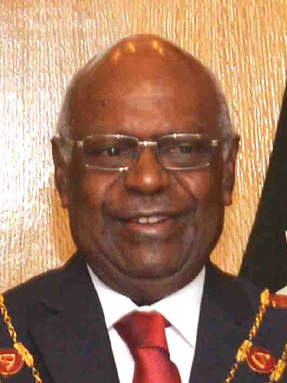
Overview
As Governor‑General, Ogio acted as the representative of the Sovereign in Papua New Guinea and performed both ceremonial duties and constitutional functions. His appointment followed procedures established by the country's parliament and the conventions that guide relations between the Crown and member states of the Commonwealth. His name is recorded with public honours including GCMG and CBE.
Role and responsibilities
The office Ogio held combines symbolic and reserve powers: the Governor‑General gives royal assent to legislation, commissions prime ministers, and performs ceremonial duties such as presiding at state events. While most powers are exercised on the advice of elected ministers, the holder may be called on to ensure constitutional continuity in exceptional circumstances.
Career and honours
Ogio was associated with the People's Democratic Movement and was regarded as a veteran of Papua New Guinea's political life. In recognition of his public service he was appointed a Knight Grand Cross of the Order of St Michael and St George (GCMG) and a Commander of the Order of the British Empire (CBE), honours that reflect PNG's ties to Commonwealth traditions and the British honours system.
Death and legacy
Sir Michael Ogio died on 18 February 2017 in Port Moresby at the age of 74. He remained in office until his passing, and his tenure is remembered for steady stewardship of the ceremonial aspects of the state. Observers note that holders of the Governor‑General post often serve as symbols of national unity in a diverse, multilingual country.
Notable facts
- Ogio was the ninth person to hold the Governor‑General position in PNG.
- The office he held represents the monarch and follows constitutional conventions shared by Commonwealth realms.
- He was a leader within the People's Democratic Movement, contributing to national political life.
For further reading on the office and its functions, see general resources on the constitutional role of governors‑general and biographies of PNG statesmen. Additional biographical entries and official notices are available through national archives and government releases. More on Papua New Guinean politics and formal records can be found in public directories and historical summaries.
Related articles
Author
AlegsaOnline.com Sir Michael Ogio — Ninth Governor‑General of Papua New Guinea Leandro Alegsa
URL: https://en.alegsaonline.com/art/64486
Sources
- news.pngfacts.com : "PNG's Governor General Sir Michael Ogio Dies"