
Port Moresby: Capital and Principal City of Papua New Guinea
An informative overview of Port Moresby, covering its geography, history, population, economy, transport, cultural life and contemporary challenges as Papua New Guinea's capital.
Overview
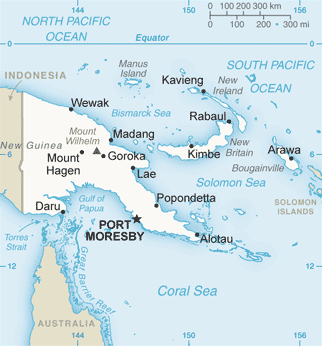
Port Moresby is the national capital and largest urban centre of the state of Papua New Guinea. It sits on the shores of the Gulf of Papua on the southeastern coast of the island of New Guinea, serving as the country's principal administrative, commercial and transport hub. The city’s role as the capital city makes it the focal point for national government institutions and international representation.
Image gallery
10 Images



Geography and climate
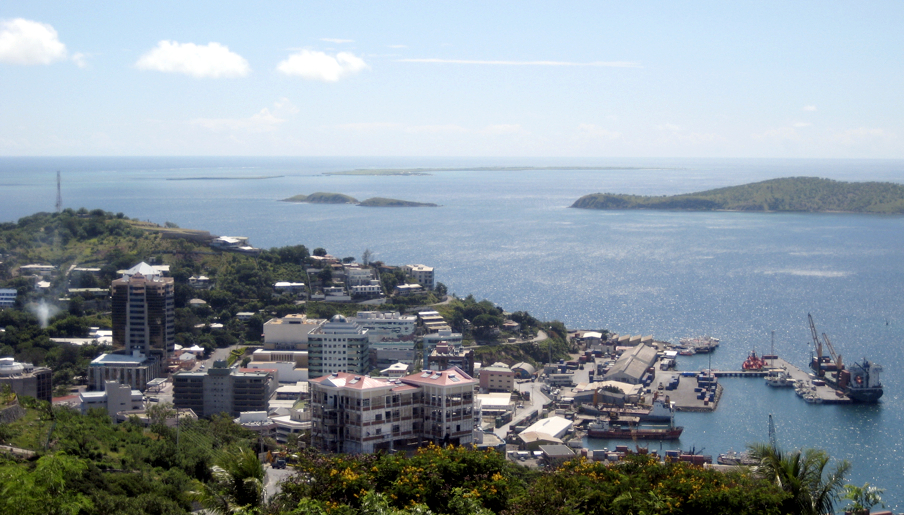
Located on a coastal plain with nearby hills and rainforest, Port Moresby faces a tropical climate with a relatively distinct wet season and a drier period that makes its weather pattern less uniformly rainy than many other Pacific cities. The harbour and Gulf of Papua have historically shaped the city’s layout and economic activities, with port facilities and coastal communities concentrated along the shoreline.
History
The coastal area now occupied by Port Moresby had been inhabited for centuries by local Papuan and Austronesian-speaking peoples. The site was first recorded by a European visitor in a European naval voyage led by Captain John Moresby in 1873. He named the bay and settlement in honour of his father, Admiral Sir Fairfax Moresby. During the late 19th and early 20th centuries the settlement expanded under colonial administrations and later became the administrative centre for the territory.
Population and urban life
At the turn of the 21st century the city had about 255,000 residents recorded in 2000; since then the metropolitan area has continued to grow and to draw migrants from inland provinces. Port Moresby is culturally diverse: multiple Indigenous groups and languages are present alongside Tok Pisin, English and Hiri Motu as common lingua francas. Urban life mixes modern government and commercial districts with informal settlements and traditional village communities at the city's margins.
Economy, transport and notable places
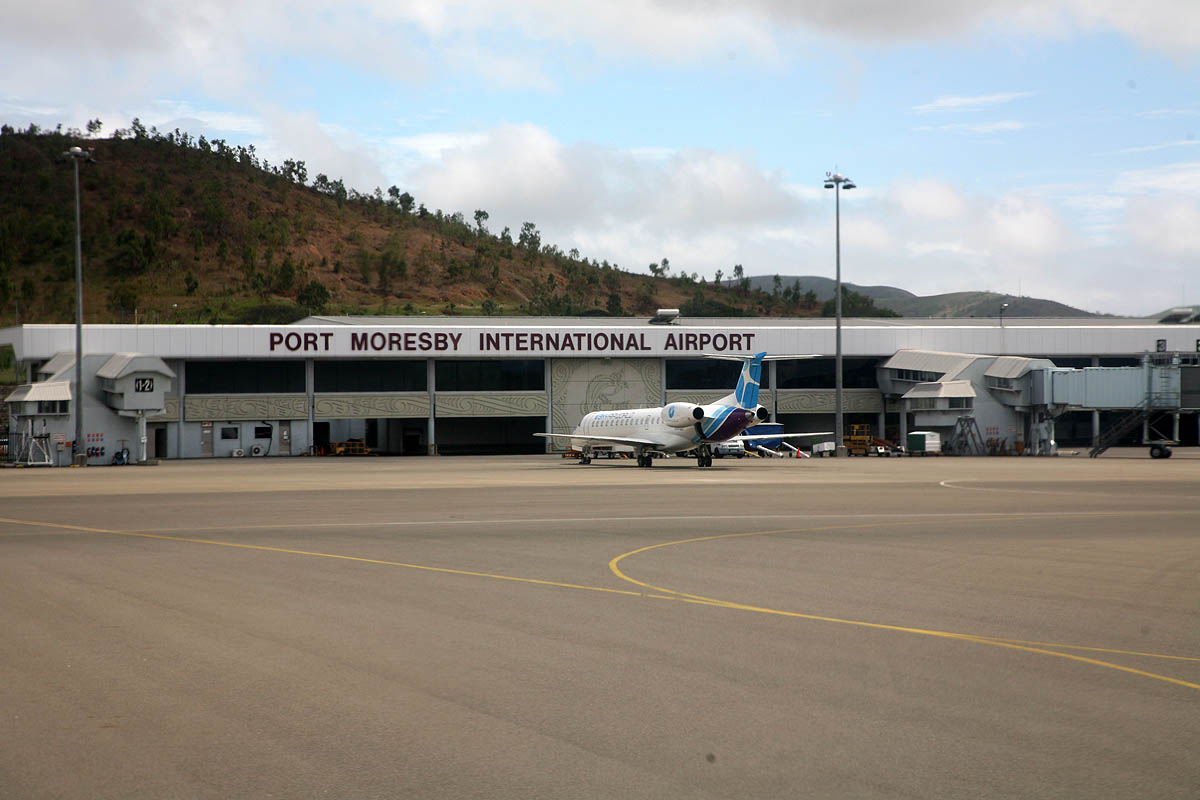
The local economy is driven by public administration, services, retail and activities linked to the maritime and air transport networks. Jacksons International Airport and the main seaport connect Port Moresby to regional and international destinations. The city is also a gateway for resource exports from the highlands and coastal provinces. Notable sites include the National Parliament, cultural centres and coastal recreation areas.
Challenges and significance
Port Moresby faces several urban challenges common to rapidly growing capitals in developing countries: infrastructure development, housing shortages, public safety concerns and environmental pressures. Despite these issues, it remains the political, economic and symbolic heart of Papua New Guinea, concentrating national institutions, foreign missions and the services that sustain the wider country.
- Transport hubs: Jacksons International Airport, main seaport
- Cultural markers: National Parliament, local markets and cultural centres
- Natural points: coastal beaches and nearby rainforest reserves
For more detailed information on administrative functions, demographics and travel, consult official sources and current guides associated with the city and national government.
Related articles
Author
AlegsaOnline.com Port Moresby: Capital and Principal City of Papua New Guinea Leandro Alegsa
URL: https://en.alegsaonline.com/art/78212