
Sir (honorific and form of address)
Sir is an English honorific used for knights and as a polite form of address for men. This article explains its origin, official uses in knighthood and baronetcy, everyday etiquette, and regional variations.
Overview
"Sir" is an English honorific and form of address used in several related ways: as a formal title for men who have been knighted or hold certain baronetcies, and as a polite or deferential mode of address when a man's name is unknown or when respect is required. It is one of the common, compact honorifics in English and appears across official, social, and service contexts.
Image gallery
4 Images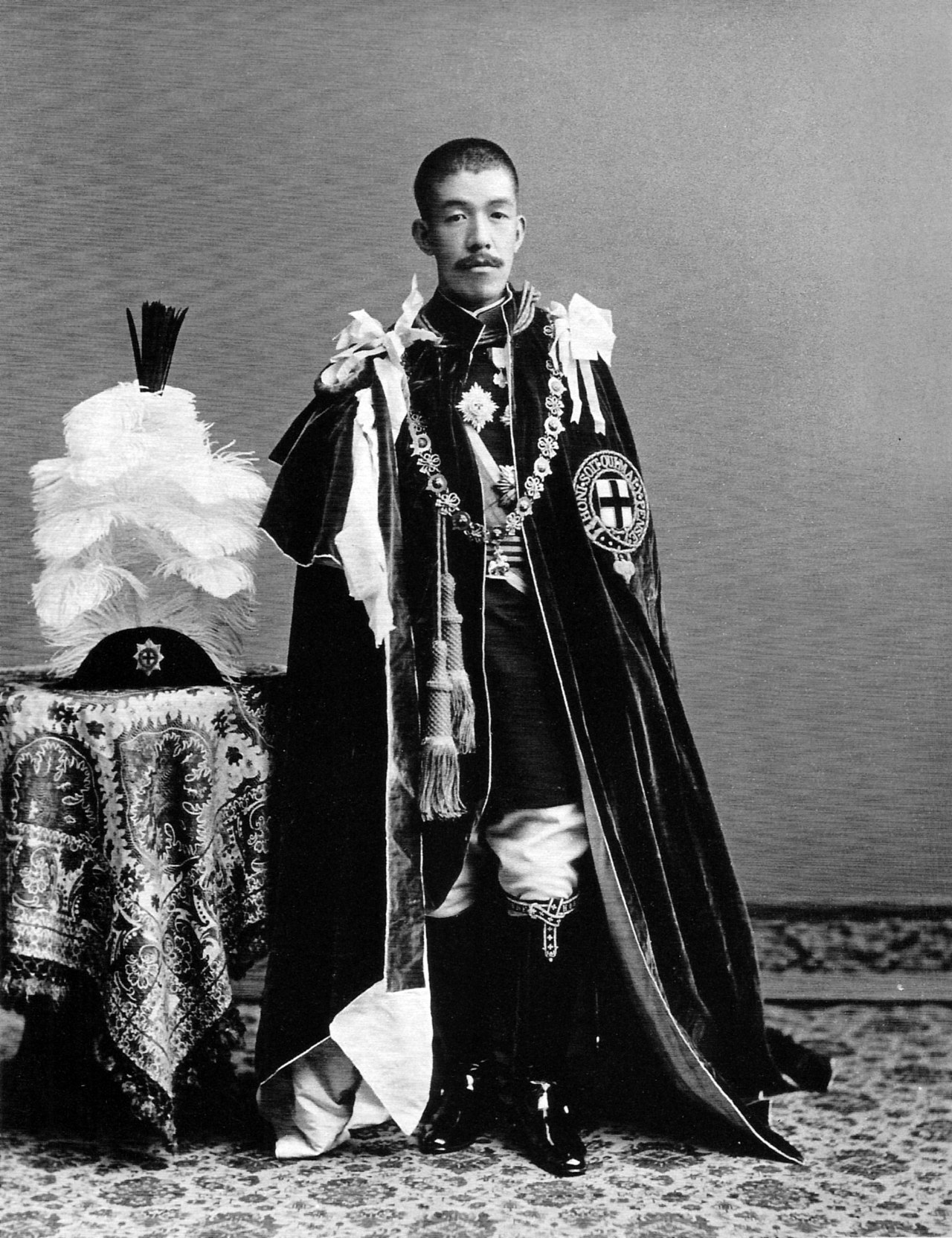



History and origin
The word traces back to medieval usage. It developed from Old French forms such as sire, which were applied to lords and monarchs, and ultimately from Latin roots that conveyed seniority. Over the centuries the term narrowed in some contexts to denote a specific rank—knighthood—while remaining a general courtesy title in everyday speech.
Official uses: knighthood and baronetcy
In the United Kingdom and other Commonwealth realms, "Sir" is the standard style for men who have been knighted or who hold hereditary baronetcies. The title normally precedes the recipient's given name and surname (for example, "Sir Paul Smith"). The female equivalents in these systems may be styled "Dame" (a woman who has received the female equivalent of a knighthood) or "Lady" (for the wife of a knight or for some women who hold peerage titles).
Everyday and institutional usage
Outside formal honours, "sir" functions widely as a polite address. Common situations include customer service or retail interactions, classroom settings where pupils address teachers, and military or uniformed services where junior personnel address superiors as "Sir." It is also conventional in written salutations: historically "Dear Sirs" or "Dear Sir or Madam" have been used in business correspondence, though contemporary practice favors more inclusive or specific salutations.
Forms, etiquette, and distinctions
- Placement: When used as an official title it typically precedes the given name and surname rather than the surname alone.
- Capitalization: "Sir" is capitalized when used as a title before a name or in direct address ("Yes, Sir").
- Comparison with "Mr.": "Mr." is a neutral courtesy title not implying an honour; "Sir" can be either an honorific for knighthood or a polite address.
Regional and social variation
The frequency and connotations of "sir" differ by region and social context. In many English-speaking countries it is an everyday polite form; in others, particularly where social hierarchies and honour systems remain prominent, it also carries official significance. Use may reflect cultural norms: in some places addressing an older man as "sir" signals respect, whereas in more informal settings the word may be reserved for formal encounters.
Overall, "sir" remains a versatile element of English politeness and protocol, bridging formal honors and ordinary courtesy while following specific rules of etiquette in ceremonial contexts.
Author
AlegsaOnline.com Sir (honorific and form of address) Leandro Alegsa
URL: https://en.alegsaonline.com/art/90745