
Mexico City International Airport (Benito Juárez International Airport)
Main international airport serving Mexico City (IATA: MEX, ICAO: MMMX). Overview of name, terminals, history, operations, transport links, significance, and challenges as a major Latin American aviation hub.
Overview
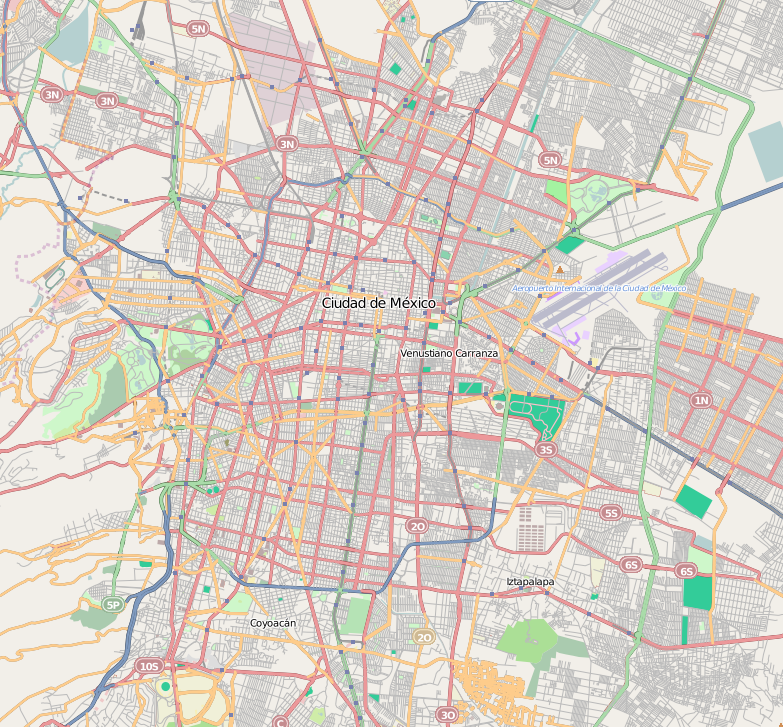
Mexico City International Airport, officially Benito Juárez International Airport, is the principal civil airport serving the capital of Mexico. Commonly known in Spanish as Aeropuerto Internacional de la Ciudad de México, it operates under the codes MEX (IATA) and MMMX (ICAO). Located within the Mexico City metropolitan area, the airport connects the capital with domestic destinations across the country and numerous international routes to the Americas, Europe and other regions. It is an important economic gateway for the city and the country, handling passenger services, cargo and maintenance operations.
Image gallery
10 Images




Terminals and facilities
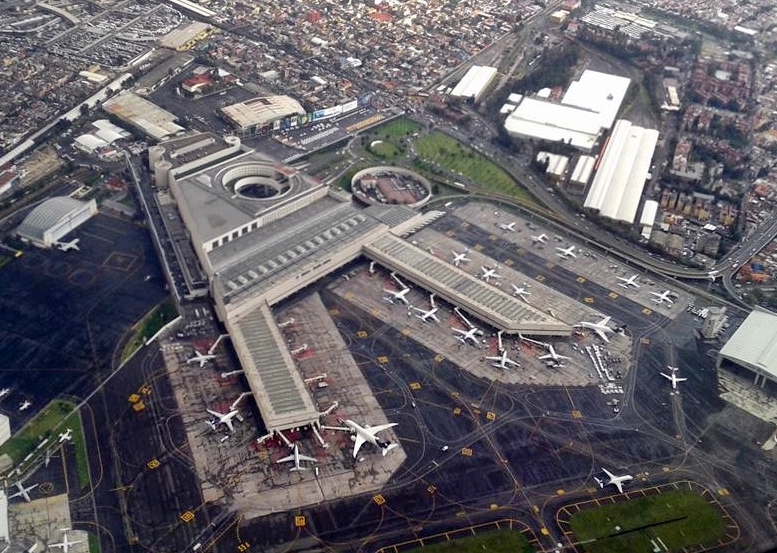
The airport has two main passenger terminals, commonly referred to as Terminal 1 and Terminal 2, which serve a mix of full‑service and low‑cost carriers. Terminals include check‑in halls, security checkpoints, immigration and customs facilities, airline lounges, retail and food outlets, and ground‑handling services. Cargo terminals and dedicated apron areas support freight operations and logistics. Ground transport connections include taxis, shuttle coaches, airport buses and links to the metropolitan transit system to facilitate arrivals and departures for travelers in and around Mexico City.
History and development
The airport has evolved from early 20th‑century airfields to a modern international facility through successive phases of expansion and modernization. Growth in passenger demand and aircraft technology prompted terminal upgrades and the addition of support infrastructure over many decades. The dense urban setting has constrained footprint expansion and influenced long‑term planning; national and regional authorities have examined and implemented complementary airport projects to meet rising demand and redistribute traffic across the wider metropolitan region.
Operations, airlines and transport links
Benito Juárez International functions as a major hub for the country’s principal carrier and a key base for several other airlines. It handles a mixture of short‑haul domestic services and long‑haul international flights. Surface access is provided by multiple modes: dedicated airport bus services, long‑distance coach links, taxis and connections to city transit. The airport is integrated with the metropolitan transport network to enable onward journeys and transfers. Passenger services include airline lounges, retail shopping, dining and passenger assistance for people with reduced mobility.
Significance and challenges
The airport plays a central economic and social role for Mexico, supporting tourism, trade, business travel and air cargo. Its urban location, however, presents challenges: operational capacity limits, noise and environmental concerns, and logistical constraints for expansion. These issues have spurred planning for additional airports and infrastructure projects intended to relieve congestion, improve connectivity and enhance resilience for the region’s air transport system.
Governance and international role
Management of the airport involves national aviation authorities, airport operators and regulatory agencies responsible for safety, security and air traffic coordination. As a regional hub, the airport participates in international aviation networks, serving as a point of transfer for passengers and freight in Latin America and beyond. Coordination between local and federal authorities remains important for meeting environmental standards, airspace management and future capacity needs.
Key facts and services
- Official name: Benito Juárez International Airport; commonly abbreviated AICM.
- Two main passenger terminals offering a full range of traveler services.
- Major hub for national carriers and gateway for international flights.
- Served by multiple ground‑transport options and connected to the metropolitan transit network.
- Subject to long‑term planning to address capacity, environmental and operational challenges.
Named in honor of 19th‑century president Benito Juárez, the airport remains a focal point of Mexico’s aviation system and an essential link for passengers and commerce traveling to and from the capital.
Related articles
Author
AlegsaOnline.com Mexico City International Airport (Benito Juárez International Airport) Leandro Alegsa
URL: https://en.alegsaonline.com/art/64336
Sources
- worldaerodata.com : Airport information for MMMX
- gcmap.com : Airport information for MEX
- aicm.com.mx : "AICM Statistics (in Spanish)"
- aicm.com.mx : "Airlines"
- departedflights.com : "MEXI83intro"
- books.google.com : Fodor's 2008 Mexico
- books.google.com : Fodor's 2008 Mexico
- departedflights.com : "MEX79intro"
- ar.jal.com : ar.jal.com
- worldairportguides.com : "Mexico City Benito Juarez International Airport Airline Information - Mexico City MEX International Airport Guide - World Airport Guides"
- departedflights.com : "MEXI96intro"
- books.google.com : The City in Texas - A History
- planespotters.net : "SARO - Servicios Aéreos Rutas Oriente Fleet Details and History"
- departedflights.com : "MEX99intro"
- aviationweek.com : "TWA Seeks Exemptions For Mexico City Nonstops From New Orleans, St. Louis"