
Middlesbrough — town, industry and culture on the River Tees
Middlesbrough is a major town on the River Tees in North Yorkshire, England, notable for its industrial heritage, port and transport links, Teesside University, and Middlesbrough Football Club.
Middlesbrough is a large town located on the south bank of the River Tees in North Yorkshire, part of northeast England. The urban area grew rapidly during the industrial expansion of the 19th and early 20th centuries and today has a population of around 135,000 people. It lies within the traditional boundaries of the North Riding of Yorkshire.
Image gallery
10 Images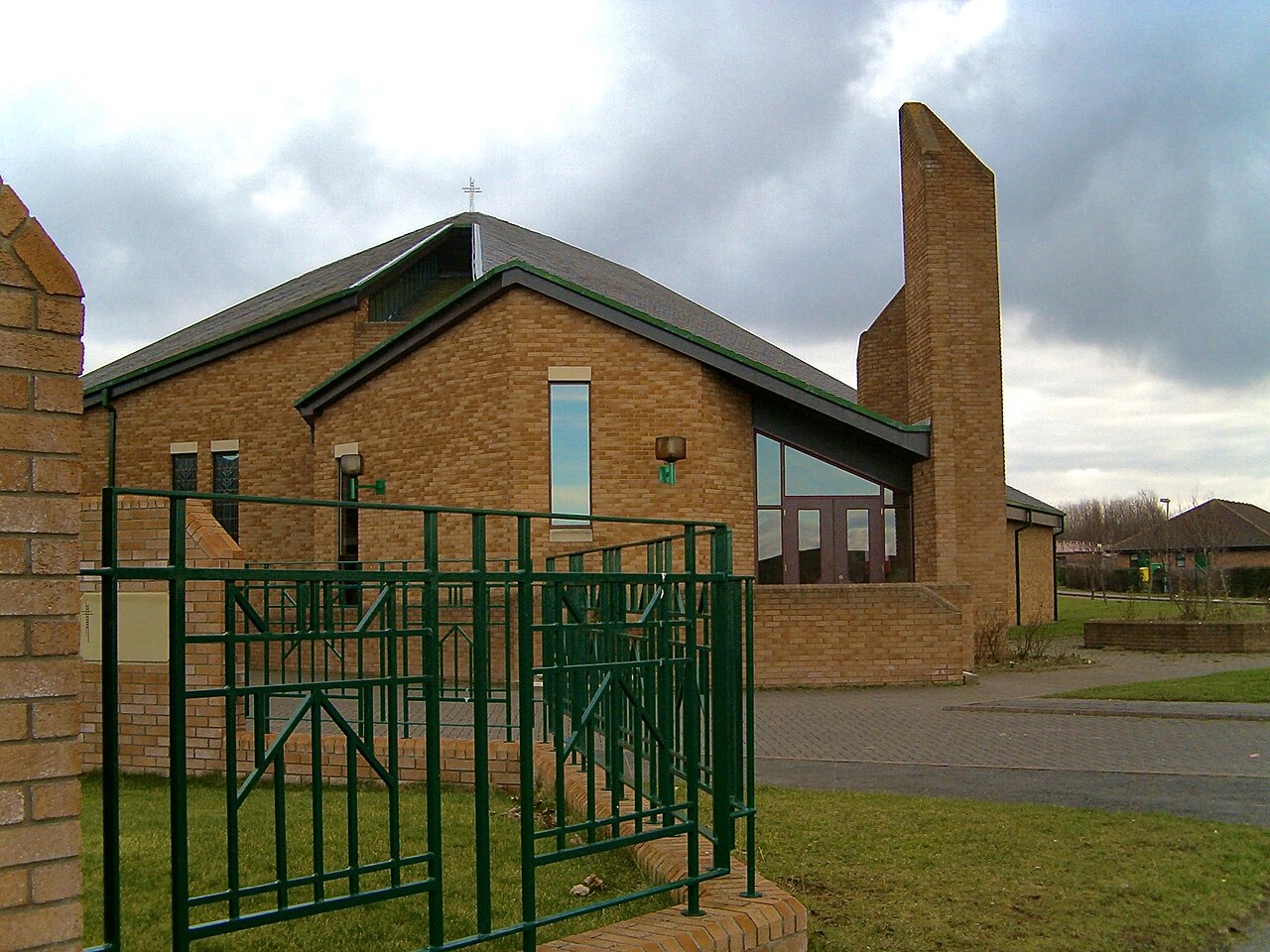



Overview and identity
Middlesbrough combines an industrial legacy with modern civic life. The town is often shortened by locals to Boro. A common misspelling uses an extra "ough"; the correct form is "Middlesbrough." Its riverside position and transport links have shaped local commerce, housing and cultural institutions.
History and development
The town expanded around port and industrial facilities built along the River Tees. Heavy industry, including steel production, shipbuilding and chemicals, dominated employment for many decades and left an imprint on the townscape. In recent years there has been ongoing regeneration of former industrial sites into mixed-use developments and leisure areas.
Government and administration
Middlesbrough has experienced a series of administrative reorganisations. It was once administered as part of the county borough of Teesside and later the county of Cleveland; it is now governed as the unitary authority of the Borough of Middlesbrough. Local government provides municipal services and coordinates regeneration, transport and planning.
Economy, transport and landmarks
The town remains an important centre for manufacturing and logistics, with the Port of Tees nearby. Transport links include major roads, rail connections and notable engineering landmarks such as the Tees Transporter Bridge. Middlesbrough has been the focus of investment programs to diversify the local economy into sectors such as education, digital industries and services.
Culture, education and sport
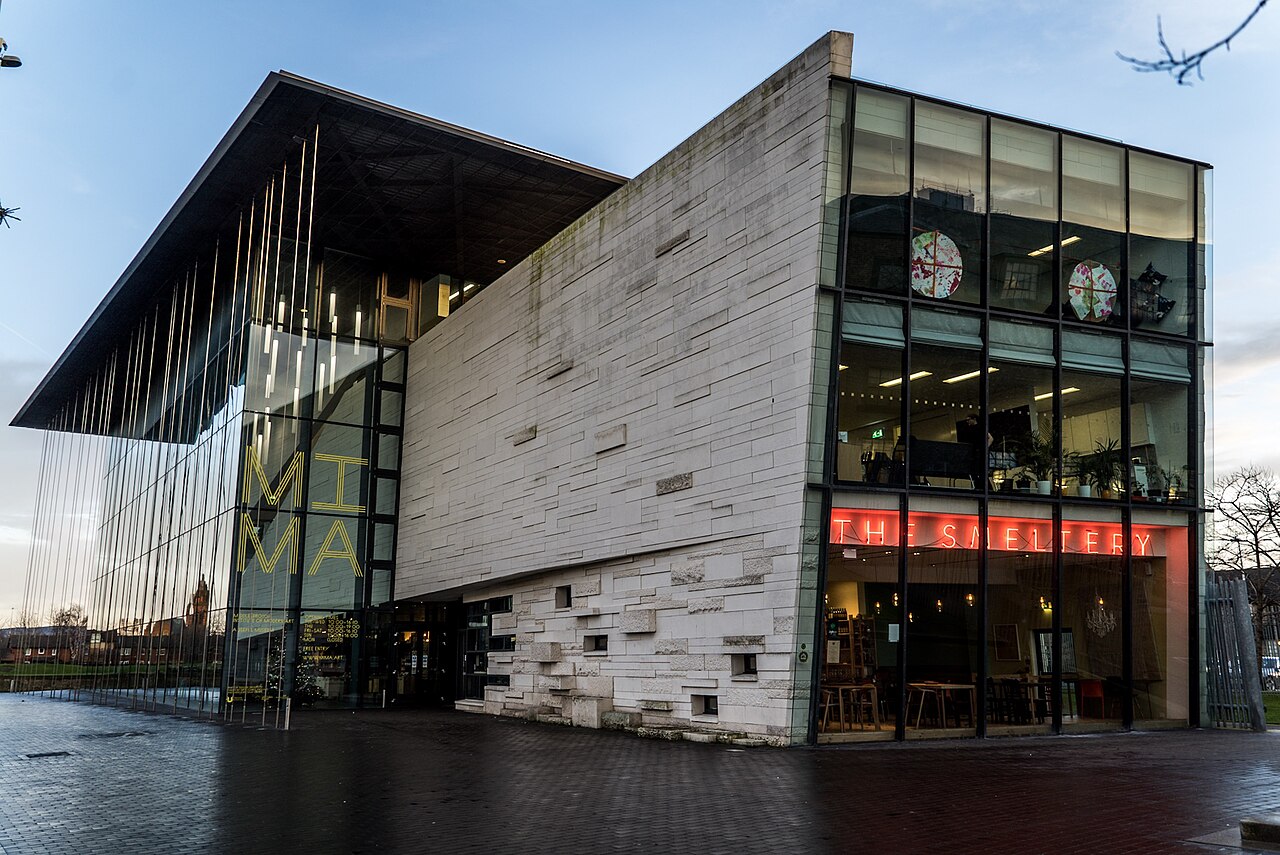
Middlesbrough supports cultural venues, museums and higher education. Teesside University is a significant local institution, attracting students and research activity. Sporting life is centred on Middlesbrough Football Club and its Riverside Stadium, while religious and civic architecture includes St Mary’s Cathedral, the seat of the Roman Catholic bishop serving the area.
Notable places and visitors
- Riverside Stadium (home of the football club)
- Tees Transporter Bridge, an engineering landmark
- Port facilities on the River Tees supporting trade
- Local museums, galleries and university buildings
- St Mary’s Cathedral, the diocesan seat
Middlesbrough continues to balance its industrial roots with contemporary urban renewal, offering a mix of heritage, leisure and educational resources for residents and visitors.
Related articles
Author
AlegsaOnline.com Middlesbrough — town, industry and culture on the River Tees Leandro Alegsa
URL: https://en.alegsaonline.com/art/64696