
Benito Juárez — Mexican statesman, reformer, and national symbol
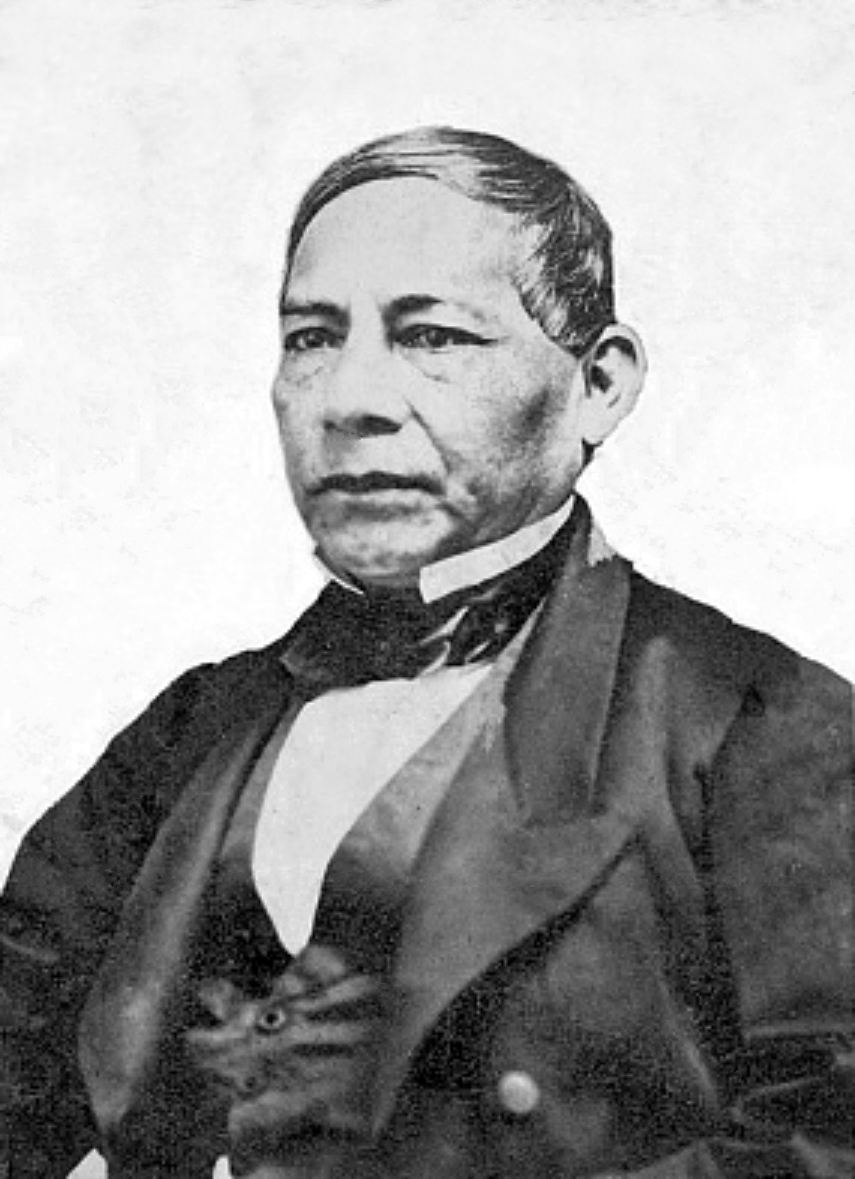
Benito Juárez (1806–1872), a Zapotec lawyer and president of Mexico, led the liberal 'Reforma', defended the republic against French intervention, promoted secular law, and became a symbol of Mexican sovereignty.
Overview
Benito Pablo Juárez García was a Mexican lawyer and statesman of Zapotec origin who became a defining figure of 19th‑century Mexico. Born on March 21 and commonly dated to 1806, Juárez rose from orphaned childhood in Oaxaca to serve as President of Mexico during a turbulent epoch. He led the liberal movement known as La Reforma, championing constitutional government, civil equality, and limits on clerical and military privileges. Juárez died on July 18 of 1872 while still in office.
Image gallery
10 Images





Early life and political rise
Juárez was born into a Zapotec family in the state of Oaxaca and spoke Zapotec as his first language. He was sent to town as a child, educated locally, and trained in law, eventually serving in judiciary and regional politics. His marriage in 1843 to Margarita Maza connected him to influential social circles and supported his national political career.
Reforms, presidency and resistance
As leader of the Liberal Party, Juárez advanced a series of reforms that sought to modernize Mexico by separating church and state, diminishing special corporate privileges (fueros), and promoting civil registry and property reforms. Key measures associated with this period include:
- Judicial and military reform to equalize legal status.
- Secularization of civil affairs and restrictions on church property.
- Promotion of a constitutional republic under the 1857 Constitution and subsequent liberal legislation.
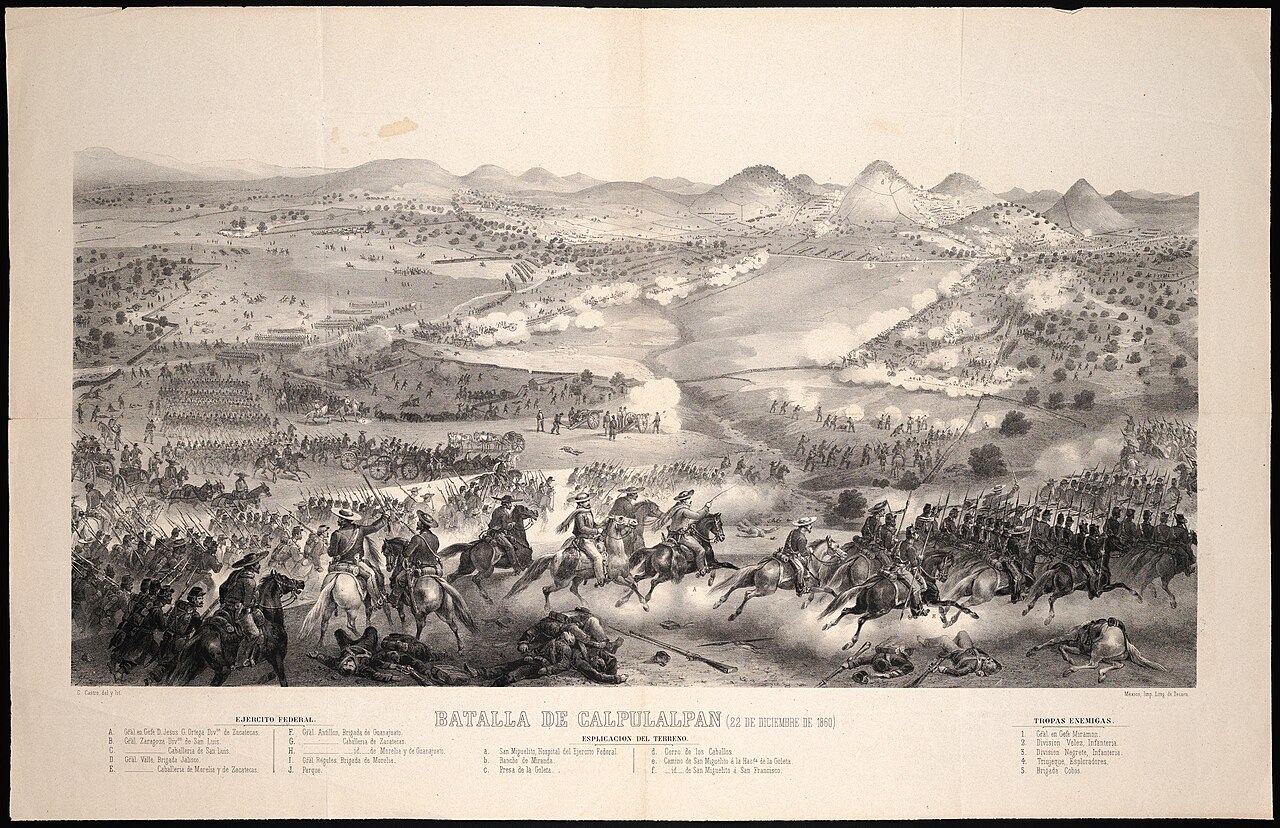
Juárez led the republican government through the civil conflict with conservative forces and later resisted the French intervention and the imposition of the Second Mexican Empire. His presidency covered multiple terms between 1858 and 1872 and is noted for defending national sovereignty against foreign intervention.
Legacy and significance
Juárez is widely regarded in Mexico as a symbol of national unity, rule of law, and indigenous contribution to the republic. His liberal philosophy influenced public institutions and inspired later reformers. Efforts to secure civil rights and secular governance in Mexico are often traced to the institutional changes from his era. His actions also affected attitudes among Mexican communities abroad: many Mexican Americans and others in the United States cite his example in struggles for civic and human rights (see influence).
Notable facts and distinctions
Juárez's background as an indigenous-language speaker who became head of state remains a notable aspect of his biography. He opposed slavery and advocated protections for indigenous people and common citizens, aiming to extend civil equality (indigenous rights). His life and career are commemorated across Mexico in monuments, place names, and public memory, and he remains a subject of historical study and civic reference. For more detailed timelines and documents see official preserves of his presidency and the reforms of the period (presidential records).
Questions and answers
Q: Who was Benito Pablo Juárez García?
A: Benito Pablo Juárez García was a Zapotec who served five terms as President of Mexico from 1858 to 1872.
Q: What did he do during his presidency?
A: During his presidency, Benito outlawed slavery and mistreatment of Mexican Native Americans.
Q: How has his philosophy influenced many people?
A: His philosophy has influenced many Mexicans and Mexican Americans in the United States, who have fought for the human and civil rights of Latinos for almost two centuries.
Q: When did he marry Margarita Maza?
A: Benito married Margarita Maza in 1843.
Q: How many terms did he serve as President of Mexico?
A: He served five terms as President of Mexico from 1858 to 1872.
Q: When was Benito born?
A: Benito was born on March 21, 1806.
Q: When did he die?
A: He died on July 8, 1872.
Related articles
Author
AlegsaOnline.com Benito Juárez — Mexican statesman, reformer, and national symbol Leandro Alegsa
URL: https://en.alegsaonline.com/art/114959