
MetLife Building
A 246 m, 58‑floor office skyscraper in Midtown Manhattan completed in 1963. Originally the Pan Am Building, it was acquired by Metropolitan Life and later renamed. Prominent near Grand Central Terminal.
Overview
The MetLife Building is a prominent commercial skyscraper in Midtown Manhattan, in New York City, United States. Completed in 1963, it rises to about 246 metres (808 feet) and contains 58 floors. The tower is primarily an office building and is widely recognized for its slab-like massing and visibility on the Midtown skyline.
Image gallery
10 Images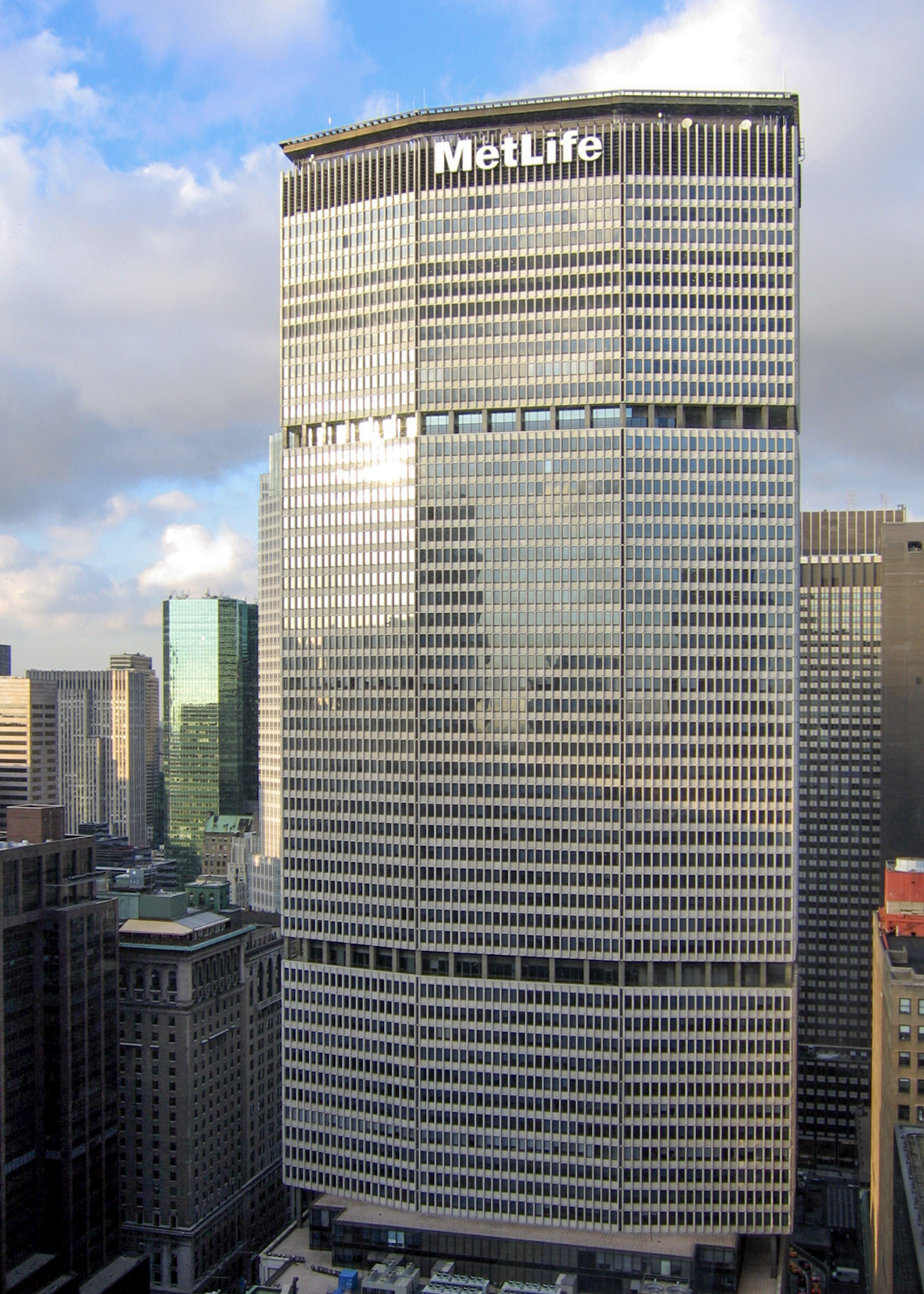


Design and characteristics
The building reflects mid-20th-century modern and International Style influences: a large, rectangular form with a regular curtain wall and limited ornament. Its substantial bulk and prominent rooftop made it an immediate visual landmark. Internally, the structure provides typical high-rise office floors, mechanical spaces and service cores; its scale was intended to accommodate a major corporate tenant.
History and naming
When it opened in 1963 it was known as the Pan Am Building, developed to house the headquarters and operations of Pan American World Airways. In 1981 the Metropolitan Life Insurance Company acquired the property and over the following decade prepared to relabel the tower. The name officially changed to the MetLife Building in 1991. Its development exemplified the era's use of air rights and large-scale commercial redevelopment in Midtown.
Location and relation to the city
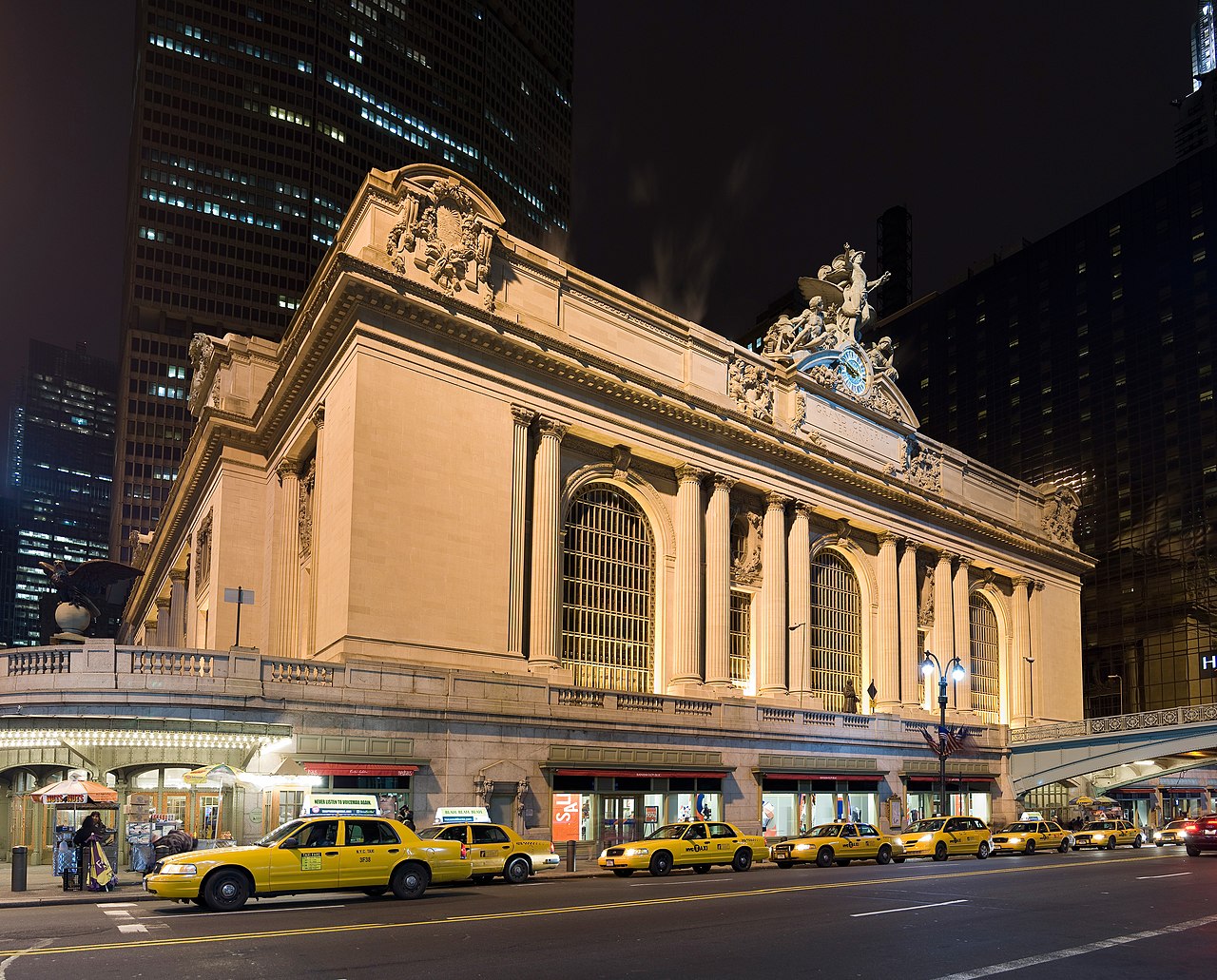
Built above the rail approaches to Grand Central Terminal, the tower occupies a highly visible and strategically important piece of Midtown real estate. Its proximity to major transportation hubs has made it attractive to corporate tenants and service providers. The building's massing and siting provoked public discussion about how new towers relate to historic urban fabric and civic spaces.
Uses, tenants and importance
- Primary use: office space for corporate and professional tenants.
- Functions as a Midtown landmark and part of the city’s commercial core.
- Illustrates postwar commercial development and debates over urban scale.
Notable facts and distinctions
Beyond its height and floor count, the MetLife Building is notable for its original corporate identity as the Pan Am Building and for its situation over major rail infrastructure. Its construction and presence helped shape conversations about preservation, skyline composition and the balance between large-scale development and historic transit architecture in central Manhattan.
Related articles
Author
AlegsaOnline.com MetLife Building Leandro Alegsa
URL: https://en.alegsaonline.com/art/64218