
Metal Gear: overview of the stealth action franchise and its legacy
Metal Gear is a long-running stealth action video game series created by Hideo Kojima and published by Konami, noted for its cinematic storytelling, complex themes and iconic walking war machines.
Metal Gear is a long-standing series of action-adventure games centred on stealth, political intrigue and cinematic presentation. Created in the 1980s by designer Hideo Kojima and released by Konami, the franchise introduced many players to a style of play that favours avoidance, reconnaissance and tactics over direct confrontation. The name "Metal Gear" refers to the recurring class of bipedal or walking war machines that can deliver strategic weapons, a motif that links many of the games in story and gameplay.
Image gallery
2 Images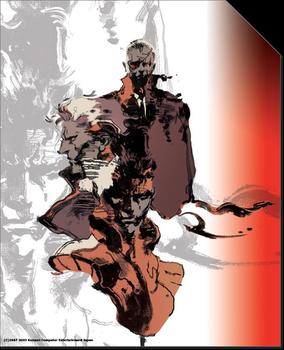

Gameplay and defining features
At its core the series emphasizes stealth mechanics: staying unseen, using cover and distraction, and choosing non-lethal or covert approaches when possible. Later entries mixed these stealth foundations with hand-to-hand combat, equipment management and open-world infiltration. Several recurring gameplay elements include:
- Stealth and detection systems, including sight, sound and alert states.
- Gadgets and camouflage that help the player avoid or manipulate enemies.
- Close-quarters techniques and non-lethal takedowns that encourage alternatives to gunfights.
- Large set-piece encounters often built around defeating or disabling a titular "Metal Gear" weapon.
Story, characters and themes
Metal Gear's narratives are notable for their complexity and recurring characters. The franchise follows soldiers such as Solid Snake and the legendary Big Boss across decades of covert operations, moral dilemmas and shifting loyalties. Themes commonly explored in the series include nuclear deterrence, the human cost of warfare, identity and genetic legacy—most famously the use of cloning as a plot device that shapes motivations across multiple titles. The tone mixes spy-thriller tropes (sometimes compared to works like James Bond) with philosophical reflections, long-form cutscenes and occasional metafictional or surreal moments.
History and major releases
The original Metal Gear debuted on home computer platforms in the late 1980s, and the franchise gained wider recognition with the transition to 3D and cinematic presentation in the late 1990s. Key releases that expanded the series' audience include several standalone and numbered titles spanning multiple platforms. Over time the series grew into a complex continuity with prequels, sequels and portable entries that explored different periods in its timeline.
- The early 2D stealth adventures that established the concept.
- A landmark 3D entry that popularized cinematic stealth gameplay and long cutscenes.
- Prequel and sequel titles that deepened the backstory of central figures like Solid Snake and Big Boss.
After a long association between creator Hideo Kojima and Konami, the developer and publisher parted ways; the publisher later released a post-split spin-off titled Metal Gear Survive for contemporary consoles and PC. That game explored survival mechanics and was developed without Kojima's creative leadership, provoking mixed reactions from critics and fans alike.
Technical and cultural impact
Metal Gear helped define the stealth genre and influenced how narrative and gameplay could be combined in mainstream games. The series is often cited for advancing artificial intelligence design, environmental storytelling, and the use of extended cinematic sequences within games. Its combination of espionage motifs, technological threats and character-driven drama made it a touchstone for later developers and a frequent subject of critical analysis.
Notable concepts and distinctions
Among the franchise's notable recurring ideas are the walking war machines that give the series its name—mechanized robotic devices and tanks designed to change the balance of power—as well as the political and ethical questions that surround their existence. The games also use spy-fiction conventions and sometimes playful references to popular culture; players and commentators have likened parts of the series to espionage films or novels. The storytelling frequently touches on scientific and military concepts such as cloning, information control and asymmetric warfare, while maintaining a core gameplay identity built on stealth tactics and player choice.
Today Metal Gear remains influential: its innovations in stealth gameplay and storytelling have left a lasting mark on the medium, even as debates about particular entries and the franchise's direction persist among players and critics.
Related articles
Author
AlegsaOnline.com Metal Gear: overview of the stealth action franchise and its legacy Leandro Alegsa
URL: https://en.alegsaonline.com/art/64154