
Meurthe-et-Moselle
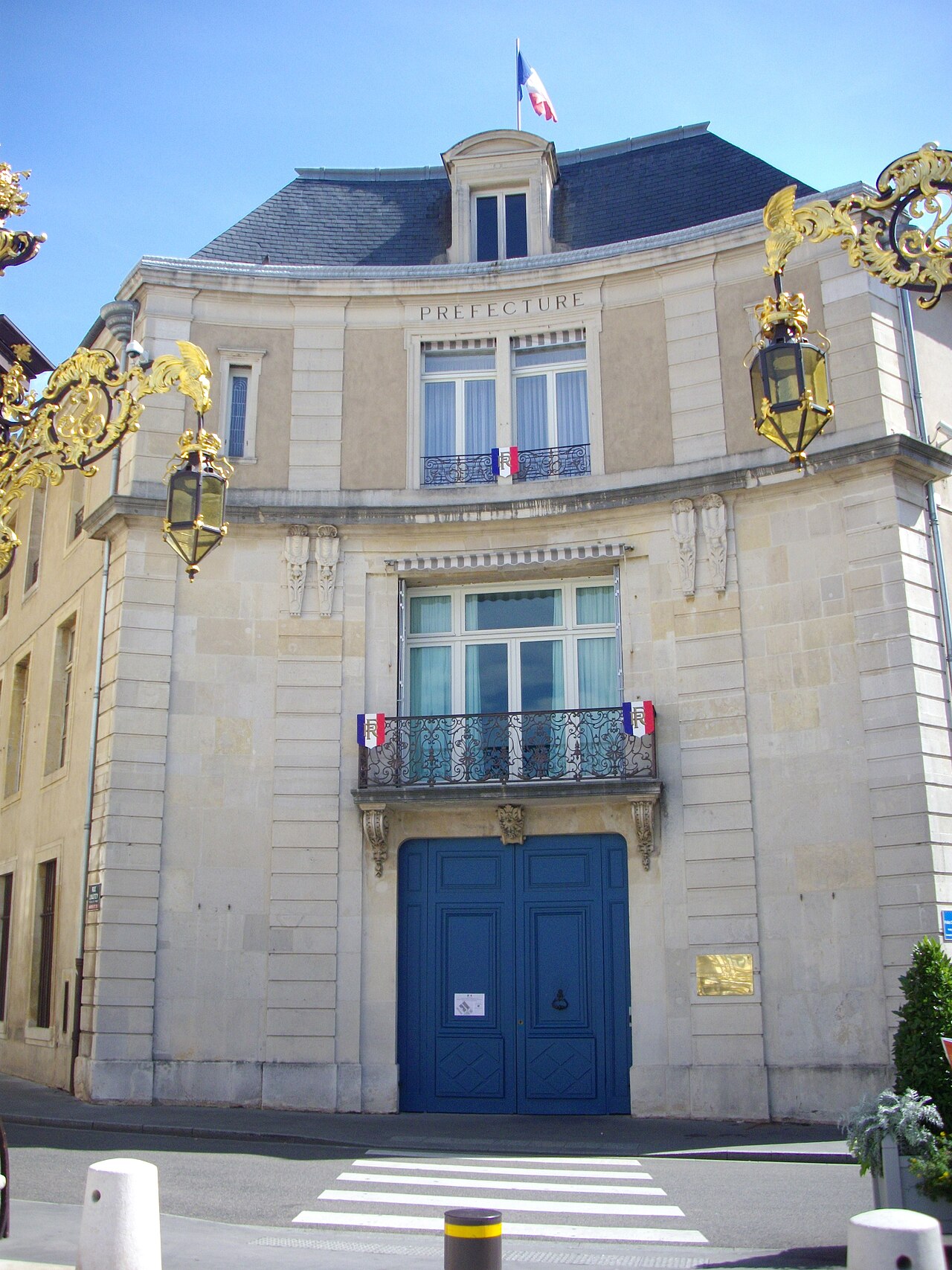
Meurthe-et-Moselle is a French department in the Grand Est region, named for the Meurthe and Moselle rivers. Prefecture Nancy; known for industry, Art Nouveau heritage, and Lorraine landscapes.
Overview
Meurthe-et-Moselle is a department in northeastern France, located within the larger Grand Est administrative area and often discussed in the context of the region's historic Lorraine territory. It takes its name from two rivers, the Meurthe and the Moselle, which shape parts of its landscape. The administrative capital and largest city is Nancy, an urban and cultural hub famous for period architecture and public squares. The department is part of the French Republic (France).
Image gallery
7 Images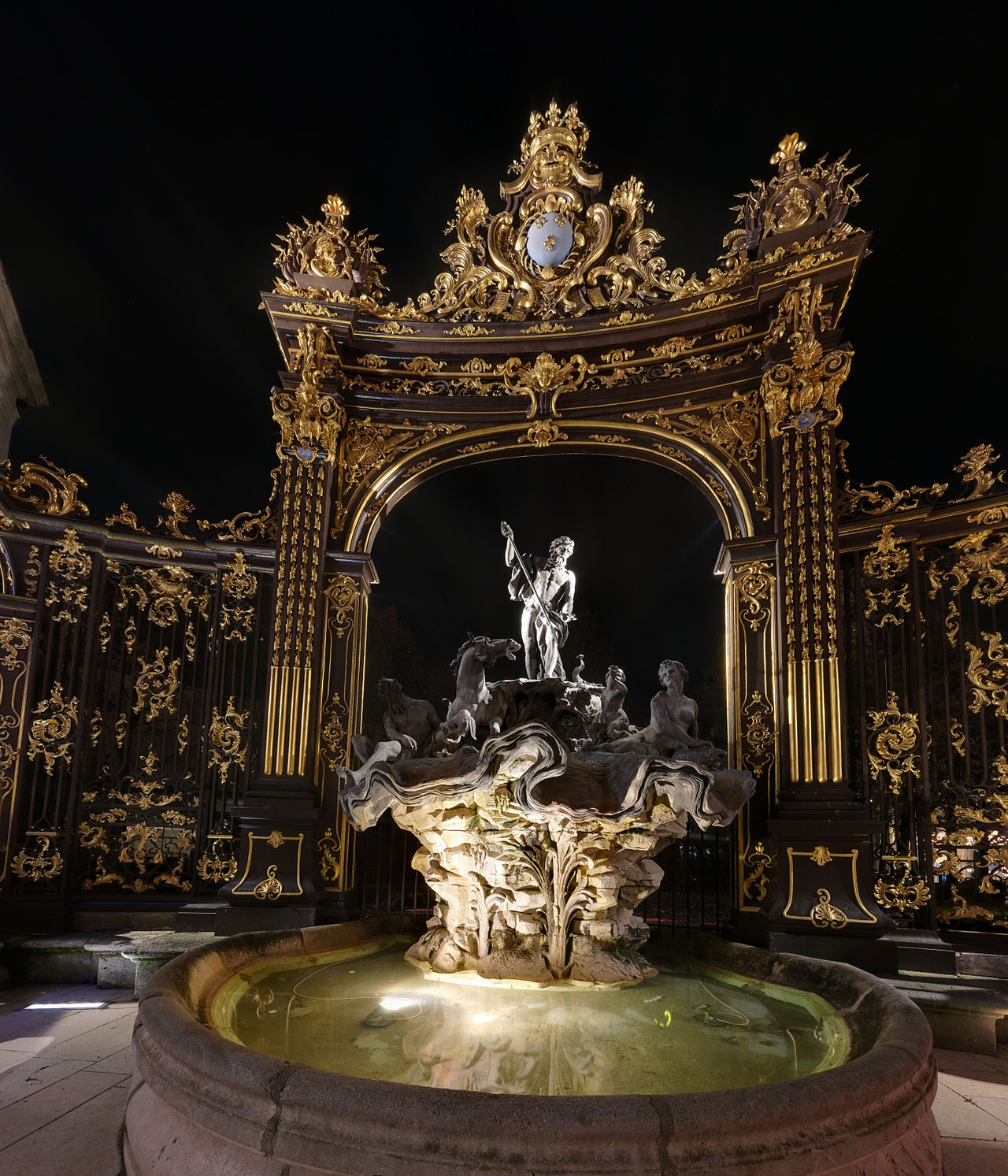



Geography and character
The territory combines river valleys, rolling plateaus and woodland. Rivers and rail connections have historically supported agriculture, mineral extraction and metallurgy, while also offering recreational corridors and waterways for towns. Typical features include small industrial towns, agricultural plains and pockets of preserved countryside.
History and development
Meurthe-et-Moselle was created in the late 19th century during the rearrangement of departments that followed the Franco-Prussian War, drawing on parts of older departments to form a new administrative unit. Its development was influenced by 19th- and 20th-century industrialisation: ironworking, steel production and related industries grew in the north, while other areas retained agricultural and artisanal traditions.
Culture, sites and economy
The prefecture, Nancy, is notable for an influential Art Nouveau movement, museums, and the UNESCO-recognised Place Stanislas vicinity. Other towns preserve military, industrial and noble heritage. The local economy today mixes manufacturing, services, research and tourism, with former industrial zones redeveloped for new uses.
Administration and places of note
- Administrative structure: divided into arrondissements and cantons, with sub-prefectures in key towns.
- Notable towns: Nancy, Lunéville, Toul and industrial centres such as Longwy and Briey.
- Transport and links: served by road and rail networks that connect to wider Grand Est and European corridors (regional transport).
For practical information on governance, tourism and public services consult official departmental resources and regional guides. Additional context and mapped data are available through regional portals and cultural heritage listings.
Questions and answers
Q: What is Meurthe-et-Moselle?
A: Meurthe-et-Moselle is a department in the Grand Est region of France.
Q: What is the origin of the name of Meurthe-et-Moselle?
A: Meurthe-et-Moselle is named after two rivers, the Meurthe and the Moselle.
Q: What is the capital of Meurthe-et-Moselle?
A: The capital of Meurthe-et-Moselle is Nancy.
Q: What is a prefecture?
A: A prefecture is a district which has its own administration in France.
Q: Which region of France is Meurthe-et-Moselle located in?
A: Meurthe-et-Moselle is located in the Grand Est region of France.
Q: Which rivers are named after the Meurthe and Moselle rivers?
A: No information is given in the text about any rivers being named after the Meurthe and Moselle rivers.
Q: What is the significance of the Meurthe and Moselle rivers?
A: No information is given in the text about the significance of the Meurthe and Moselle rivers.
Related articles
Author
AlegsaOnline.com Meurthe-et-Moselle Leandro Alegsa
URL: https://en.alegsaonline.com/art/64300
Sources
- meurthe-et-moselle.fr : "Le président"
- insee.fr : "Département de Meurthe-et-Moselle (54)"
- splaf.free.fr : "Historique de Meurthe-et-Moselle"
- peakbagger.com : "Roc de Taurupt, France"
- weatherbase.com : "Nancy, France - Köppen Climate Classification"
- insee.fr : "Département de Meurthe-et-Moselle (54) et Arrondissements"
- legifrance.gouv.fr : "Décret n° 2014-261 du 26 février 2014 portant délimitation des cantons dans le département de Meurthe-et-Moselle"
- habitants.fr : "Habitants du départment: Meurthe-et-Moselle"