
Mercury(II) sulfide (HgS): properties, forms, uses, and safety
Mercury(II) sulfide (HgS), known as cinnabar or mercuric sulfide, is a naturally occurring mercury ore and historically important pigment; it has distinct polymorphs and poses significant toxicity risks.
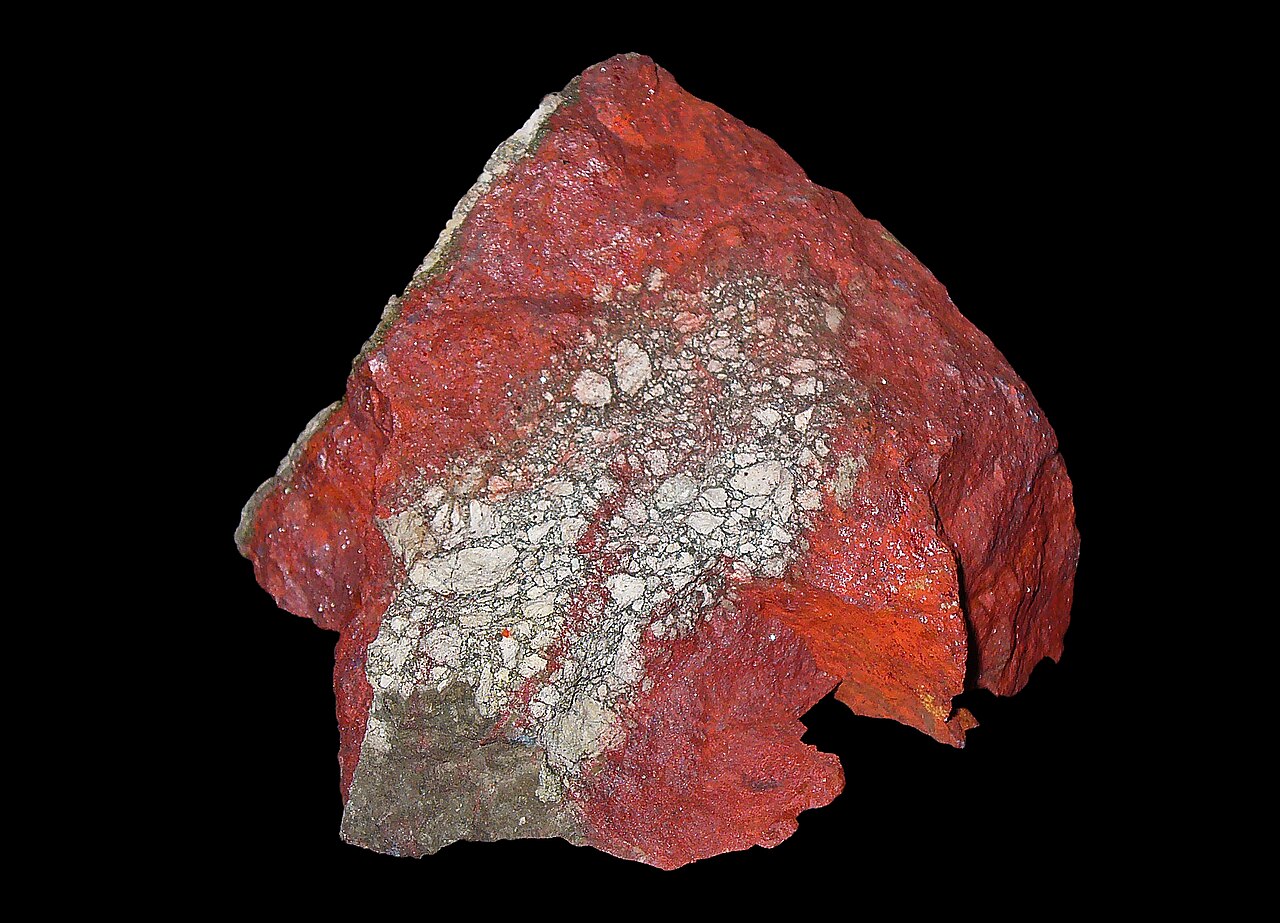
Mercury(II) sulfide is an inorganic compound with the formula HgS. In nature it commonly occurs as the red mineral cinnabar, the principal ore of mercury. Chemically it contains mercury in the +2 oxidation state bound to sulfide (S2−). For a concise overview see compound information.
Image gallery
6 Images



Physical and chemical characteristics
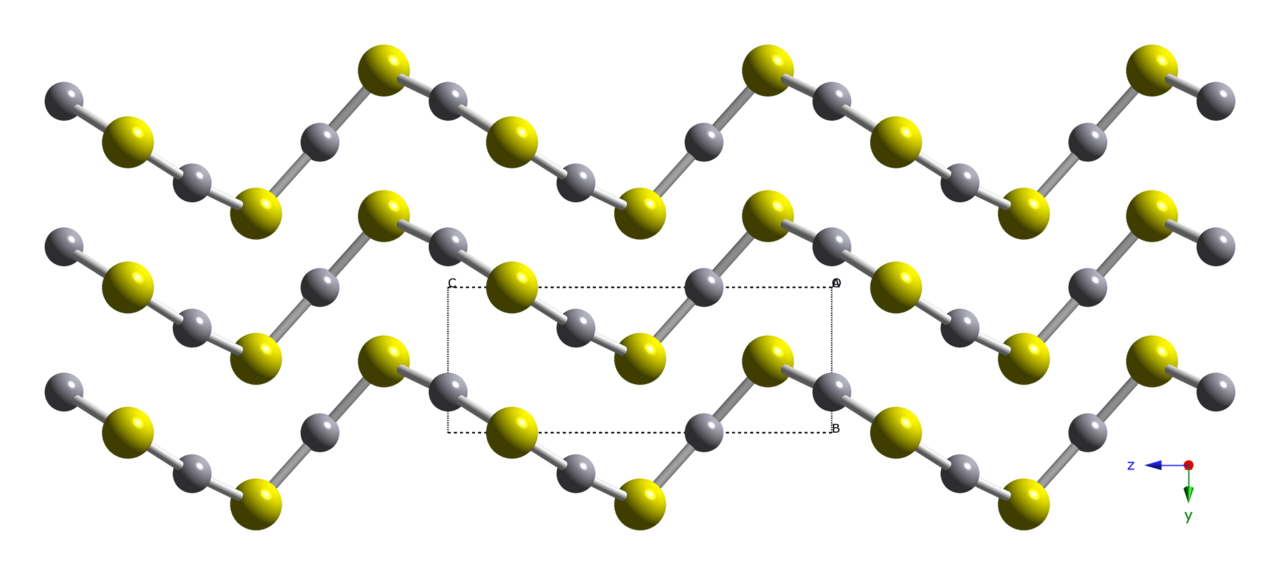
HgS shows two well known polymorphs: a red, trigonal form called cinnabar and a black, cubic form called metacinnabar. The red form is dense, has a distinctive deep red color and a crystal habit often forming granular or massive deposits. The compound is essentially insoluble in water and relatively stable in ordinary conditions, but it decomposes on strong heating, releasing toxic mercury vapors. For details on its ionic components see mercury ions and sulfide.
History, occurrence and extraction
Cinnabar has been mined for centuries as the main source of elemental mercury; historical miners roasted HgS to drive off sulfur and recover metallic mercury. It is typically found in hydrothermal veins and near volcanic regions where mercury-bearing fluids precipitate sulfide minerals. Geologists and chemists often note the mercury +2 state; further background is available at oxidation state references.
Uses and cultural significance
Beyond ore production, powdered red HgS was the basis for the pigment vermilion used in painting, decoration, and lacquerware across many cultures. It also appears in historical medicines and ritual practices, though such uses carried health risks. Modern applications are limited because of toxicity and the availability of safer pigments and reagents.
Key practical points include:
- Primary use historically: source of elemental mercury and pigment.
- Two major forms: red cinnabar (hexagonal/trigonal) and black metacinnabar (cubic).
- Low solubility but hazardous when heated or ingested due to mercury exposure.
Because of the health dangers associated with mercury, handling and disposal are strictly regulated in many jurisdictions. For authoritative safety and technical references consult further reading.
Questions and answers
Q: What is mercury(II) sulfide?
A: Mercury(II) sulfide is a chemical compound that contains mercury and sulfide ions.
Q: What are some other names for mercury(II) sulfide?
A: Other names for mercury(II) sulfide include cinnabar, mercuric sulfide, and mercury sulfide.
Q: What is the chemical formula for mercury(II) sulfide?
A: The chemical formula for mercury(II) sulfide is HgS.
Q: What is the oxidation state of mercury in mercury(II) sulfide?
A: The oxidation state of mercury in mercury(II) sulfide is +2.
Q: Does mercury(II) sulfide contain any sulfide ions?
A: Yes, mercury(II) sulfide contains sulfide ions.
Q: What is the molecular weight of mercury(II) sulfide?
A: The molecular weight of mercury(II) sulfide is 232.66 g/mol.
Q: Is mercury(II) sulfide soluble in water?
A: Mercury(II) sulfide is insoluble in water.
Related articles
Author
AlegsaOnline.com Mercury(II) sulfide (HgS): properties, forms, uses, and safety Leandro Alegsa
URL: https://en.alegsaonline.com/art/63941