
Mesothelioma: overview, causes, diagnosis, and treatment
Mesothelioma is a rare cancer of the mesothelial lining, most often caused by asbestos exposure. This article covers types, symptoms, diagnosis, therapies, prognosis, and legal and occupational considerations.
Mesothelioma is a malignant tumor that arises from the mesothelium, a thin membrane lining the body’s cavities and internal organs. Most commonly it affects the pleura (the lining around the lungs), but it can also develop in the peritoneum (abdomen), pericardium (heart sac) or the tunica vaginalis (testicular covering). Because it is uncommon and often detected late, mesothelioma presents particular diagnostic and management challenges.
Image gallery
6 Images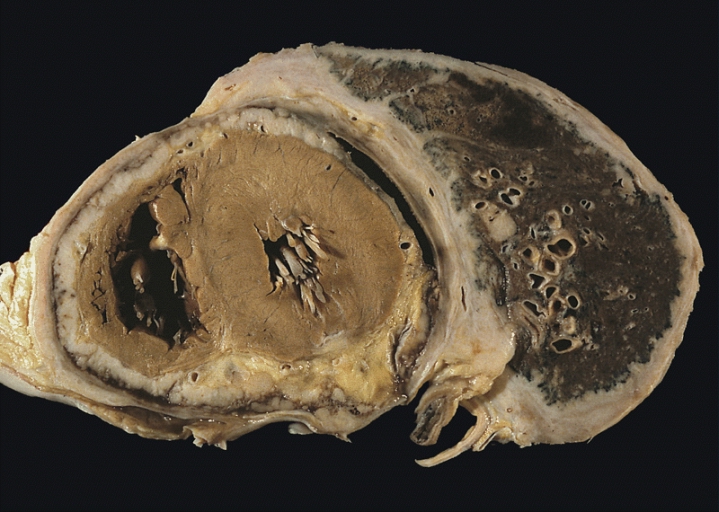


Types and microscopic patterns
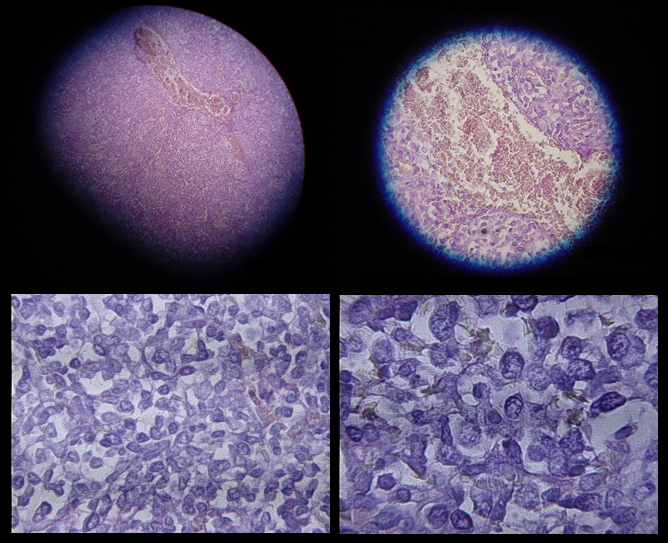
Pathologists classify mesothelioma by both location and cell type. Major histologic patterns include:
- Epithelioid — cells resemble epithelial tissue and generally carry a better outlook than other types.
- Sarcomatoid — spindle-shaped cells associated with a more aggressive course.
- Biphasic (mixed) — contains both epithelioid and sarcomatoid elements.
Causes and latency
Exposure to mineral fibers is the principal risk factor. In most industrialized countries a large share of cases is linked to asbestos exposure, occurring in occupational, environmental, or household settings. The disease typically develops many years or decades after fiber inhalation or ingestion, which explains why diagnoses are more common in older adults. Other potential contributors have been investigated, but none match the strength of association seen with asbestos.
Symptoms, diagnosis, and distinctions
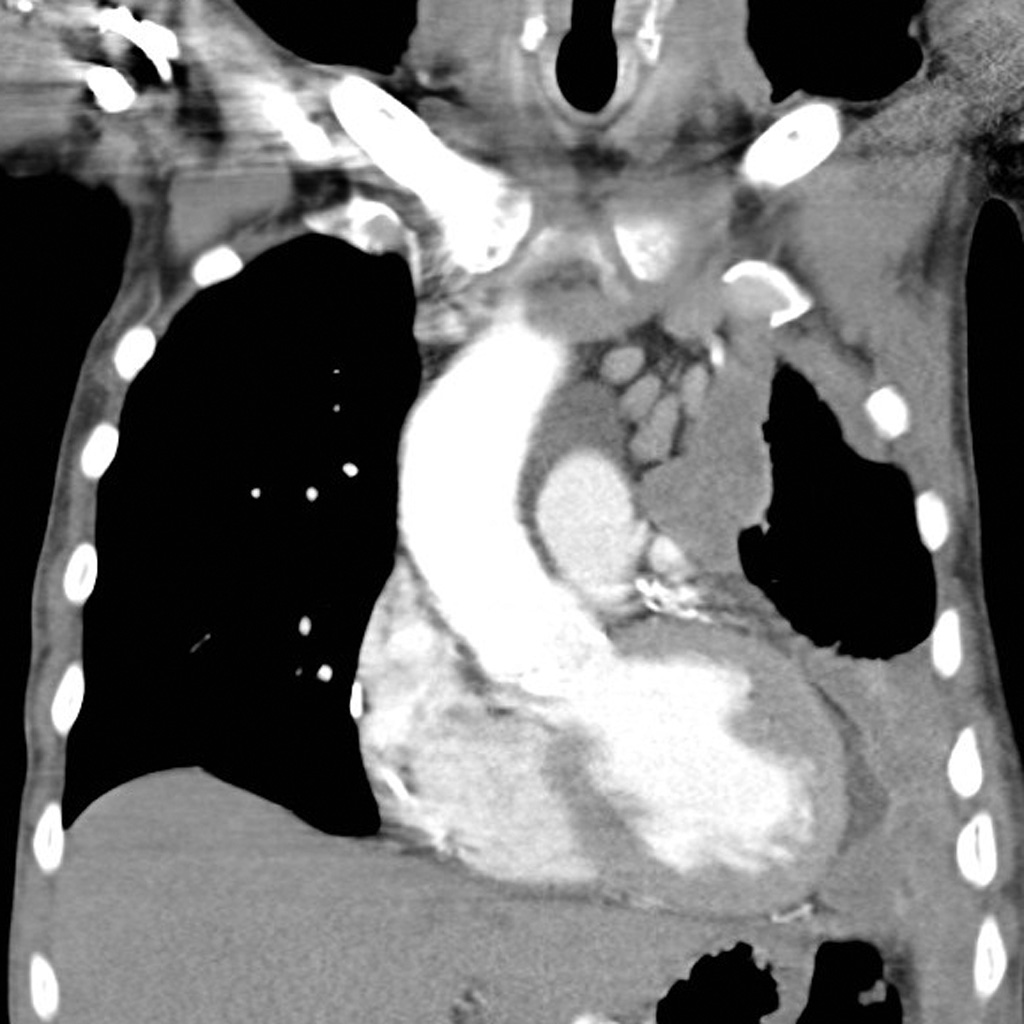
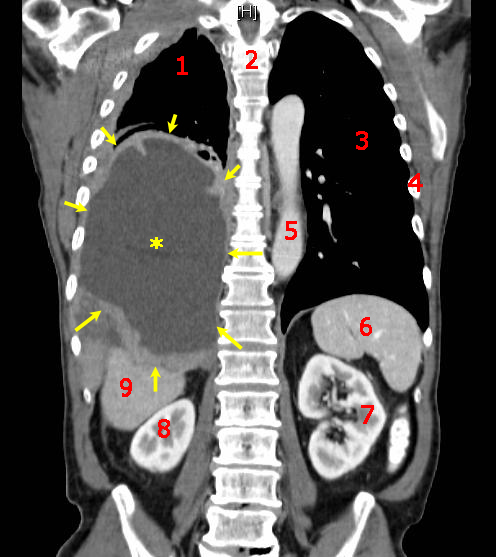
Symptoms vary by affected site. Pleural mesothelioma often causes chest pain, persistent shortness of breath and fluid accumulation (pleural effusion). Peritoneal disease may present with abdominal pain, swelling and changes in bowel habits. Initial evaluation uses imaging (chest X‑ray, CT, PET) and laboratory tests, but a tissue biopsy examined by histology and immunohistochemistry is required for a definitive diagnosis. Mesothelioma is distinct from asbestosis, which is a noncancerous, fibrotic lung disease also linked to asbestos.
Treatment approaches and prognosis
Therapy is often multimodal and tailored to disease stage, cell type and patient fitness. Options may include:
- Systemic chemotherapy (commonly combinations based on antifolate and platinum agents).
- Surgical procedures for selected patients, such as pleurectomy/decortication or extrapleural pneumonectomy for localized pleural disease.
- Radiation therapy for symptom control or to reduce local tumor burden.
- Emerging and targeted approaches, including immunotherapy in selected cases.
Overall prognosis is guarded; outcomes depend on stage at diagnosis, cell type and response to therapy. Early detection and specialized, multidisciplinary care are important for improving outcomes and quality of life.
Prevention, regulation and legal issues
Because most cases are linked to industrial or environmental fiber exposure, public health measures to limit asbestos use, reduce occupational exposure and enforce safety standards are central to prevention. Mesothelioma has also led to extensive litigation and compensation claims related to workplace exposure; see resources on legal remedies and patient support for further information (legal resources).
Despite progress in understanding and treating the disease, mesothelioma remains relatively rare and serious. Continued research focuses on earlier detection, better systemic therapies and strategies to reduce exposure risks worldwide.
Related articles
Author
AlegsaOnline.com Mesothelioma: overview, causes, diagnosis, and treatment Leandro Alegsa
URL: https://en.alegsaonline.com/art/64096