
Mercantilism: economic nationalism, bullion, and trade policy (16th–18th centuries)
Mercantilism was an early-modern economic doctrine that emphasized state control, bullion accumulation, a favourable balance of trade, colonies and protectionist policy in Europe from the 16th to 18th centuries.
Overview
Mercantilism refers to a family of economic ideas and state practices that were influential across much of Europe from roughly the 16th to the 18th century. At its core was the belief that national prosperity depended on the stock of precious metals and other monetary assets held by the state. Governments that followed mercantilist policy sought to increase national wealth and power by managing trade, promoting exports, restricting imports and securing colonial resources. For a concise summary, see mercantilism overview.
Image gallery
8 Images



Key characteristics
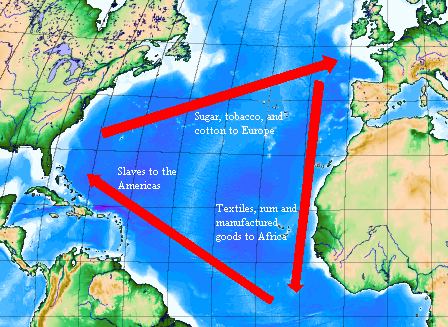
Mercantilist thought and practice included several recurring elements. States favored a positive balance of trade—exports exceeding imports—because that was believed to bring bullion and thereby strengthen the treasury. Governments intervened directly in the economy through tariffs, quotas, subsidies and monopolies to encourage exports and limit imports. Colonies often played an explicit role as sources of raw materials and as captive markets for manufactured goods. These features are discussed in related summaries and primary sources at historical documents and contemporary analyses.
- Bullionism: the view that gold and silver were the main measures of wealth.
- Trade balance focus: policy aimed at exporting more than importing.
- State intervention: use of tariffs, subsidies and charters to shape markets.
- Colonial policy: monopolies, restricted trade routes and resource extraction.
Historical development
Although the practices associated with mercantilism evolved over centuries, the term itself appeared later and was popularized in the late 18th century; writers such as Adam Smith criticized mercantilist ideas in works like The Wealth of Nations (1776). The label was applied retroactively to many earlier policies of European monarchies and states that sought to build fiscal capacity, fund standing armies and compete for global influence. For background on intellectual origins and early modern statecraft, see political context and military financing.
Mechanisms and examples
Practical instruments of mercantilism varied by country and period but commonly included tariffs on imports, bounties or subsidies to exporters, state-sponsored trading companies with exclusive rights, and legislation to control shipping and navigation. Well-known policies sometimes cited as mercantilist include navigation laws that prioritized national shipping, chartered monopolies such as early joint-stock companies, and regulations that limited colonial trade to the metropolitan power. Examples and archival materials are available at trade legislation, commercial corporations and colonial policy.
Uses, importance and economic rationale
For governments of the early modern period, mercantilist measures were appealing because they promised to raise revenue, support domestic producers, and supply materials for military and naval expansion. Rulers viewed economic policy as an instrument of statecraft: accumulating precious metals and creating a favourable trade position were means to finance armies, strengthen diplomacy and secure strategic ports. For discussions linking economic policy and state power, consult state-building studies and economic nationalism analyses.
Criticisms, decline and legacy
From the late 18th century onward, classical economists argued that wealth was not identical to hoarded bullion and that trade could be mutually beneficial rather than zero-sum. Critics highlighted inefficiencies created by protectionism, the costs of monopoly privileges, and the distortionary effects of heavy regulation. Over time many states relaxed strict mercantilist rules in favor of freer trade and market-oriented policies, though some protectionist instincts persisted. For critiques and the transition to classical economics, see economic critiques, Smithian responses and later policy shifts.
While modern economic theory and global institutions have moved well beyond classical mercantilist prescriptions, interest remains in its role in shaping early modern state formation, colonial empires, and the historical pathways that led to contemporary trade systems. Scholars continue to study how mercantilist-era institutions influenced long-term economic and political development.
Related articles
Author
AlegsaOnline.com Mercantilism: economic nationalism, bullion, and trade policy (16th–18th centuries) Leandro Alegsa
URL: https://en.alegsaonline.com/art/63864
Sources
- econlib.org : "Mercantilism"