
Protectionism (trade policy)
Protectionism is a set of government measures that restrict or discourage imports to support domestic producers; this article explains tools, history, economic arguments, and modern examples.
Overview
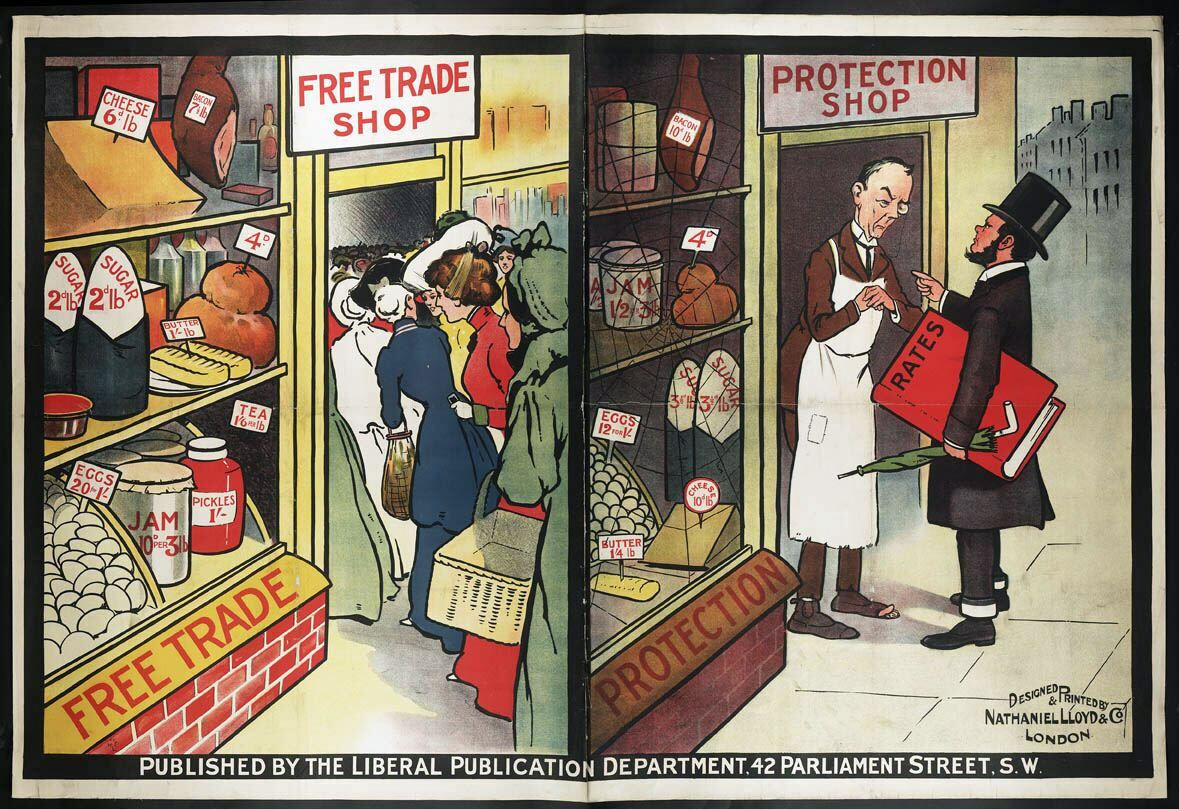
Protectionism refers to government policies that seek to limit or reshape cross-border trade in order to favor domestic producers and industries. Rather than allowing unrestricted flows of goods and services, protectionist measures make some foreign products more expensive, harder to import, or subject to special rules. The goal can be to protect jobs, preserve strategic industries, raise government revenue, or achieve political objectives. Protectionism contrasts with free trade, which emphasizes minimal barriers and open markets.
Image gallery
9 Images



Common tools and mechanisms
Governments use a variety of instruments to implement protectionist aims. Typical tools include:
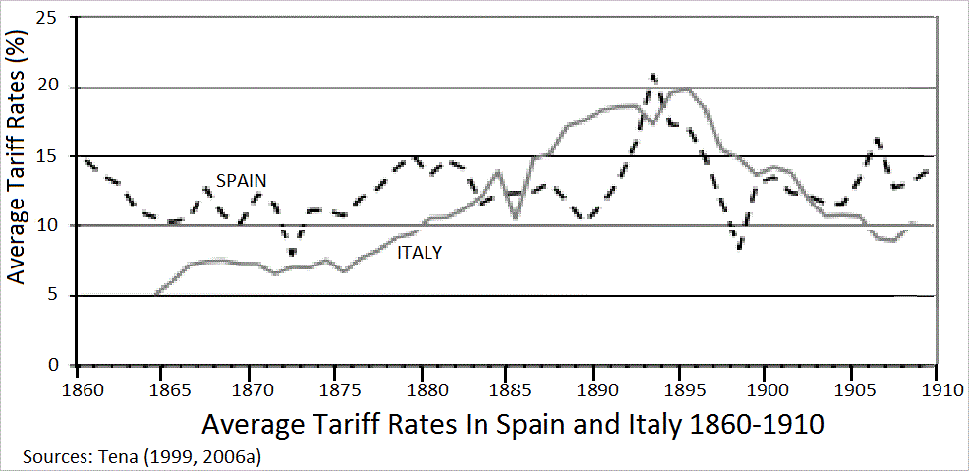
- Tariffs — taxes on imports that raise the price of foreign goods relative to domestic alternatives. Tariffs also generate revenue for the state; see tariffs for more context.
- Quotas — quantity limits on how much of a given product can be imported during a period.
- Subsidies — direct or indirect financial support to domestic producers to improve their competitiveness.
- Import licensing and customs procedures — administrative barriers or paperwork that slow or restrict incoming goods.
- Standards and regulations — technical, sanitary, or environmental rules that effectively block some foreign products.
- Local content and procurement rules — requirements that public contracts or product inputs come from domestic sources.
History and development
Ideas related to protectionism go back centuries. One historical variant, mercantilism, emphasized building trade surpluses and state strength through heavy controls on trade. During the 19th and early 20th centuries many countries mixed protectionist and liberal policies as they industrialized. A well-known episode in the United States was the passage of the Hawley-Smoot Tariff in 1930, which sharply raised tariffs and was followed by retaliatory measures; scholars often discuss its effects in relation to the Great Depression, though interpretations vary.
Economic arguments and effects
Supporters of protectionism advance several arguments. They claim it defends nascent industries from foreign competition (the "infant industry" argument), preserves employment in sensitive sectors, ensures national security for critical goods, and prevents dumping—when foreign producers sell below cost to capture markets. Critics counter that protection raises consumer prices, reduces choice, encourages inefficient domestic firms to persist, and can provoke retaliatory trade measures from other countries, sometimes escalating into a trade war.
Examples, distinctions and contemporary context
In practice, protectionist measures appear in agriculture, steel, textiles, technology sectors, and elsewhere. Trade policy is rarely purely protectionist or purely free trade; most economies operate a mix of open-market agreements and selective protections. The term "protectionism" overlaps with but is distinct from broader economic nationalism, which may include immigration or industrial policy. Debates about protectionism continue today amid concerns over job displacement, supply-chain resilience, and geopolitical competition. Governments also negotiate rules and dispute procedures through international frameworks to limit unilateral protectionist actions while preserving policy space for legitimate public goals. For discussions of basic trade flows, see imports.
Because the effects of protection depend on context—industry structure, consumer preferences, international responses, and enforcement—economists and policymakers weigh short-term political and social benefits against long-term efficiency and growth considerations when assessing protectionist measures.
Further reading can explore historical case studies, the mechanics of specific instruments such as tariffs, and the role of multilateral institutions in shaping modern trade rules.
Related articles
Author
AlegsaOnline.com Protectionism (trade policy) Leandro Alegsa
URL: https://en.alegsaonline.com/art/79509