
Melville Island (Yermalner) — Tiwi Islands, Northern Territory
Melville Island (Yermalner) is the larger of the Tiwi Islands off northern Australia. It is sparsely populated, ecologically varied, and central to Tiwi culture and art, with wetlands, mangroves and tropical woodlands.
Overview
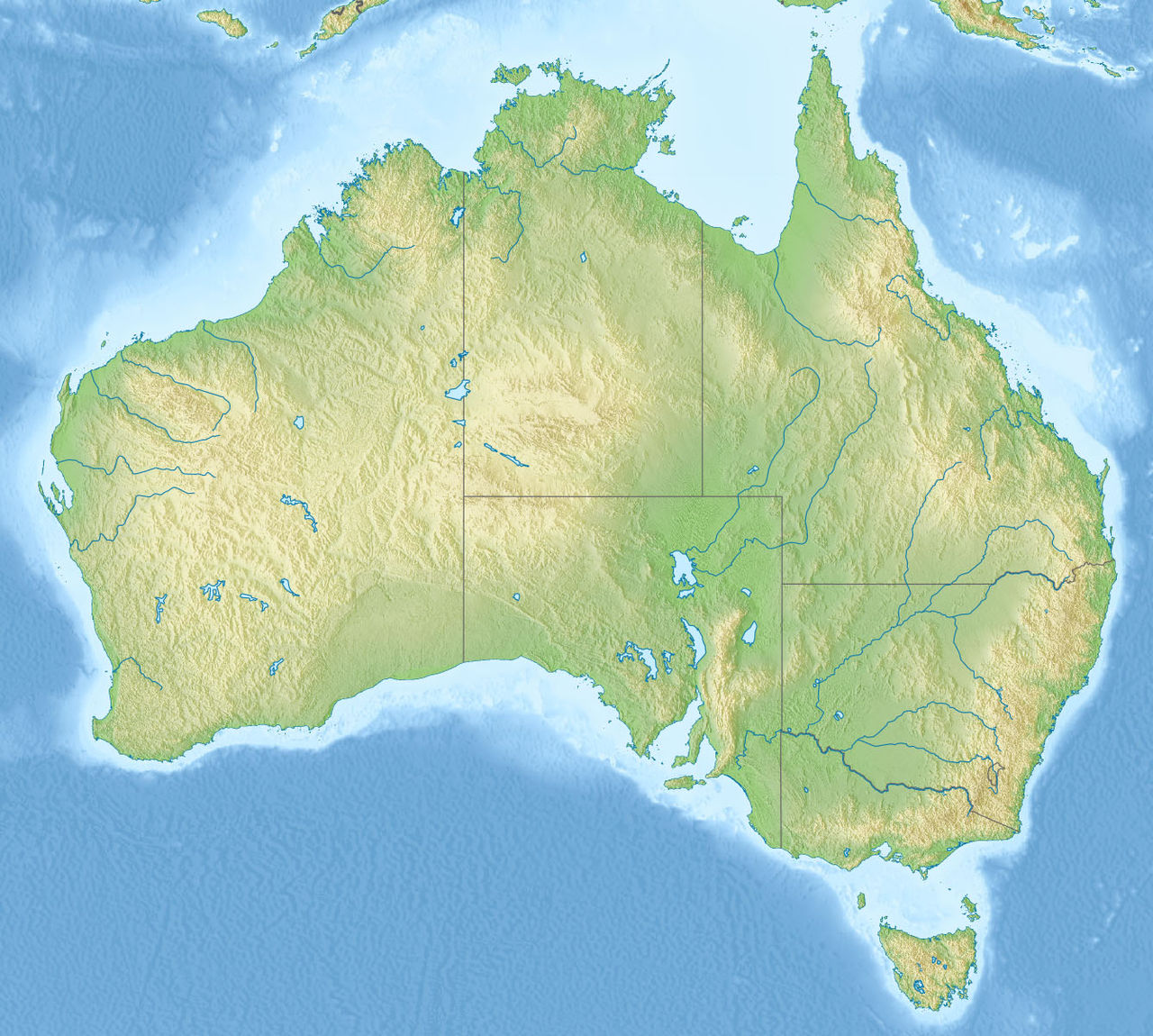
Melville Island, called Yermalner in the Tiwi language, lies in the eastern Timor Sea off the coast of Arnhem Land in the Northern Territory of Australia. At roughly 5,786 square kilometres it is the second-largest island in the country, after Tasmania. Melville and nearby Bathurst Island together form the Tiwi Islands, a distinct cultural and ecological region separated from the mainland by tidal channels and coastal waters.
Image gallery
4 Images


Geography and environment
The island is characterised by long tidal coastlines, intertidal flats and extensive mangrove stands, with inland areas of low, seasonally-inundated plains and patches of higher ground supporting tropical eucalypt and monsoon woodlands. The climate is tropical monsoonal: a hot, humid wet season typically brings heavy rains and cyclone risk, while a drier, cooler season produces clearer skies and lower humidity. These seasonal rhythms shape plant communities, animal behaviour and traditional activities.
Flora and fauna
Melville Island supports a range of coastal and terrestrial habitats that are important for fish, shorebirds, waterfowl and other wildlife. Mangroves and tidal flats act as nurseries for marine species, while woodlands and grasslands sustain reptiles, mammals and birds. Many species are shared with northern Australia generally; some sites also have cultural significance for food gathering and ceremony.
People, settlements and culture
The Tiwi people are the island's Indigenous owners and custodians. Tiwi culture remains strong and visible in language, ceremony, carving and painting. The main settlements on Melville are Milikapiti and Pirlangimpi (sometimes referred to as Garden Point). Small family outstations are dispersed around the coastline where people maintain close links with country and seasonal activities. Contemporary life on the island blends customary practice with local services such as schools, health centres and community organisations.
History and naming
European explorers and chart-makers applied the name Melville to the island in the early 19th century, in honour of Robert Dundas, 2nd Viscount Melville. Indigenous place names and creation stories predate that contact and continue to guide Tiwi relationships with country. A separate, much larger Melville Island in northern Canada shares the same European namesake but is otherwise unrelated.
Economy and services
The island economy is small-scale and locally focused. Key activities include small commercial and customary fishing, arts and craft production—Tiwi art is well known nationally—and public-sector services. Transport links are limited; access is normally by scheduled light aircraft, charter flights and occasional sea services. Essential goods and fuel are often sourced from the Northern Territory mainland.
Governance and land rights
Melville Island is administered as part of the Northern Territory and many aspects of local governance involve Indigenous organisations and representative bodies. Land tenure and the management of customary interests are important considerations in planning and service delivery, and local councils and land councils play central roles in decision-making.
Conservation and contemporary challenges
Conservation priorities include protecting mangroves, wetlands and important coastal habitats, while supporting sustainable livelihoods and cultural practices. The island faces practical challenges common to remote communities: maintaining infrastructure and services, managing biosecurity and invasive species, adapting to changing weather patterns and sea-level trends, and balancing economic development with cultural preservation.
Notable facts
- Second-largest Australian island after Tasmania, at about 5,786 km².
- Part of the Tiwi Islands together with Bathurst Island, with a distinct Tiwi cultural identity.
- Coastlines include extensive mangroves and intertidal flats of ecological and cultural importance.
Further information and links
For maps, regional context and more detailed entries, consult the following resources and organisations:
- Melville Island: general information and maps
- Timor Sea: marine and regional overview
- Northern Territory: administrative and regional details
- Australia: country context and geography
- Arnhem Land region: neighbouring mainland area
- Darwin: nearest major city and transport hub
- Tasmania: largest Australian island for comparison
- Robert Dundas, 2nd Viscount Melville: name origin
- Melville Island (Canada): same namesake, different region
- Tiwi people and Indigenous Australian contexts
- Tiwi creation stories and cultural history
- Family outstations and small community information
Related articles
Author
AlegsaOnline.com Melville Island (Yermalner) — Tiwi Islands, Northern Territory Leandro Alegsa
URL: https://en.alegsaonline.com/art/63706