
Memphis — ancient capital of Lower Egypt
Memphis was a major administrative, religious and economic centre of ancient Egypt near modern Cairo. Its ruins, temples and necropoleis document urban life and state formation from the Early Dynastic through New Kingdom eras.
Memphis was one of the principal cities of ancient Egypt, long serving as a political, religious and economic hub for the Nile Delta and the country as a whole. Founded in the Early Dynastic period, it reached great prominence in the Old Kingdom when royal administration and pyramid construction consolidated central authority. The city was the capital of the first nome of Lower Egypt and continued to function as an important administrative centre throughout long stretches of Egyptian history.
Image gallery
10 Images




Name and location
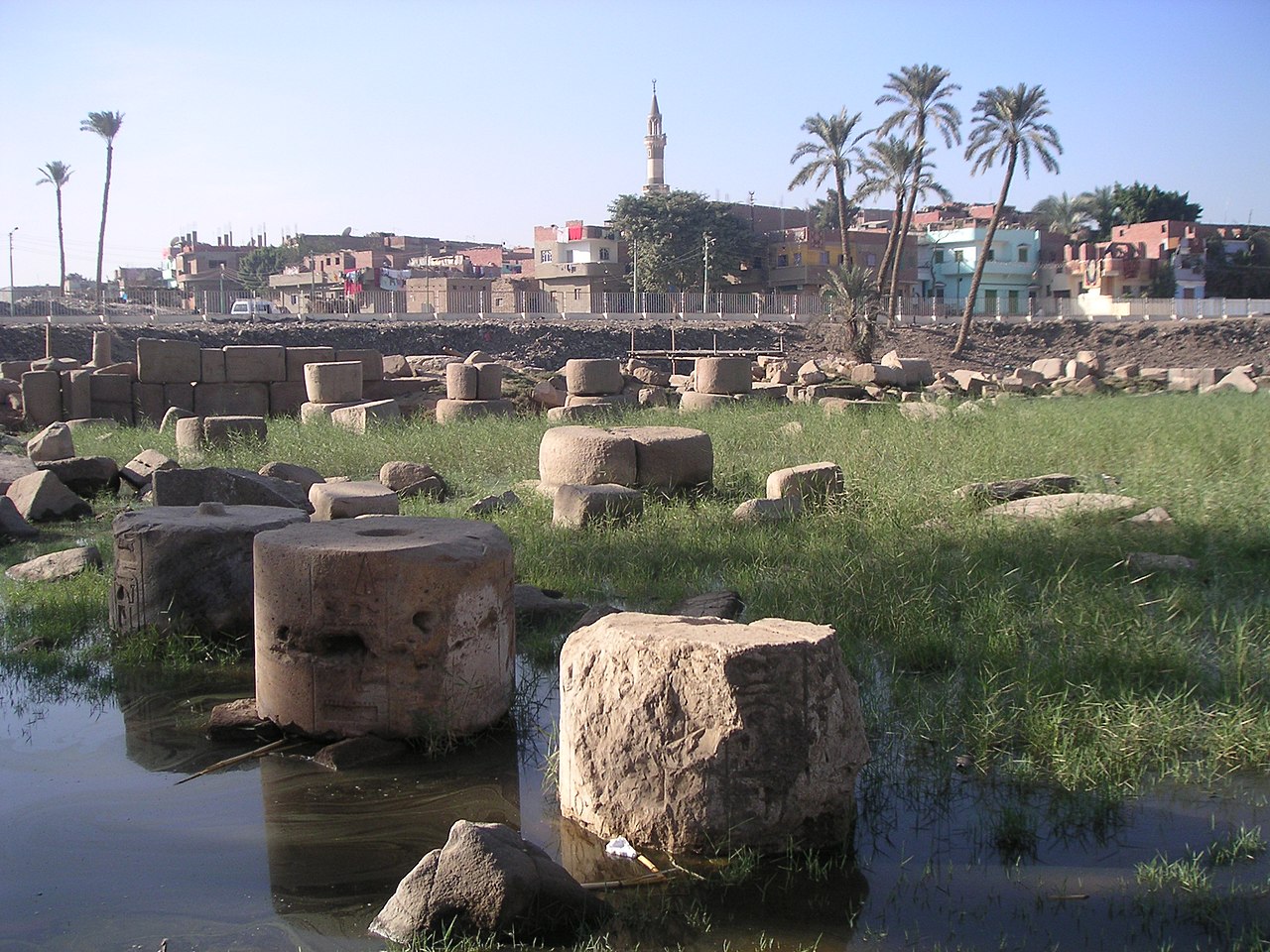
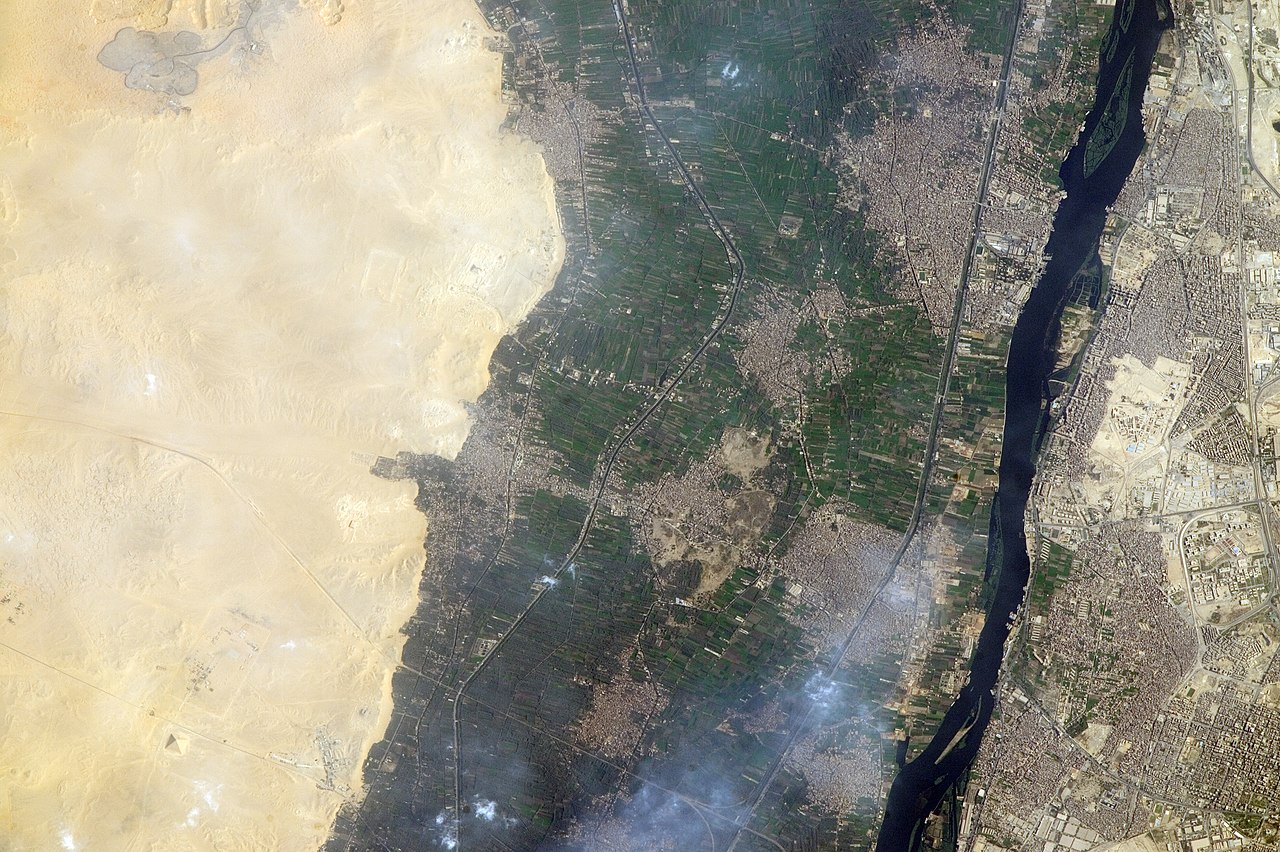
The ancient Egyptian name of the city was Ineb Hedj, often translated as “The White Walls.” The Greek name Memphis is a rendering of Men-nefer, the name associated with a royal pyramid later rendered in Coptic as Menfe. In Egyptian tradition the city was also called Ankh Tawy, “That which binds the Two Lands,” reflecting the strategic location linking Upper Egypt and Lower Egypt. The ruins lie on the west bank of the Nile, about twenty kilometres south of modern Cairo, and the wider ancient territory included major pyramid fields and necropoleis.
Historical development
Memphis emerged as a royal seat in the earliest centuries of pharaonic history and retained a central role through the Old Kingdom, the period of large-scale pyramid building. As Egypt’s political centre shifted over millennia—most notably toward Thebes during the Middle and New Kingdoms—Memphis nonetheless continued to host royal residences at times and remained an important centre for governance, economy and ritual life. The city’s fortunes rose and fell with the rhythms of centralisation and decentralisation in Egyptian state formation.
Religion, economy and administration
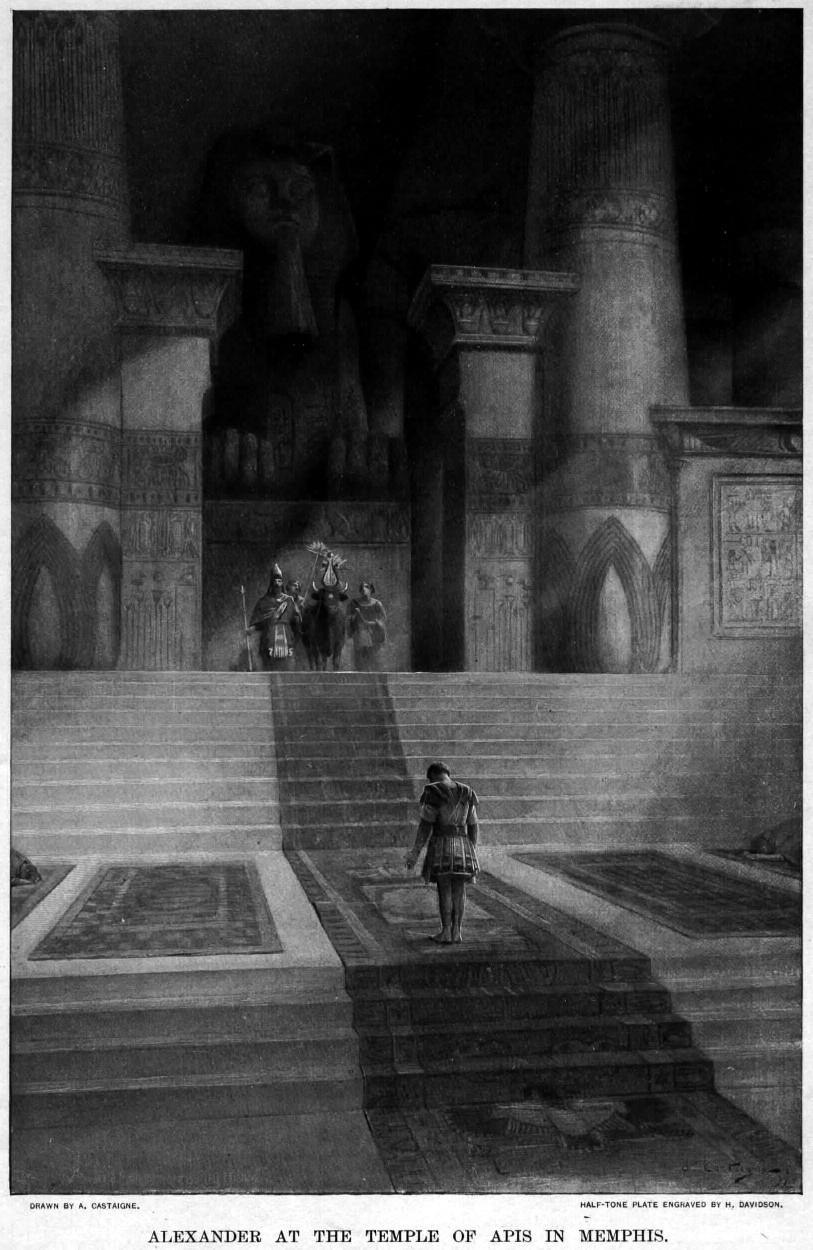
Religiously, Memphis was closely associated with the cult of Ptah, the creator god and patron of craftsmen; the city’s principal temple and its priesthood played a significant role in national ideology. Economically, Memphis’s location on river and overland routes made it a nexus for trade, craft production and storage. Large workshops, administrative offices and archives coordinated taxation, labour for state projects and the redistribution of goods across Egypt and beyond.
Monuments and necropoleis
The urban and ritual landscape of Memphis included monumental temples, colonnaded courts and colossal statuary. Its administrative area lay adjacent to important burial complexes such as Saqqara, Giza, Dahshur and Abusir; the royal pyramids of several dynasties, including the pyramid associated with Pepi I, are part of this wider field (Pepi I and related monuments). Excavations have revealed architectural fragments, reliefs and workshop remains that illuminate both elite and everyday aspects of ancient life.
Archaeology, conservation and legacy
Modern archaeological work around the site—particularly near the town of Mit Rahina—has produced major discoveries and established open-air displays and museums that interpret the city’s past. Finds from Memphis are held in collections around the world, and the site figures in national and international heritage initiatives aimed at research and conservation. Classical authors used the name Memphis in their histories, and the city appears in other textual traditions, including the Bible, where it is called Moph or Noph.
- Geographic role: a bridge between Upper Egypt and Lower Egypt along the Nile.
- Religious centre: temple of Ptah and associated priesthoods, with long ritual prominence in Ancient Egypt.
- Archaeological area: pyramid fields and necropoleis at Saqqara, Giza, Dahshur and Abusir, within the broader Memphis landscape.
For those seeking introductory resources and institutional entries, consult overviews of the nome system, studies of Old Kingdom administration, regional archaeological reports, and museum catalogues. General contextual materials include reviews of administrative centres, classical descriptions of Greek and Roman-era Memphis, surveys of pyramid archaeology such as the complexes associated with Pepi I, and linguistic notes from Coptic sources. Local and international heritage programmes coordinate conservation efforts near Cairo and along the Nile, while comparative studies examine Memphis’s role relative to Upper Egypt centres and its mention in external traditions including the Bible.
Questions and answers
Q: What was the ancient Egyptian name of Memphis?
A: The ancient Egyptian name of Memphis was Ineb Hedj ("The White Walls").
Q: Where is Memphis located in relation to Cairo?
A: Memphis is located 20 km (12 miles) south of Cairo, on the west bank of the Nile.
Q: When did Memphis serve as the capital city of Egypt?
A: Memphis served as the capital city of Lower Egypt's first nome and Old Kingdom from its foundation until around 2200 BC, and later for shorter periods during the New Kingdom.
Q: What other cities and towns are within the administrative borders of historical Memphis?
A: The modern cities and towns within the administrative borders of historical Memphis include Mit Rahina, Dahshur, Saqqara, Abusir, Abu Gorab, and Zawyet el'Aryan.
Q: How is "Memphis" written in Greek?
A: "Memphis" is written in Greek as Μέμφις.
Q: Why was Ancient Egypt known as Ankh Tawy?
A: Ancient Egypt was known as Ankh Tawy ("That which binds the Two Lands") because it was strategically positioned between Upper and Lower Egypt.
Q: What does Bible refer to Memphis as?
A: In the Bible, Memphis is referred to as Moph or Noph.
Related articles
Author
AlegsaOnline.com Memphis — ancient capital of Lower Egypt Leandro Alegsa
URL: https://en.alegsaonline.com/art/63753