
Artificial fly (fishing lure)
A manufactured fishing lure tied from thread, feathers and other materials to imitate aquatic food. Used in fly fishing, artificial flies range from realistic insect imitations to attractors and are made by fly-tying.
An artificial fly is a small, lightweight fishing lure designed to imitate insects, crustaceans, baitfish or other prey items to attract fish. Most commonly used in the sport of fly fishing, these lures are produced by a craft called fly tying, in which materials are bound to a fish hook to suggest a natural food item or to trigger an instinctive strike.
Image gallery
10 Images


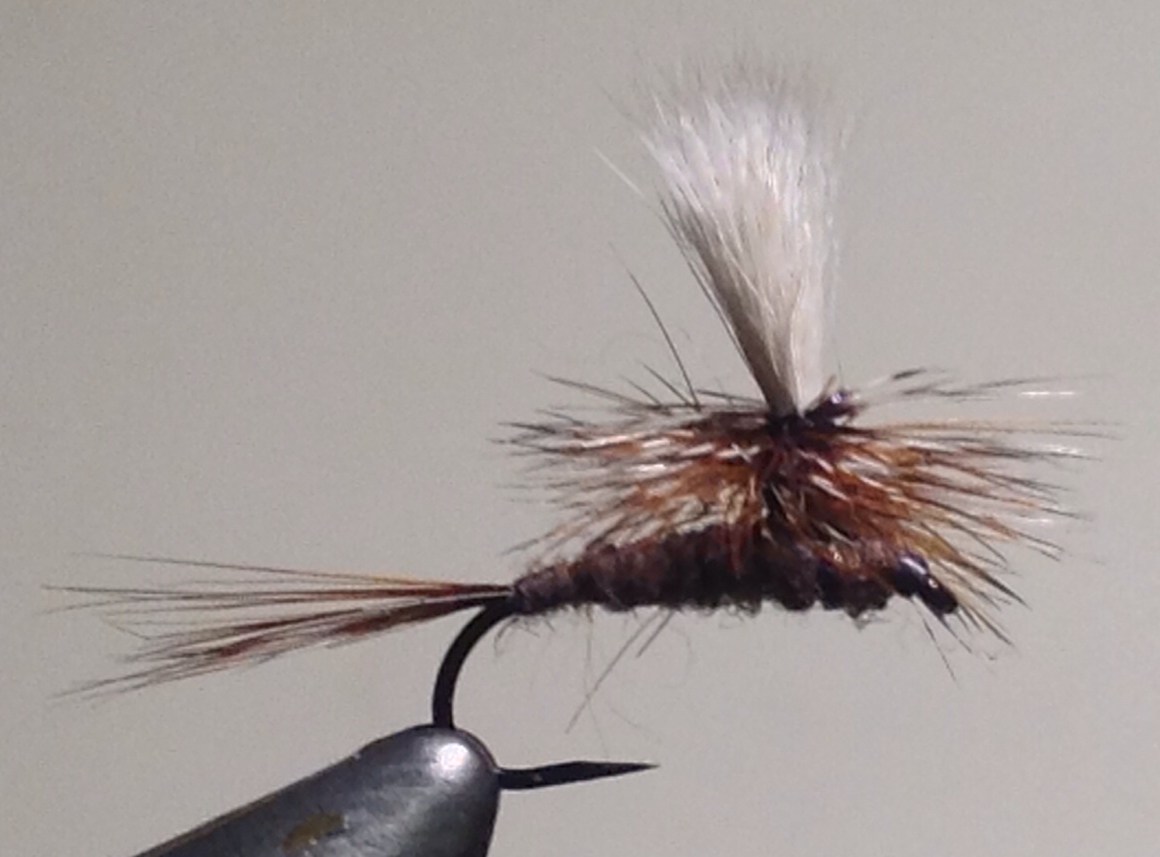


Components and materials
Typical flies are built on a hook and include a thread-wrapped body, a head, and often wings, tails or hackle (stiff feathers) that add silhouette and movement. Modern fly tying uses a mix of natural materials — such as feathers, fur and silk — and synthetic components — such as foam, rubber, flash fibers and weighted wire — to control buoyancy and action. Choice of hook size, weight and materials determines whether a fly floats (dry fly), sinks slowly (nymph), or swims like a small fish (streamer).
Major types and patterns
- Dry flies rest on the water surface and imitate adult insects.
- Nymphs mimic immature aquatic insects below the surface.
- Streamers represent small fish or leeches and provoke aggression.
- Wet flies and emergers occupy the surface film or just beneath it.
There are thousands of named fly patterns. Some are realistic imitations tied to match a specific insect life stage; others are "attractor" patterns that rely on color, flash or motion to entice strikes. Anglers often select flies by "matching the hatch" — choosing a fly that resembles locally abundant prey.
History and cultural context
Fly fishing and the use of artificial flies date back centuries, with refined fly patterns recorded in Europe and Asia long before modern sport fishing. Over time, techniques, materials and equipment evolved: early flies used only natural feathers and hair, while 20th-century developments introduced synthetics and standardized hooks. Fly tying became both a practical skill and a popular hobby, with clubs, books and competitions devoted to the art.
Uses, technique and notable facts
Artificial flies are used in freshwater and saltwater fisheries for trout, salmon, bass and many other species. Success depends on presentation, line control and understanding fish behavior as much as on the pattern itself. Conservation-minded anglers often use barbless hooks and gear designed to minimize harm. Fly patterns vary widely in size (from tiny midge imitations to large saltwater streamers) and in function: some float for long periods, others are weighted to reach the bottom quickly.
For further reading and pattern catalogs see general overview, techniques and rigs, materials and tools, freshwater patterns, saltwater flies, history of fly fishing and fly tying communities.
Related articles
Author
AlegsaOnline.com Artificial fly (fishing lure) Leandro Alegsa
URL: https://en.alegsaonline.com/art/6345
Sources
- cabelas.com : "Fly types"
- flyfishingforbeginners.com : "Flies"
- english-fly-fishing-flies.s3-website-eu-west-1.amazonaws.com : "An International Glossary of Fly Fishing Terms"
- commons.wikimedia.org : Artificial fly