
Fly fishing: techniques, tackle, history and conservation
Fly fishing is a casting method of sport fishing using artificial flies. This article explains gear, common techniques, historical development, target species, and conservation practices.
Overview
Fly fishing is a specialized form of sport fishing in which anglers present an artificial fly to a fish using a weighted fly line, a flexible rod, and skillful casting. Unlike conventional bait casting, fly fishing emphasizes imitation of natural prey and delicate presentation. It is practiced on rivers, lakes, estuaries and coastal waters and is prized for its technique, aesthetics and connection to the aquatic environment.
Image gallery
10 Images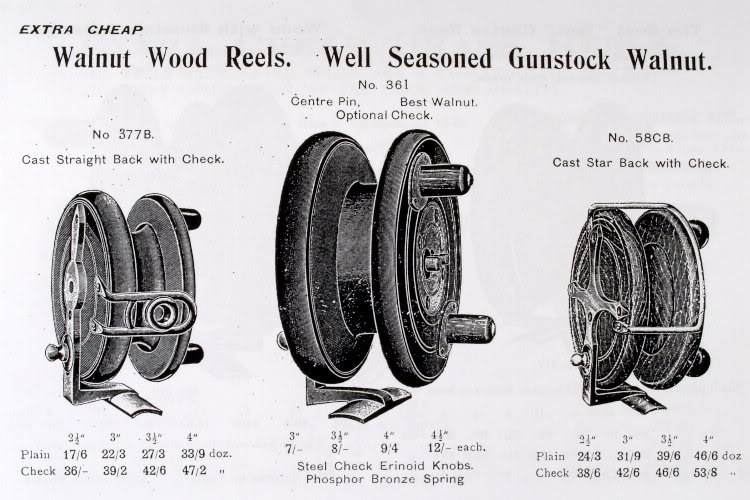



Equipment and flies
The basic components of fly-fishing tackle are straightforward but distinct from other angling styles:
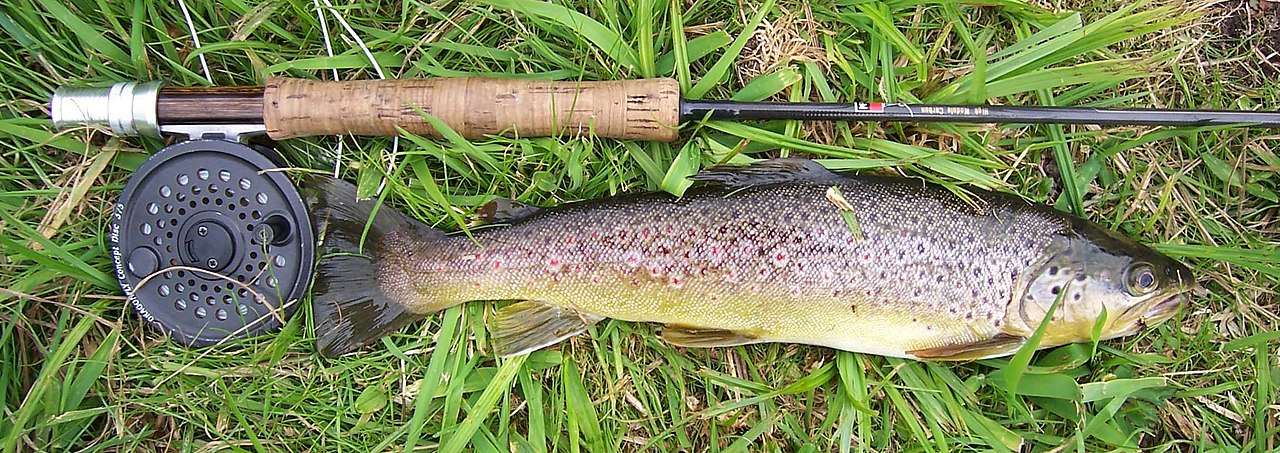
- Rod: typically long and flexible to load the line during a cast.
- Reel: stores line and provides drag when fighting fish.
- Fly line: heavier than ordinary fishing line to carry the fly.
- Leader and tippet: tapered, nearly invisible connections to the fly.
- Flies: artificial lures tied to imitate insects, minnows or other prey — made from natural or synthetic materials and presented dry, wet, or subsurface.artificial fly
Techniques and common patterns
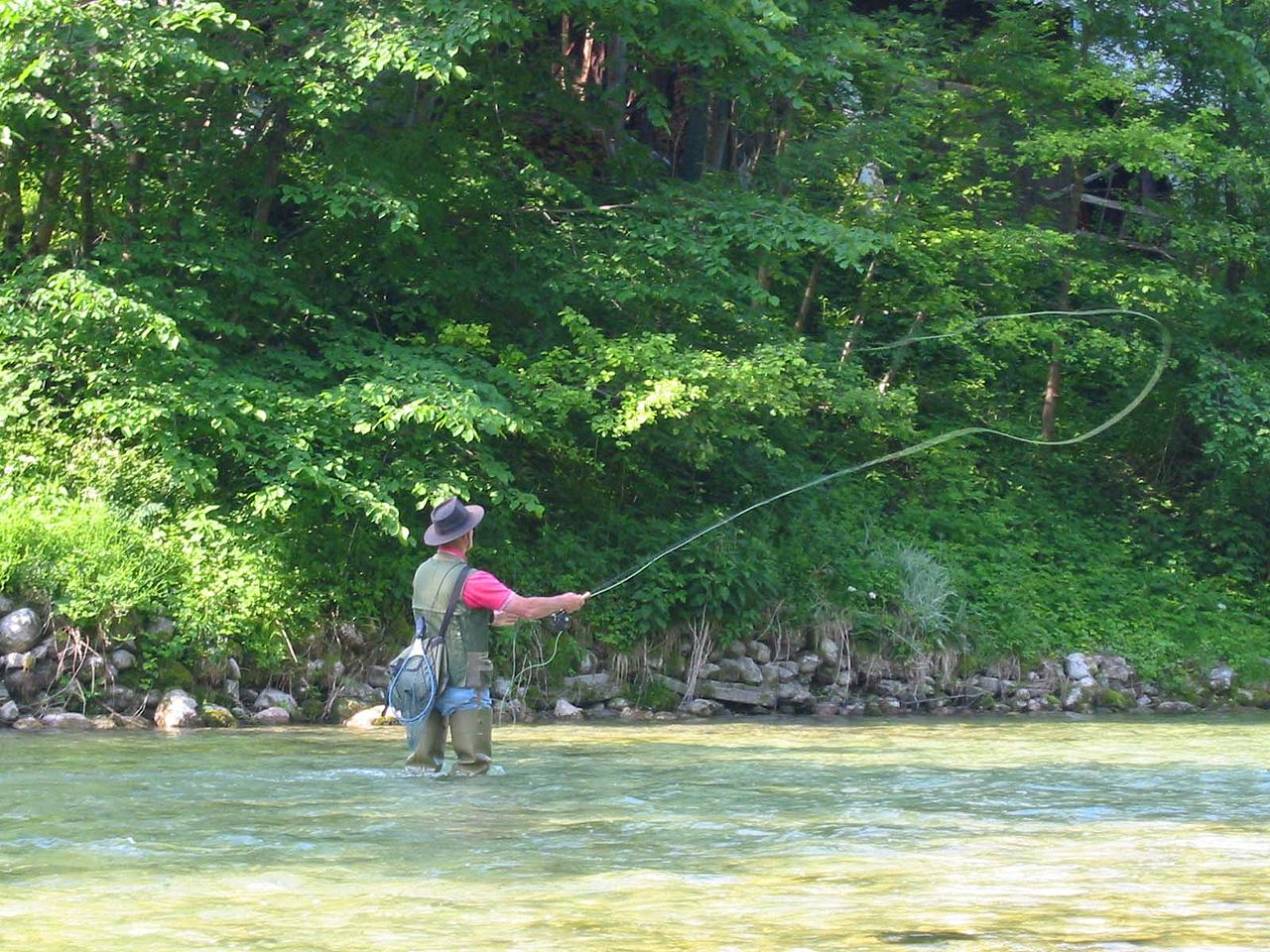
Anglers use a variety of approaches depending on target species and water conditions. Common methods include dry-fly fishing (presenting a floating fly on the surface), nymphing (subsurface insects), and streamer fishing (imitating small fish). Casting styles—such as the overhead cast, roll cast and spey cast—help place flies accurately and gently.
- Dry flies float and imitate adult insects.
- Nymphs represent aquatic insect larvae below the surface.
- Streamers mimic baitfish or larger prey.
History and development
Fly fishing has roots that span centuries and cultures. Techniques and tackle evolved from simple imitations to sophisticated rods, lines and hand-tied flies. Modern fly-fishing as a recreational sport was refined in Europe and North America during the 19th and early 20th centuries, leading to specialized equipment and published instruction.
Target species, values and conservation
Fly anglers pursue trout, salmon, bass, grayling and saltwater species such as bonefish and tarpon. Many practitioners emphasize selective harvesting, catch-and-release, habitat restoration and ethical practices to sustain fisheries and freshwater ecosystems. Fly fishing connects recreation with stewardship, promoting an appreciation for clean water and healthy aquatic life across both freshwater and marine environments.
For newcomers, instruction, guided trips and practice on casting and knot-tying are common ways to learn. Experienced anglers continue to innovate with new fly patterns, casting refinements and conservation efforts that keep the tradition alive.
Questions and answers
Q: What is fly fishing?
A: Fly fishing is a method of sport fishing that involves casting an artificial fly into a target area with a fly line and fly-fishing rod.
Q: What is the purpose of fly fishing?
A: The purpose of fly fishing is to catch fish, both freshwater and marine.
Q: What special equipment do fly fishermen and women use?
A: Fly fishermen and women use special equipment such as a fly-fishing rod, fly-fishing reel, fly-fishing line, and pitfalls which are made from natural or synthetic sling materials.
Q: What is an artificial fly?
A: An artificial fly is a type of lure that is used in fly fishing.
Q: How is an artificial fly used in fly fishing?
A: An artificial fly is cast into the target area with a fly line and fly-fishing rod in order to attract and catch fish.
Q: Can fly fishing be done in both freshwater and marine environments?
A: Yes, fly fishing can be done in both freshwater and marine environments.
Q: What is the difference between fly fishing and traditional fishing?
A: The main difference between fly fishing and traditional fishing is that fly fishing uses a specialized artificial fly and fly-fishing equipment, while traditional fishing uses bait or lures and conventional fishing gear.
Related articles
Author
AlegsaOnline.com Fly fishing: techniques, tackle, history and conservation Leandro Alegsa
URL: https://en.alegsaonline.com/art/35298