
H.M.S. Pinafore: Gilbert and Sullivan’s comic operetta
H.M.S. Pinafore is a two-act comic operetta by Gilbert and Sullivan, premiered in 1878. It satirizes class, authority and naval life and helped shape modern musical theatre with memorable songs and characters.
H.M.S. Pinafore, or The Lass That Loved a Sailor, is a two-act operetta created by librettist W. S. Gilbert and composer Arthur Sullivan. First staged at the Opera Comique in London on 25 May 1878, it ran for 571 performances and became an international sensation. The work mixes witty dialogue, pointed satire and melodic ensemble numbers to lampoon social rank, political office and the conventions of Victorian respectability.
Image gallery
10 Images
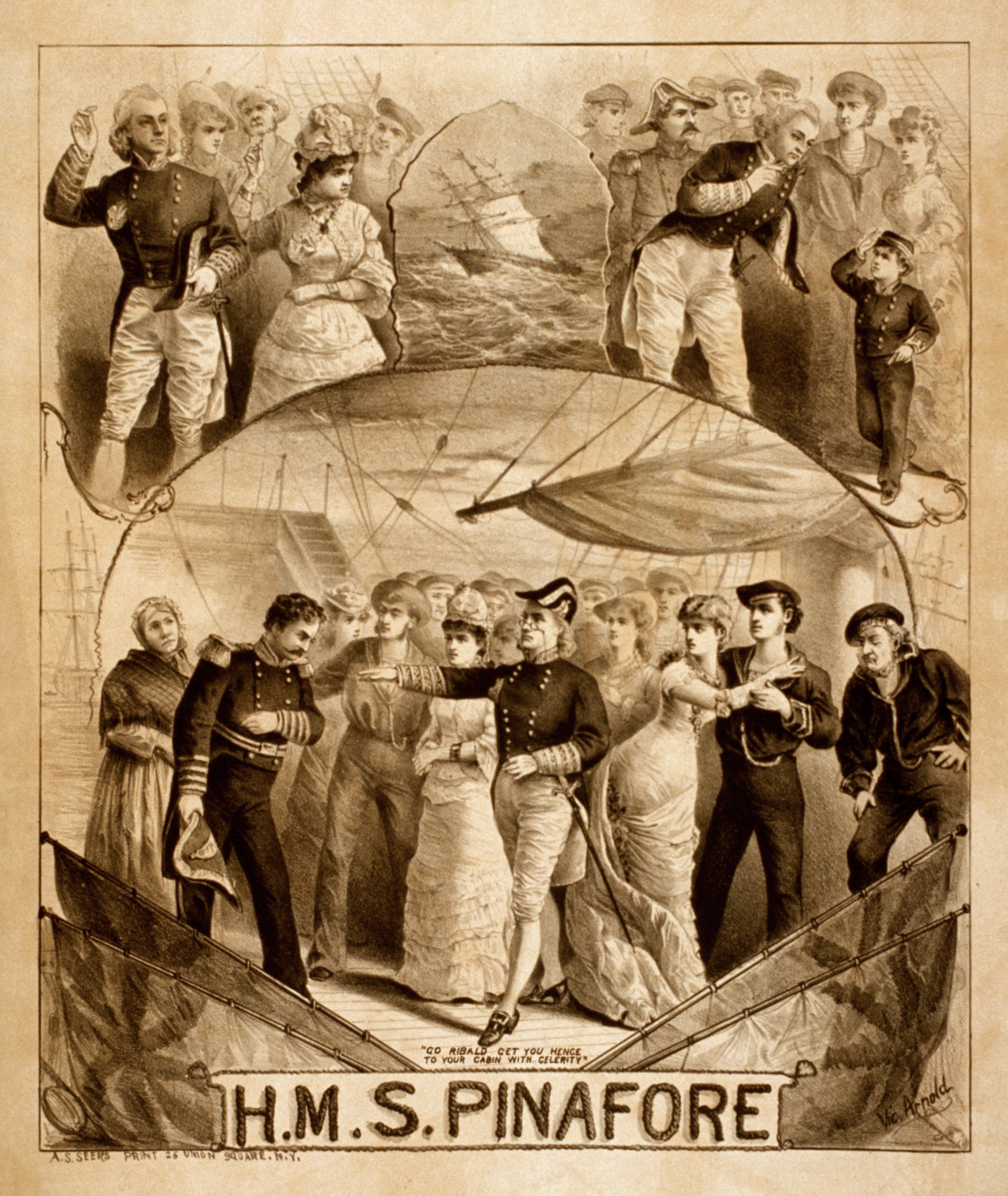


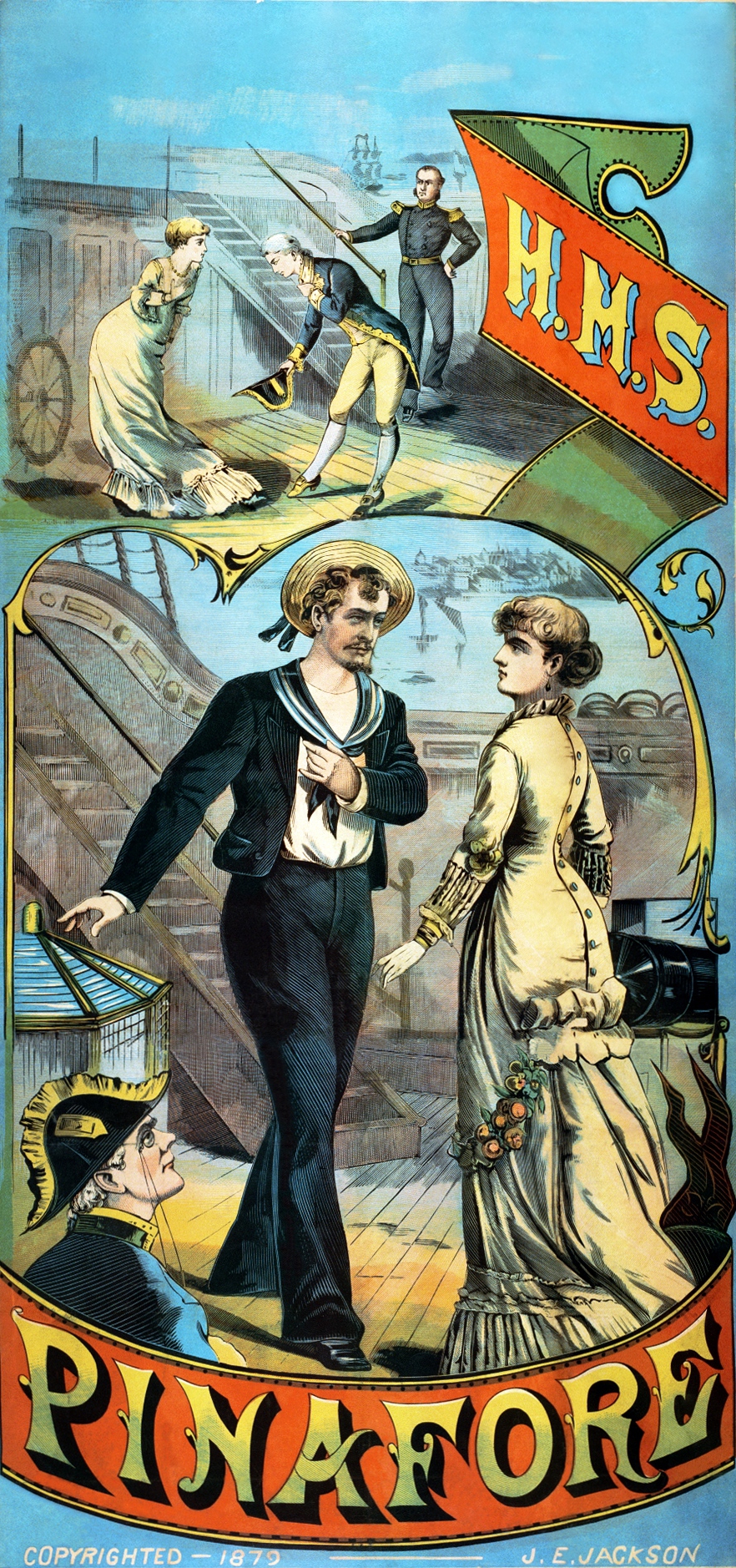

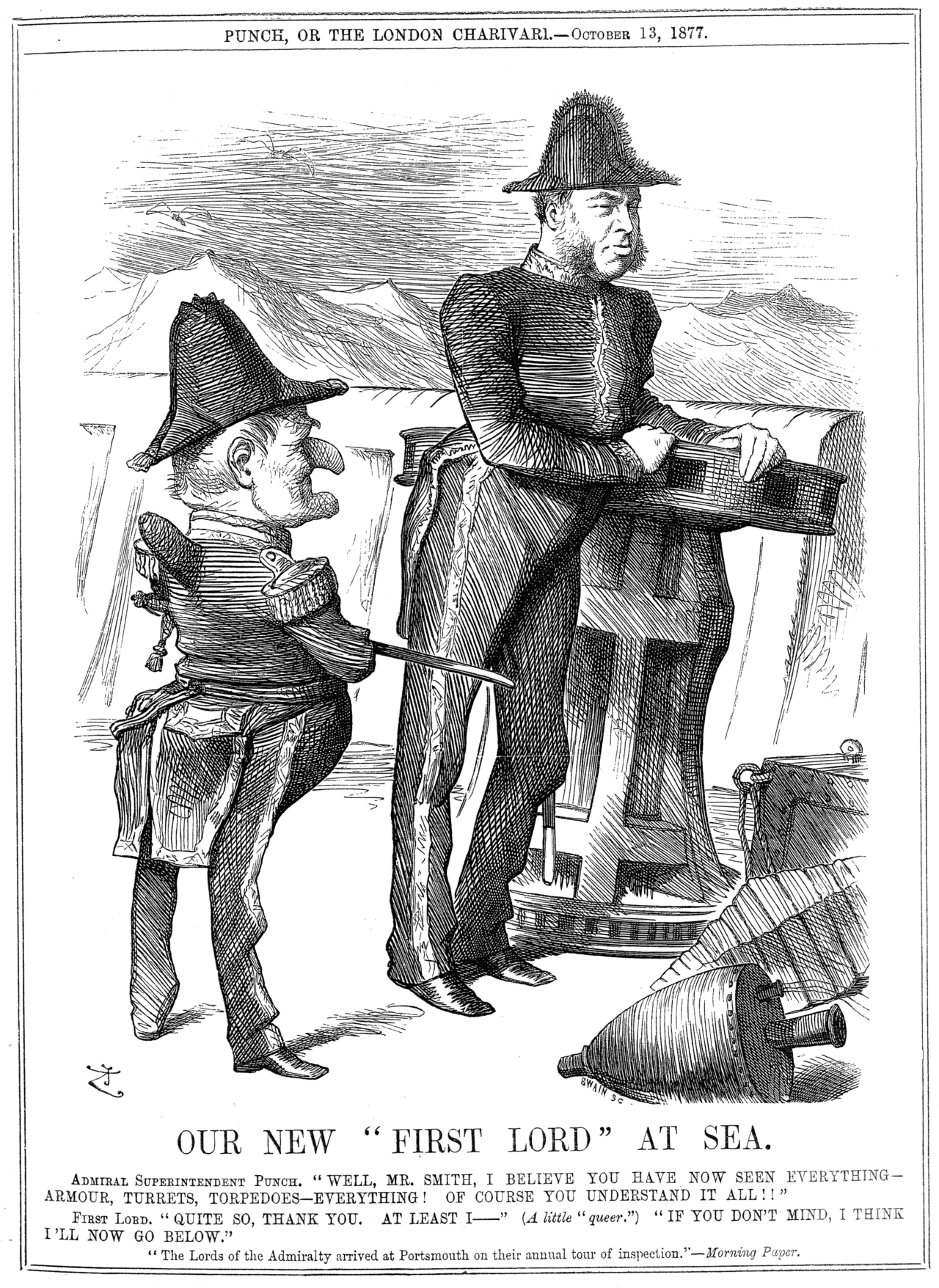


Overview and plot
The story centers on the romantic and comic entanglements aboard a British naval vessel. Key figures include Captain Corcoran, his daughter Josephine, the humble sailor Ralph Rackstraw, the high-ranking but ineffectual Sir Joseph Porter, and the mysterious Little Buttercup. Mistaken identities, social mismatches and a revelation about parentage resolve in a finale that upends the theatre’s expectations about class and merit.
Characters and notable numbers
- Principal characters: Josephine, Ralph Rackstraw, Captain Corcoran, Sir Joseph Porter, Little Buttercup.
- Familiar songs: patter and chorus pieces such as the captain’s and Sir Joseph’s comic speeches and the sailor choruses that celebrate duty and national character.
- The score mixes solo arias, ensemble pieces and brisk patter songs that highlight Sullivan’s tunefulness and Gilbert’s verbal wit.
Style and innovation
Pinafore exemplifies the operetta genre: light, satirical, and musically accessible. Gilbert’s topsy-turvy plotting and barbed social commentary combine with Sullivan’s memorable melodies to create sharply characterized numbers and efficient scene construction. The operetta helped popularize the patter song and established models for comic timing and ensemble writing that influenced later musical theatre.
Reception, influence and adaptations
The piece’s immediate popularity led to numerous provincial and international productions and unauthorized adaptations in the United States. Its influence extends to the development of British and American musical theatre traditions, inspiring later writers to blend witty book material with integrated songs. Revivals, recordings and staged productions continue to keep the work in the repertoire.
Further reading
For libretto, production history and critical commentary consult contemporary sources and modern studies of Gilbert and Sullivan. See the full libretto and background materials via libretto and texts, biographies and collaborative studies at Gilbert and Sullivan resources, and discussions of Pinafore’s impact on musical theatre at musical theatre histories.
Questions and answers
Q: Who wrote H.M.S. Pinafore?
A: H.M.S. Pinafore was written by Gilbert and Sullivan.
Q: What type of performance is H.M.S. Pinafore?
A: H.M.S. Pinafore is a two-act operetta.
Q: When did H.M.S. Pinafore premiere?
A: H.M.S. Pinafore premiered on 25 May 1878 at the Opera Comique in London, England.
Q: How many performances did H.M.S. Pinafore have?
A: H.M.S. Pinafore had 571 performances.
Q: Did H.M.S. Pinafore have international success?
A: Yes, H.M.S. Pinafore became an international success.
Q: What influence did H.M.S. Pinafore have on musical theatre?
A: H.M.S. Pinafore had great influence on the development of musical theatre in Britain and America.
Q: How many operettas did Gilbert and Sullivan write?
A: Gilbert and Sullivan wrote fourteen operettas, with H.M.S. Pinafore being their fourth.
Related articles
Author
AlegsaOnline.com H.M.S. Pinafore: Gilbert and Sullivan’s comic operetta Leandro Alegsa
URL: https://en.alegsaonline.com/art/41641