
Maurice Chevalier
French singer and actor famed for his jaunty stage persona, popular songs like “Louise” and film roles in The Love Parade and Gigi; a major 20th-century entertainer in cabaret and cinema.
Overview
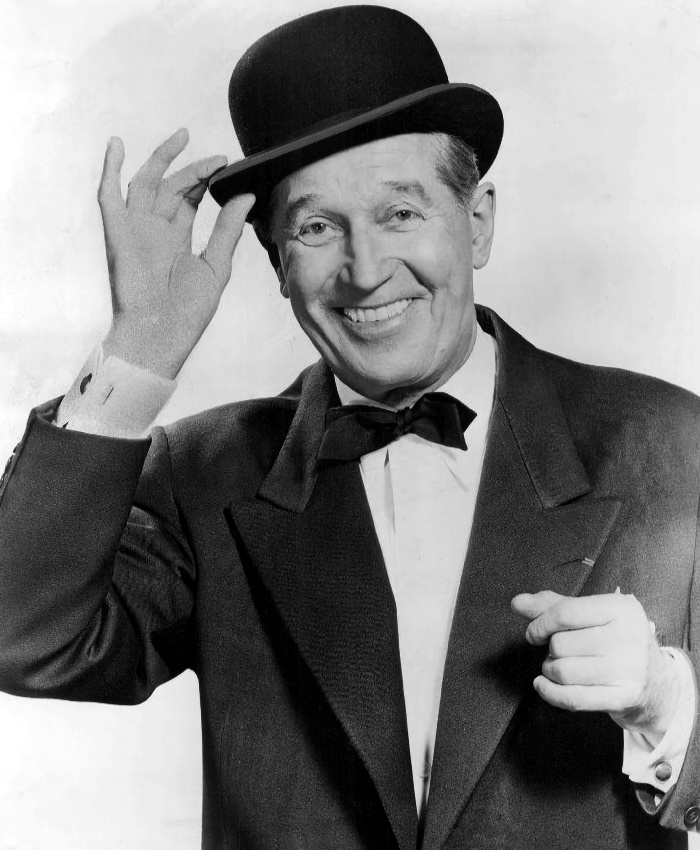
Maurice Chevalier (1888–1972) was a French entertainer whose smiling, debonair stage persona and straw boater hat made him one of the best-known popular performers of the 20th century. He built a career as a cabaret singer and stage actor in Paris before becoming an international film star, noted for a relaxed vocal style, light romantic songs, and comic roles that often mixed sophistication with gentle cheekiness. His repertoire included memorable tunes such as "Louise," "Mimi," "Valentine," and the signature "Thank Heaven for Little Girls."
Image gallery
10 Images




Early life and wartime experience
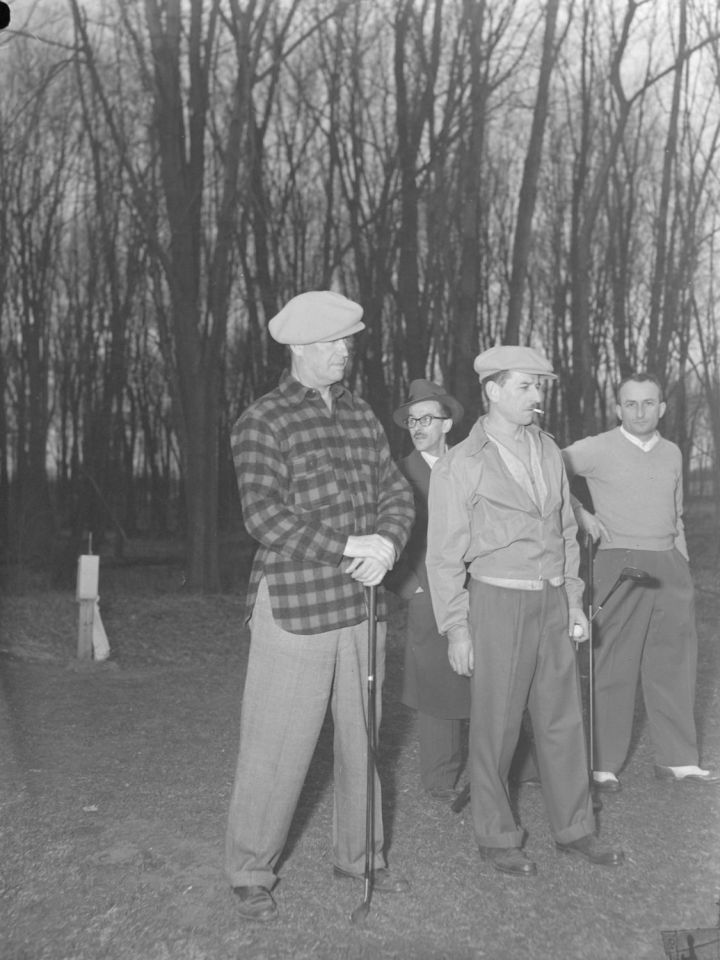
Born in Paris, Chevalier began performing in local music halls and cabarets as a teenager. His early work in Parisian venues helped shape the urbane, slightly rakish image he later exported to international audiences. During World War I he served in the French army and was captured; he spent roughly two years as a prisoner of war in Germany, an experience that interrupted his rising stage career but from which he resumed performing after the conflict.
Stage and screen career
Chevalier made the transition from live performance to motion pictures as talking films emerged. He achieved early international recognition with musical comedies and light romances, starring in films such as The Love Parade, The Big Pond, Love Me Tonight, and later appearing in the Hollywood-backed production of Gigi. His presence in these films often included songs that became popular records in their own right; "Livin' in the Sunlight, Lovin' in the Moonlight" was one example that helped introduce him to American audiences.
Notable songs and films
- Songs: "Louise," "Mimi," "Valentine," "Thank Heaven for Little Girls."
- Films: The Love Parade, The Big Pond, Love Me Tonight, Gigi, and later work for family audiences including a contribution to a Disney film.
Awards, later years and final works
Chevalier received recognition from the film industry late in his career; in the late 1950s he was honored by the Academy for his contributions to cinema and entertainment. He continued to record and perform into old age and lent his voice to projects for family audiences, including singing the title song for Disney’s The Aristocats. He made occasional public appearances until his final years and died in Paris of complications related to kidney disease; contemporary notices noted he was 83 at his death (Paris is also where he was born and died).
Legacy and distinctions
Chevalier’s trademark persona—tipped straw hat, tuxedo, and jaunty smile—became a shorthand for a certain French charm in international popular culture. He was one of the first French entertainers to cross over into Hollywood on a sustained basis, influencing both popular song interpretation and the way continental performers were presented on screen. Over decades his recordings and films continued to attract new listeners, and his style remains a touchstone for performers mixing chanson, cabaret, and light comedy. For further reading on his cabaret roots and filmography see a general overview of French popular music and cinema movements of the period via cabaret histories and archival film references (Academy Award nomination, Honorary Academy Award entries and later biographies provide additional details).
Chevalier’s life also intersected with broader social and historical questions faced by entertainers of his era, including the impact of two world wars on European performers and the shifting relationship between national and international stardom. His work remains commonly cited in surveys of 20th-century popular music and early sound cinema.
Related articles
Author
AlegsaOnline.com Maurice Chevalier Leandro Alegsa
URL: https://en.alegsaonline.com/art/62955
Sources
- holocaustmusic.ort.org : holocaustmusic.ort.org/resistance-and-exile/french-resistance/maurice-chevalier/
- musique.rfi.fr : "Artiste"
- nytimes.com : "Maurice Chevalier Dead; Singer and Actor Was 83"