
Maurice Garin: winner of the first Tour de France (1871–1957)
Maurice Garin was a pioneering road racer who won the inaugural 1903 Tour de France, later became embroiled in the disputed 1904 edition, and remained a notable figure in early cycling history.
Overview
Maurice Garin was an early professional road bicycle racer remembered primarily as the winner of the first Tour de France in 1903. Born in the Aosta Valley and later naturalized as a French citizen, Garin rose from humble beginnings to become one of the most visible figures in the infancy of long‑distance competitive cycling. His career included major classic victories, controversy, and a long post‑racing life working close to the cycling communities of northern France. For primary dates and places see the linked items below.
Image gallery
6 Images




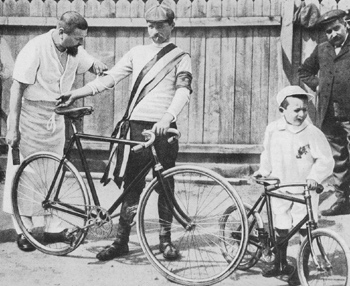
Early life and background
Garin was born on March 3 1871 in Arvier, a community in the Aosta Valley of north‑west Italy. The Aosta Valley has produced several cyclists because of its mountainous terrain and cycling culture; Garin emigrated to France in his youth and later adopted French nationality, formalizing his naturalization in December 1901. His early working life and modest origins were typical of many early riders who combined physical labour with cycling to reach professional levels.
Cycling career and the 1903 Tour
Garin developed a reputation as a strong endurance rider and won significant events in the years around the turn of the century, including Paris–Roubaix. He secured his place in cycling history by winning the very first Tour de France in 1903, a race designed to boost newspaper circulation and to test riders over exceptionally long stages compared with modern races. The 1903 Tour combined brutal distances, primitive roads, and minimal team support, and Garin’s consistent performance across all stages earned him overall victory.
The 1904 controversy
Garin began the 1904 Tour de France as a favourite and was initially declared the winner. However, following protests and an investigation by race organisers and cycling authorities, Garin and several other top finishers were disqualified. Contemporary reports and subsequent histories describe a chaotic event in which riders and fans sometimes interfered with the competition; accusations included taking unauthorized transport and receiving outside assistance. The disqualifications underscored the difficulties of enforcing rules in the sport’s early years and prompted organisers to tighten regulations in later editions.
Later life and legacy
After retiring from active competition, Garin settled in northern France where he ran a small garage in Lens. He lived a relatively quiet life away from professional racing but remained a popular figure among older cycling fans. Garin died on February 19 1957 and was buried in the Cimetière Est near Sallaumines. His name endures in cycling history as a symbol of the sport’s early, adventurous era.
Notable facts
- Origin: born in Arvier in the Aosta Valley (Aosta Valley), a region known for mountainous terrain that shaped many riders’ abilities.
- Naturalization: became a French citizen after establishing his racing career.
- Classic wins: among his achievements was victory in important one‑day races of the era such as Paris–Roubaix.
- Historical importance: winner of the first Tour de France and central to early discussions about fair play and race organisation.
Maurice Garin’s life illustrates both the heroic endurance of early professional cyclists and the organizational growing pains of competitive road racing. His accomplishments and the controversies that surrounded parts of his career remain part of the broader narrative of cycling’s development into an internationally followed sport.
Related articles
Author
AlegsaOnline.com Maurice Garin: winner of the first Tour de France (1871–1957) Leandro Alegsa
URL: https://en.alegsaonline.com/art/62959