
Arthur Lowe — English actor best known as Captain Mainwaring
English character actor Arthur Lowe (1915–1982) is renowned for portraying Captain Mainwaring in the sitcom Dad's Army. This article summarizes his life, career, acting style, and legacy.
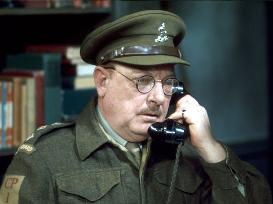
Arthur Lowe (22 September 1915 – 15 April 1982) was an English actor whose career spanned stage, radio, film and television. He achieved widespread recognition for his central role as Captain George Mainwaring in the long-running British sitcom Dad's Army (1968–1977). His performance combined comic timing with a rooted sense of dignity, turning a small-town Home Guard captain into a memorable national character.
Image gallery
4 Images


Early life and training
Lowe was born in Hayfield, Derbyshire, England, and attended local schools before beginning a professional acting career. Like many actors of his generation, he developed his craft in repertory theatre, where he learned versatility by performing a wide range of roles. That stage training shaped the disciplined, expressive style he later brought to screen and radio.
Career and notable roles
Before and alongside his television fame, Lowe worked steadily in theatre and character parts in films and broadcasts. He became best known to the public as the pompous but well-meaning Captain Mainwaring, the self-appointed leader of the fictional Walmington-on-Sea Home Guard platoon. The role showcased his gift for balancing pomposity with sympathy, transforming potentially one-dimensional traits into humane comedy.
His body of work included dramatic and comic pieces, and he was respected as a reliable supporting performer who could carry a scene. Lowe’s approach emphasized clear diction, precise timing and a believable reaction to other performers, qualities rooted in his repertory background.
Personal life and death
Lowe married actress Joan Cooper in 1948; the couple had a son, Stephen. He continued acting into the late 1970s. On 15 April 1982 he died suddenly from a stroke in Birmingham, aged 66. His passing prompted wide tributes from colleagues and fans, reflecting his place in British popular culture.
Legacy and significance
Arthur Lowe is remembered primarily for a single iconic television portrayal that came to represent certain British postwar attitudes and comic sensibilities. His career illustrates how a strong ensemble performance and a well-drawn character can create lasting popular affection. Modern retrospectives and broadcasts continue to introduce his work to new audiences.
- Known for: dry humour, disciplined stage technique.
- Most famous role: Captain George Mainwaring in Dad's Army.
- Origins: born in Hayfield, Derbyshire, England.
Related articles
Author
AlegsaOnline.com Arthur Lowe — English actor best known as Captain Mainwaring Leandro Alegsa
URL: https://en.alegsaonline.com/art/6293