
Physicist: Role, Methods, History, and Notable Figures
Overview of physicists: what they investigate, how they work, historical development, common career paths, and several well-known figures in the field.
A physicist is a scientist who seeks to understand the natural laws that govern matter, energy, space and time. Their work ranges from asking fundamental questions about the universe to developing models and experiments that explain observed phenomena. Physicists blend mathematical reasoning, measurement, and computational tools to test hypotheses and build predictive frameworks.
Image gallery
4 Images


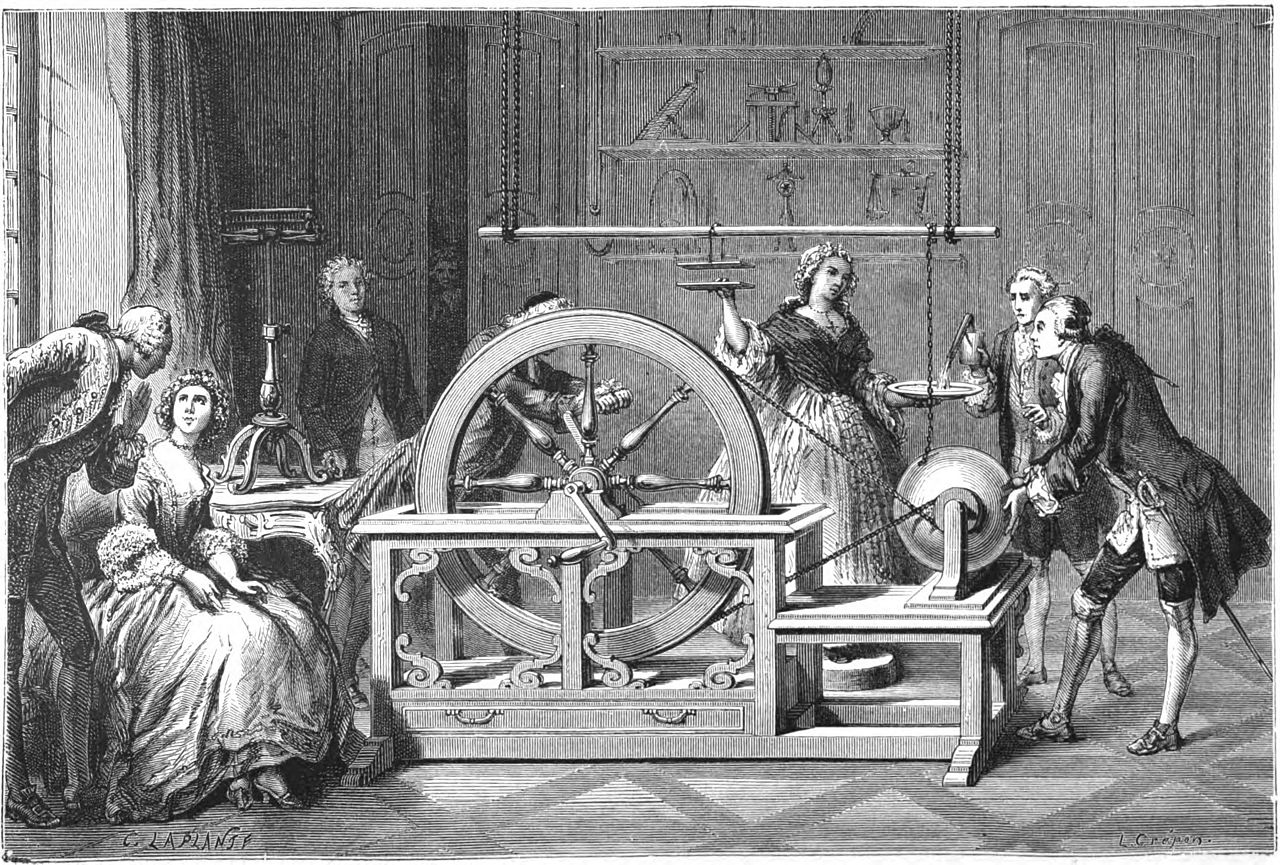
Typical activities and specializations
Physicists may focus on theoretical work, constructing models and proofs, or on experimental research, designing apparatus and analyzing data. Subfields include condensed matter, particle physics, astrophysics, nuclear physics, atomic and molecular physics, and applied physics. Many practitioners use simulation and numerical methods, while others build instruments or run large experiments at specialized facilities.
History and development
The discipline evolved from natural philosophy into a distinct scientific profession. Classical mechanics and optics laid early foundations, followed by developments in thermodynamics and electromagnetism. The twentieth century introduced relativity and quantum theory, which transformed both the concepts and techniques of the field and led to the modern split between theoretical and experimental practice.
Careers, workplaces, and methods
Physicists work in universities, government laboratories, industry, and hospitals. Their methods include analytic calculation, laboratory measurement, large-scale collaborations, and computational modeling. Many contribute to technology transfer: semiconductors, MRI, lasers, and accelerator technologies all owe origins to research in physics.
Notable figures
- Isaac Newton — foundational work in mechanics and gravitation.
- Albert Einstein — ideas on relativity and light that reshaped physics.
- Marie Curie — pioneering research on radioactivity and its applications.
- Richard Feynman — contributions to quantum electrodynamics and physics education.
Distinctions within the field include pure versus applied research, and academic versus industrial career tracks. Physicists often collaborate across disciplines with chemists, engineers, computer scientists and clinicians to translate principles into practical tools. Because the field emphasizes quantitative reasoning and experimental validation, physicists play a central role in advancing both basic knowledge and technologies that affect everyday life.
Related articles
Author
AlegsaOnline.com Physicist: Role, Methods, History, and Notable Figures Leandro Alegsa
URL: https://en.alegsaonline.com/art/76662