
Birmingham, Alabama: history, economy, and civic profile
Compact guide to Birmingham, Alabama—its geography, industrial and civil-rights history, major institutions, economy, landmarks, and role in the state's metropolitan landscape.
Overview
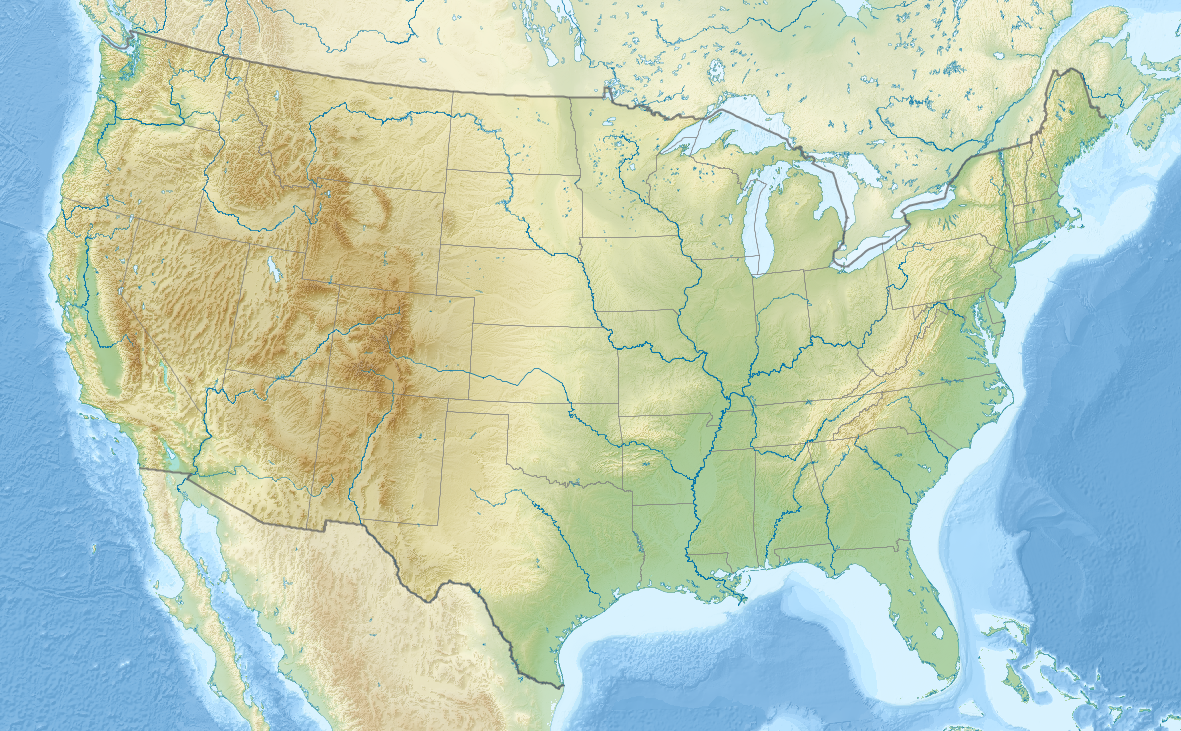
Birmingham is the third-largest city in the U.S. state of Alabama. It serves as the county seat of Jefferson County and anchors the largest metropolitan area in the state. The city covers an area of about 152 square miles and sits at an elevation near 614 feet above sea level. The municipal population is roughly 197,500 while the broader metro region contains more than 1.1 million inhabitants, reflecting Birmingham's role as a regional hub for commerce and services (population data).
Image gallery
10 Images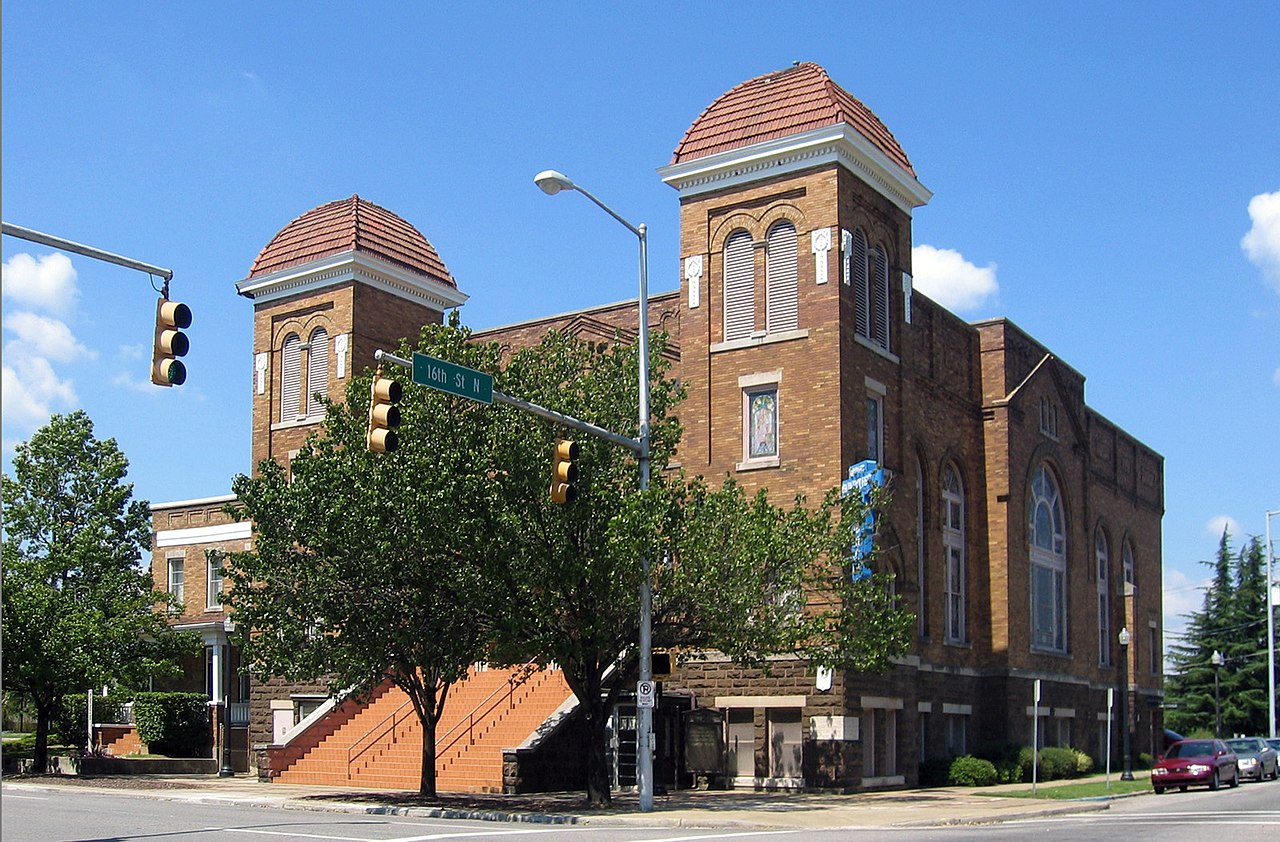





Geography and natural resources
Birmingham lies in a valley within the foothills of the southern Appalachian Mountains. Its location brought together three key raw materials—iron ore, coal and limestone—within a relatively small radius. Those deposits, plus access to rail and later road transport, made the area attractive for heavy industry and the development of iron and steel works in the late 19th and early 20th centuries.
Historical development
The city grew rapidly after its founding in the late 19th century as industrialists established furnaces, foundries and mills. Birmingham became known for its iron and steel production and for the intensive manufacturing that supported the regional economy. In the mid-20th century the city was also a focal point of the American civil rights movement; demonstrations, legal struggles and notable tragedies led to federal reforms and are now commemorated at local museums and memorials.
Economy, education and institutions
Over the past decades Birmingham's economy diversified beyond heavy industry into health care, education, finance and professional services. The University of Alabama at Birmingham and affiliated medical facilities are major employers and research centers. Banking, insurance and regional corporate headquarters contribute to the city's service-sector base, while revitalized downtown and neighborhood districts support small business, dining and cultural venues.
Culture, landmarks and attractions
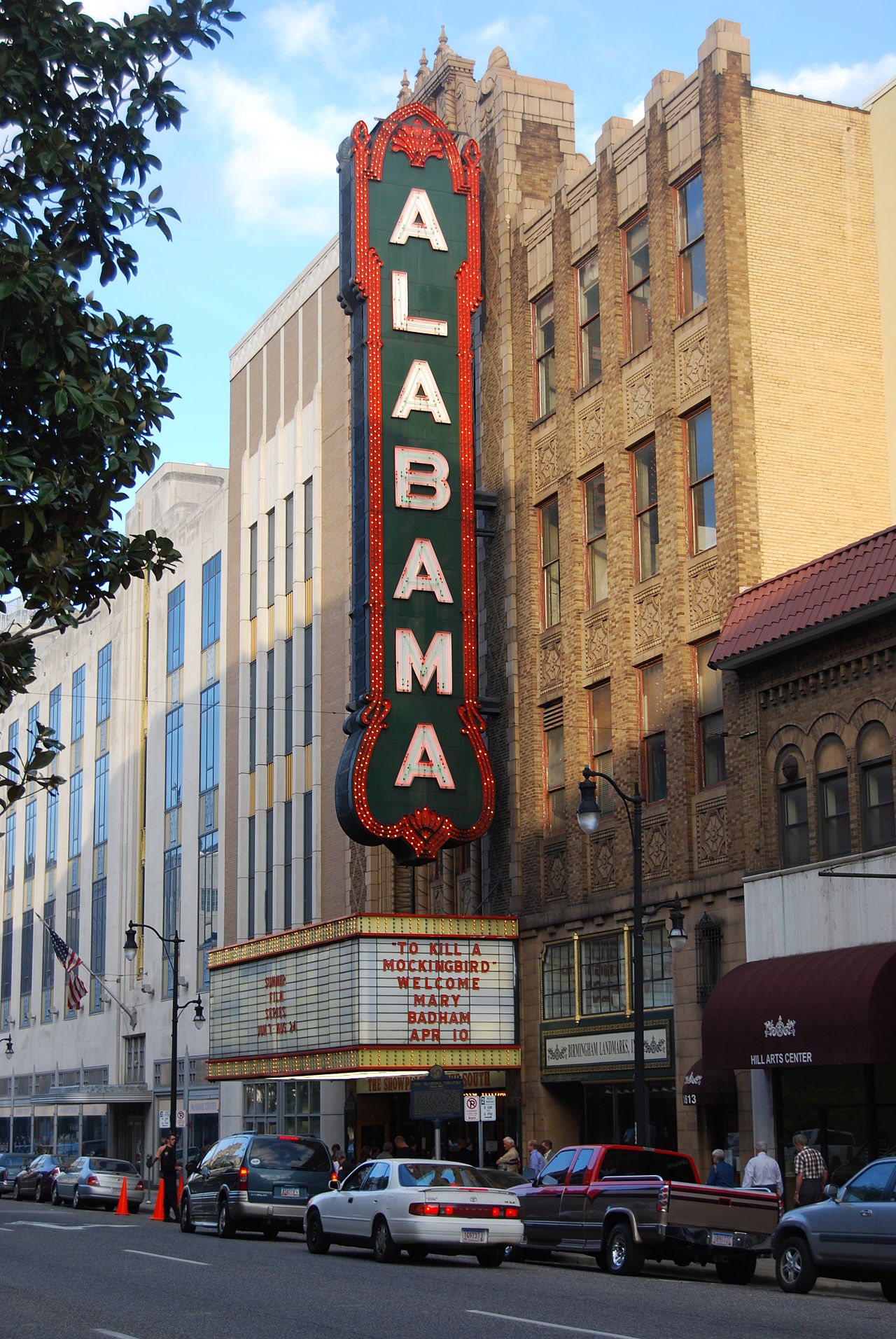
The city supports museums, parks and public art that reflect both industrial heritage and civil-rights history. Notable attractions include civic and historical museums, a large municipal statue symbolizing the region's industrial past, performing arts centers, and an expanding network of greenways and parks. Visitors and residents can explore galleries, historic districts and neighborhoods that combine restored industrial architecture with new uses.
Transport and governance
As a county seat, Birmingham hosts regional courts and administrative offices. The city is served by an international airport and an infrastructure of interstate highways that link it to other Southern and Midwestern markets. Public and private initiatives continue to address urban renewal, housing, and economic inclusion as Birmingham balances preservation of its historical identity with contemporary development.
- Administrative: county seat of Jefferson County
- Population context: city and metro estimates (data)
- Geography: total area and elevation
- Regional role: largest metropolitan area in Alabama
For further reading and official resources see municipal, county and state guides linked to local institutions and demographic data (city profile, state context, county services). Additional historical and cultural information is available through museums and university publications that examine Birmingham's industrial origins and its role in 20th‑century social change.
Tags
Related articles
Author
AlegsaOnline.com Birmingham, Alabama: history, economy, and civic profile Leandro Alegsa
URL: https://en.alegsaonline.com/art/11736
Sources
- census.gov : "Annual Estimates of the Population for Incorporated Places in Alabama, Listed Alphabetically: April 1, 2000 to July 1, 2006"
- fortunecity.com : "History in Song, Birmingham Sunday"
- commons.wikimedia.org : Birmingham, Alabama