
Mathew Brady: 19th‑Century American Photographer and Civil War Documentarian
Mathew Brady (1822–1896) was a leading American portrait photographer and pioneer of battlefield photography. He organized documentary campaigns during the Civil War and influenced modern photojournalism.
Mathew Brady was a prominent 19th‑century American photographer whose work helped establish photography as a public record and an art form. Active before, during, and after the American Civil War, he is best known for a vast body of studio portraits and for organizing the photographic documentation of battlefields and military leaders. Brady’s name became synonymous with early documentary photography and he is often called a founder of modern photojournalism.
Image gallery
10 Images


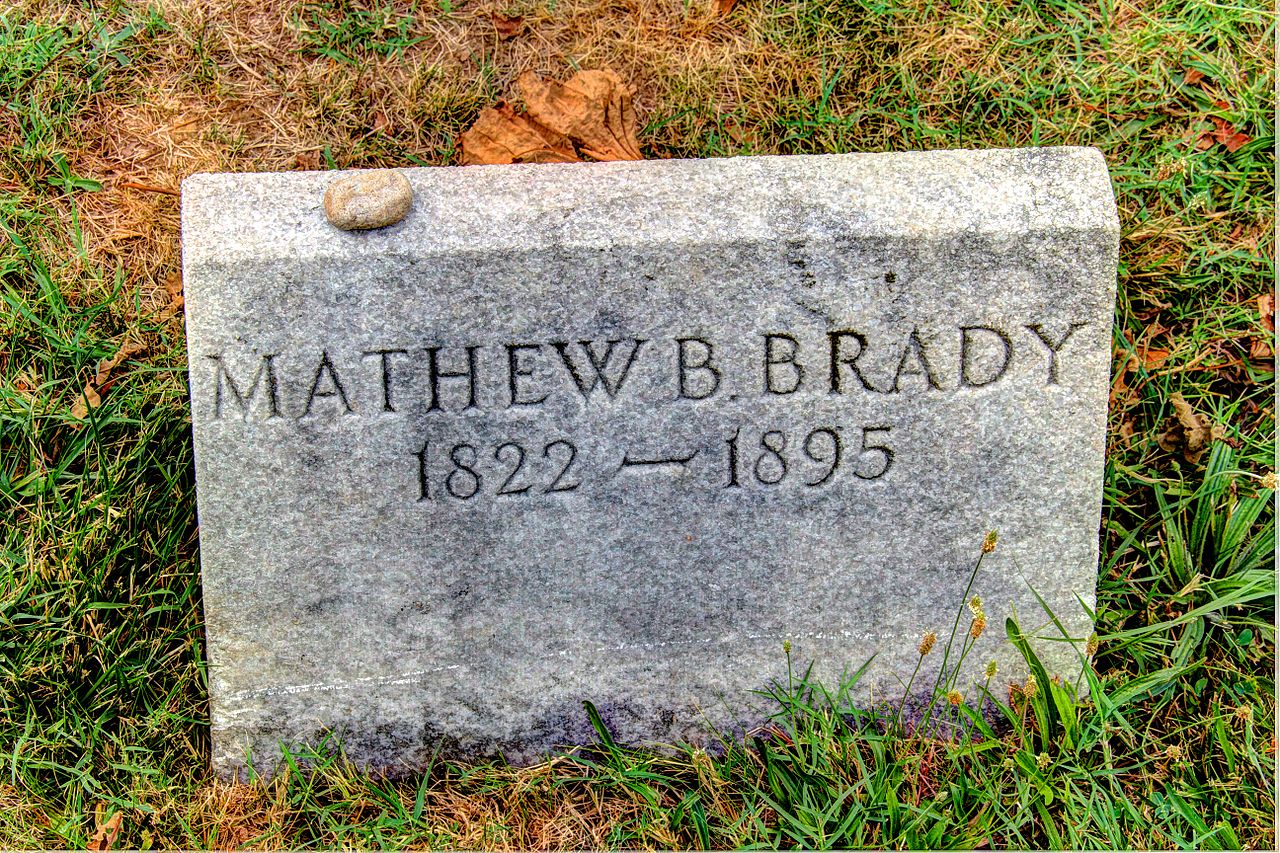

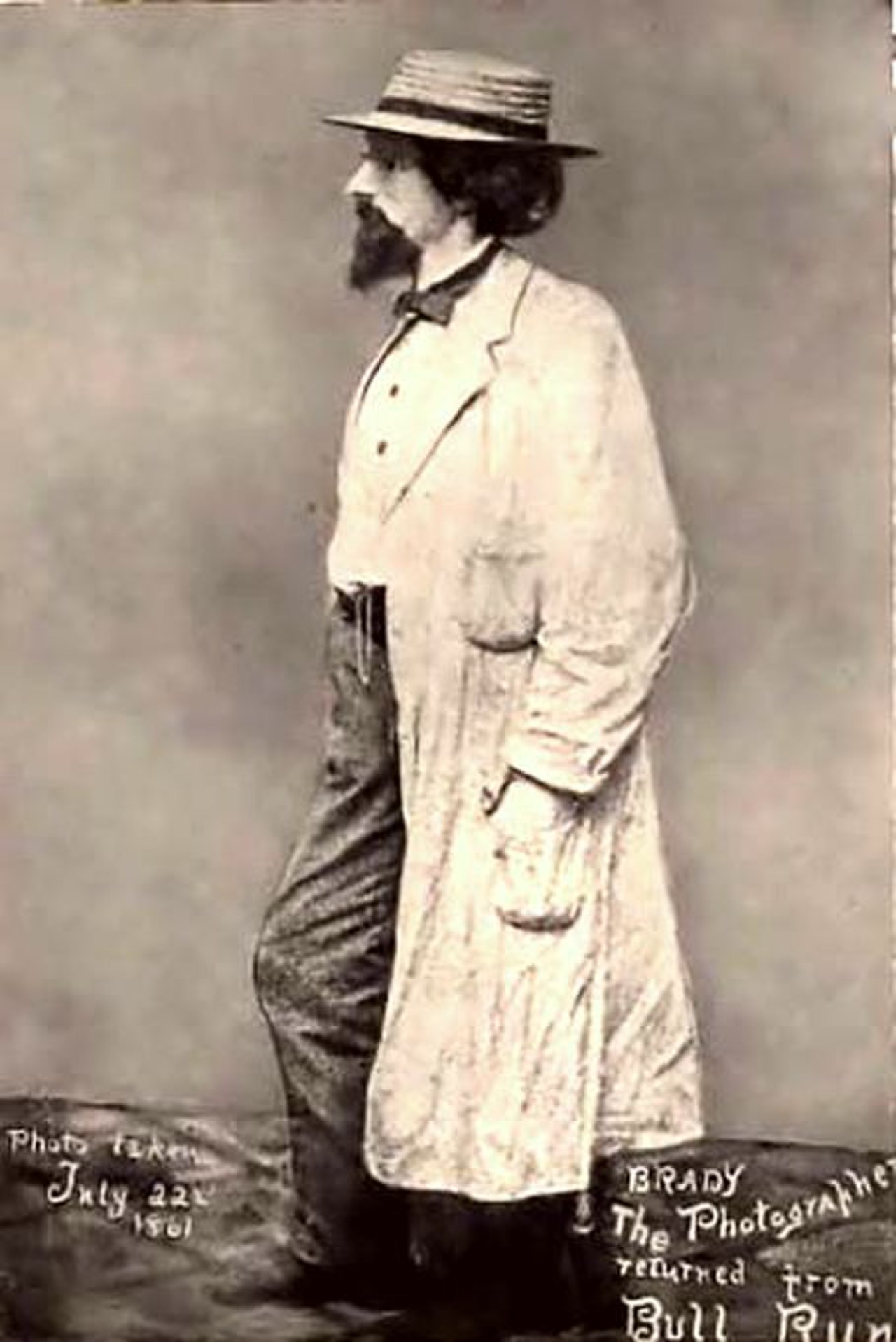


Life and career
Born in 1822 and dying January 15, 1896, Brady trained in commercial arts before turning to photographic processes then in their infancy. He established studios in New York and later in Washington, D.C., where he produced large numbers of formal portraits of politicians, military figures, authors and performers. His New York gallery, sometimes described as a national portrait collection, displayed hundreds of likenesses and became a destination for visitors who wanted to see the nation’s leading personalities.
Techniques, staff and working methods
Brady worked through evolving technologies: early daguerreotypes gave way to wet‑plate collodion negatives and albumen prints, which allowed multiple copies and broader distribution. To cover distant events he relied on a staff of assistant photographers and darkroom technicians who made exposures in the field and produced prints in temporary or mobile darkrooms. Many period images credited to Brady were actually taken by colleagues working under his direction, but he financed, organized and published the work under his name.
Civil War documentation
When the Civil War began, Brady recognized the historical importance of photographic records and sponsored expeditions to photograph camps, leaders and battlefields. His team produced some of the first large‑scale photographic records of combat aftermaths, including images that graphically documented fallen soldiers and ruined landscapes. These pictures were circulated in exhibitions and publications, altering public perceptions of war by bringing visual evidence to a wide audience. For key campaigns he gathered portraits of generals and civic leaders as well as battlefield views.
Legacy and notable facts
Brady’s portrait work included many famous subjects and helped shape public visual memory of mid‑19th‑century America. His photographs of Abraham Lincoln and other officials remain widely reproduced. Although he played a central role in early documentary photography, later historians have emphasized the collaborative nature of his projects and the contributions of his assistants. Financial difficulties affected Brady later in life, but his influence on the dissemination of photographic images and on the use of photography for historical record endures.
Representative works and where to learn more
- Selected photographic prints from Brady’s studio and exhibitions.
- Portraits of celebrities and public figures made in his New York gallery.
- Civil War battlefield photographs gathered by Brady and his team.
- Studies of Brady’s role in early portrait and documentary practice appear in many museum and library collections; introductions to his life and archive material are available through major institutions and historical overviews (photography resources).
Brady’s career illustrates the transition of photography from novelty to powerful public medium. His efforts to record leaders and events set precedents for later documentary and journalistic practice, and the images associated with his name continue to be studied as both historical evidence and early photographic art.
Related articles
Author
AlegsaOnline.com Mathew Brady: 19th‑Century American Photographer and Civil War Documentarian Leandro Alegsa
URL: https://en.alegsaonline.com/art/62817
Sources
- catalog.loc.gov : TR140.B7 P36 1997