
Mather Tower (Lincoln Tower) — Neo‑Gothic high‑rise in Chicago
Mather Tower, later called Lincoln Tower, is a terra‑cotta‑clad Neo‑Gothic high‑rise in downtown Chicago noted for its narrow, setback crown and prominent location at 75 East Wacker Drive.
Overview
Mather Tower, later renamed Lincoln Tower, is a Neo‑Gothic high‑rise in downtown Chicago. Clad in richly detailed terra cotta, it is best known for its unusually slender shaft and tiered crown that rise above the Loop skyline. The building has long attracted attention for its distinctive silhouette and its prominent siting near the Chicago River.
Image gallery
2 Images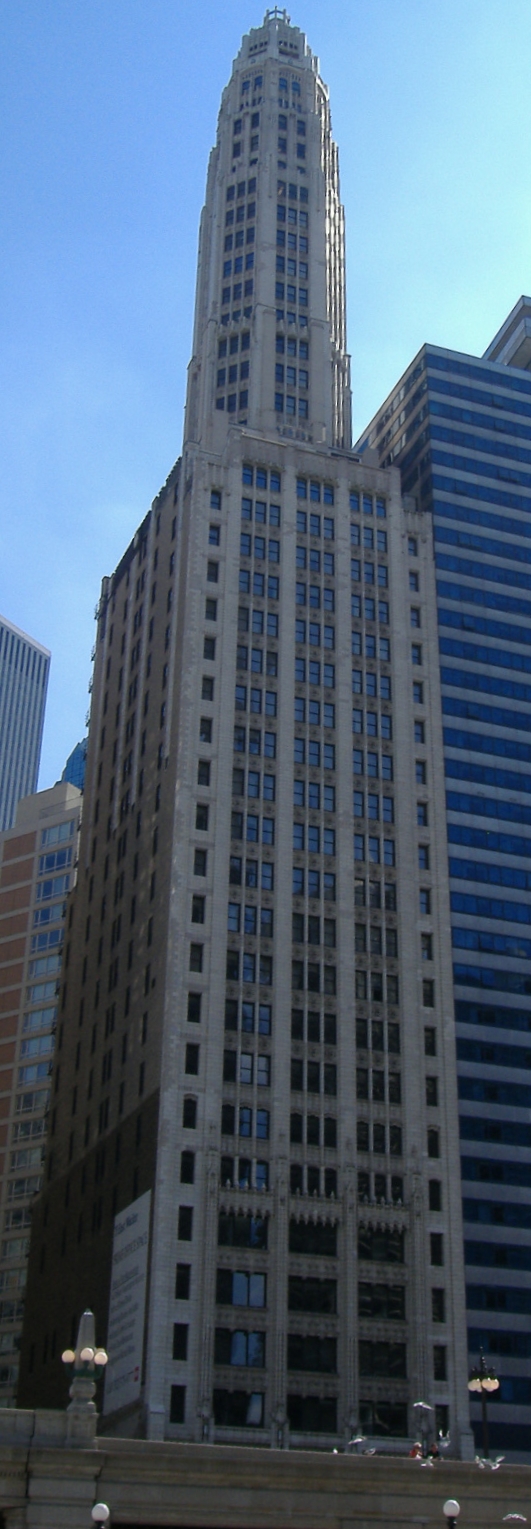

Location
The tower stands at 75 East Wacker Drive in the Loop, a short distance from the riverfront and major civic and commercial thoroughfares. Its downtown location is often noted in guides to the city's architecture; see the city listing at Chicago, the state overview at Illinois, the specific address reference at 75 East Wacker Drive, and its riverfront context at the Chicago River.
Design and characteristics
The building is designed in a Neo‑Gothic idiom and finished with ornamented terra cotta, a common material for decorative façades in the early 20th century. Its form features setbacks and a narrowing upper portion that culminates in a multi‑tiered crown, giving it a spire‑like appearance. Internally it was arranged for offices and service spaces typical of high‑rise commercial buildings.
History and development
Completed in the late 1920s, the tower reflects the era’s interest in verticality and ornate cladding. Over time it acquired the secondary name Lincoln Tower, and has been part of conservation conversations about preserving historic commercial architecture in the Loop. Like many older downtown buildings, it has experienced periods of renovation and proposals for adaptive reuse.
Uses, significance, and preservation
Historically occupied by offices and small businesses, the tower is valued for its architectural distinctiveness and as a landmark in views along the river and surrounding streets. Preservation advocates note the building as an example of terra‑cotta craftsmanship and early 20th‑century skyscraper design. Rehabilitation efforts in recent decades have aimed to stabilize ornamental façades and adapt interiors without erasing the building’s characteristic profile.
Notable facts
- The tower’s narrow upper stories and decorative crown set it apart from more rectilinear office blocks.
- Its terra‑cotta ornamentation exemplifies the material’s decorative use before widespread stone and glass facades.
- Its corner‑river placement makes it a recurring subject in accounts of Chicago’s architectural history.
Related articles
Author
AlegsaOnline.com Mather Tower (Lincoln Tower) — Neo‑Gothic high‑rise in Chicago Leandro Alegsa
URL: https://en.alegsaonline.com/art/62815