
Massac County, Illinois
County in southern Illinois along the Ohio River. County seat Metropolis is known for Fort Massac and Superman-themed tourism. Landscape includes river floodplain, state park, agriculture and small communities.
Overview
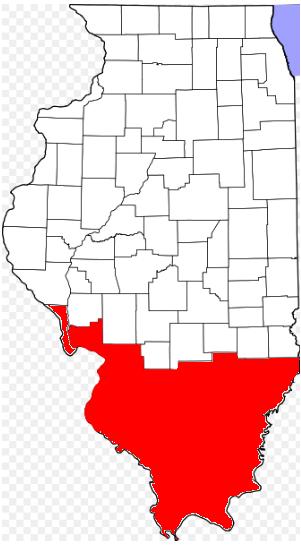
Massac County is located in the southern portion of the U.S. state Illinois, along a stretch of the Ohio River. The county seat is Metropolis, a small city that has developed a notable tourist identity based on the comic-book figure often celebrated there. The county combines rural settlements, farmed land and riverfront communities.
Image gallery
3 Images

Geography and environment
The county's southern boundary follows the Ohio River, producing a corridor of floodplain, wetlands and river terraces that support diverse plant and animal life. Away from the river there are mixed hardwoods, agricultural fields and rolling uplands. The river both shaped historic settlement patterns and continues to influence recreation, wildlife habitat and local land use.
History and heritage
Massac County's name and identity are closely tied to an 18th-century fortification on the river, now preserved as a historic site and public park. That site is interpreted for visitors interested in the colonial and early American frontier eras. River trade, ferry crossings and agriculture were important themes in the county's development.
Economy, government and community life
The local economy is a mix of agriculture, light industry, retail and visitor services. Outdoor recreation, historic tourism at the fort site and popular-culture attractions in Metropolis contribute to the service sector. County government administers courts, public safety, schools and road maintenance typical of Illinois counties, and numerous civic organizations support community events and volunteer services.
Transportation and recreation
Roadways and river access are the principal transportation routes for residents and businesses. Fort Massac State Park and riverfront areas provide hiking, picnicking and seasonal programming that draw visitors from the region. Local festivals and heritage events highlight the county's historical and cultural ties to the Ohio River and rural southern Illinois.
Further information
For official and visitor information, consult county resources and interpretive materials available through local visitor centers and the state park system. Demographic and administrative details are recorded in decennial censuses and county records maintained by state agencies and local government offices; see the 2010 count for historical population context as noted by the U.S. census authorities here.
Related articles
Author
AlegsaOnline.com Massac County, Illinois Leandro Alegsa
URL: https://en.alegsaonline.com/art/62686