
Mathura district, Uttar Pradesh: overview, history, culture and significance
Mathura district in Uttar Pradesh, northern India, centers on the city of Mathura on the Yamuna. An ancient cultural and pilgrimage region associated with Krishna, it combines agriculture, pilgrimage economy and heritage sites.
Overview
Mathura district lies in the western part of the Indian state of Uttar Pradesh and is a core area of the Braj cultural landscape in northern India. The district is named for its administrative headquarters, the historic city of Mathura, situated on the banks of the Yamuna River. Administratively the district falls within the Agra division and includes both urban centres and extensive rural areas dominated by agriculture and pilgrimage towns.
Image gallery
10 Images


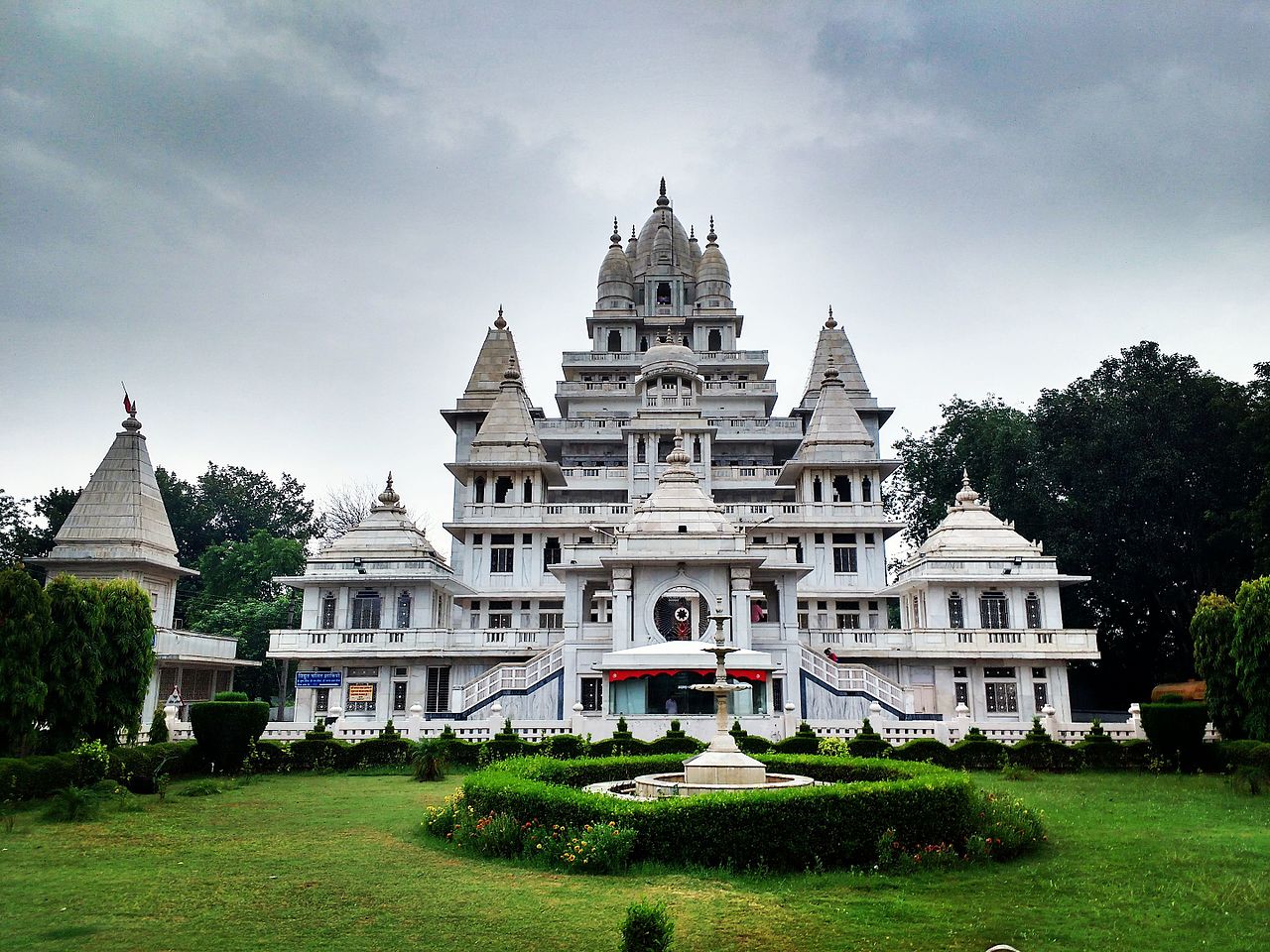
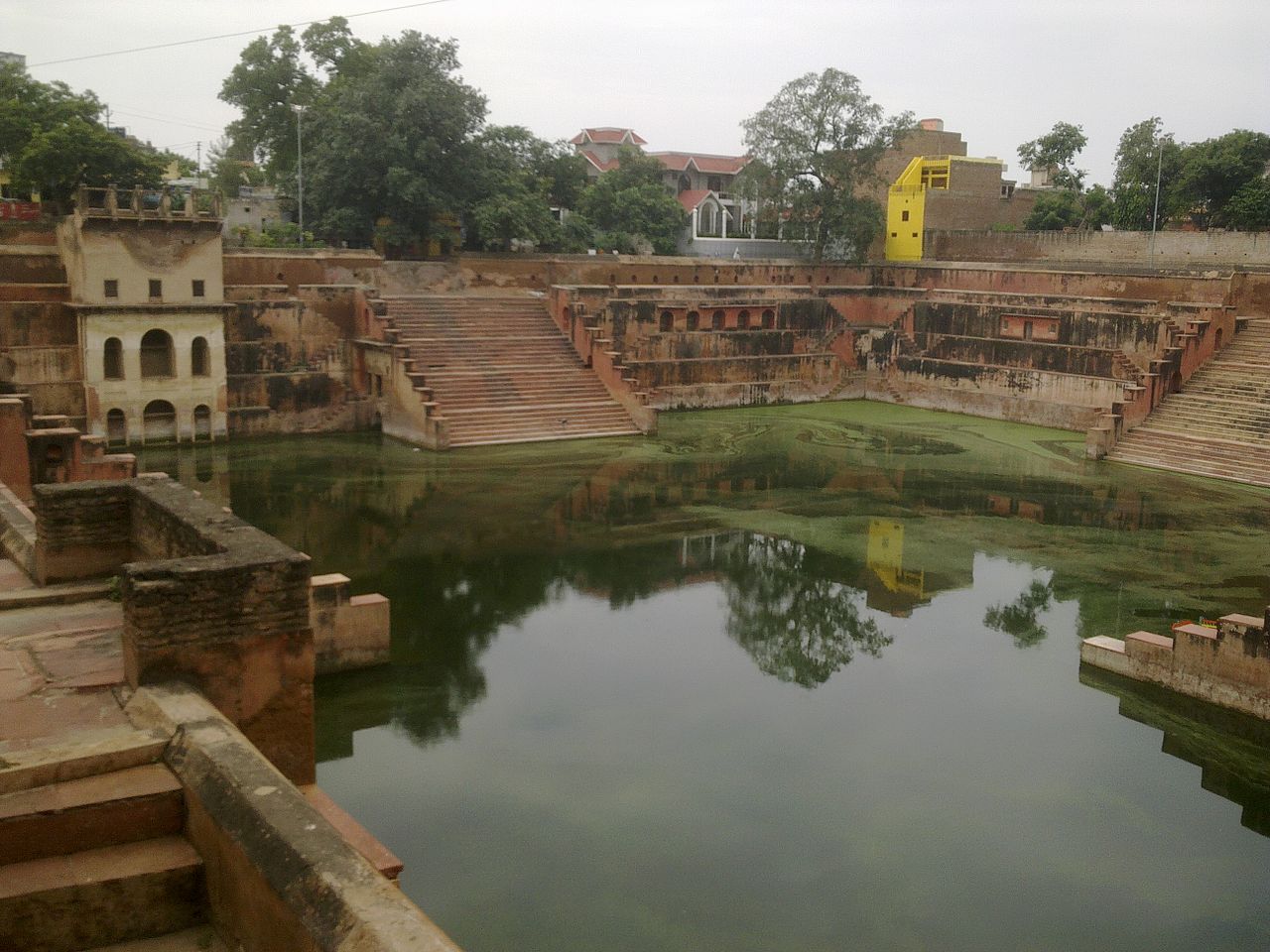


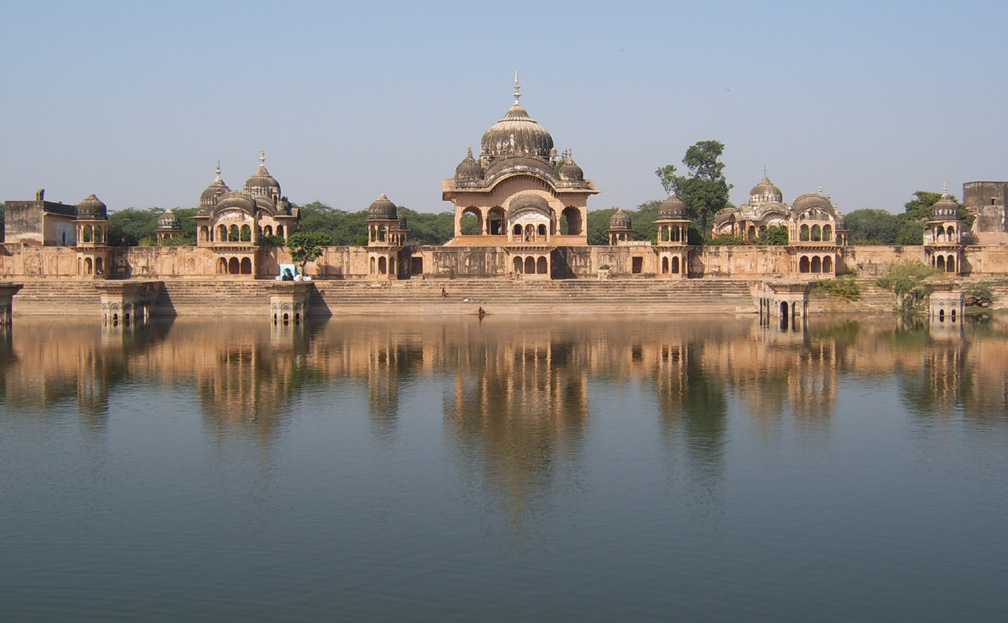

Geography and climate
The district occupies fertile alluvial plains along the Yamuna with a generally flat topography that supports intensive farming. Seasonal climate patterns include hot summers, a monsoon period that supplies most annual rainfall, and cooler winters; these cycles influence cropping, river levels and festival timing. Local water management and irrigation structures are important for agriculture and for maintaining ghats and pilgrimage access to the Yamuna.
Administration and settlements
Mathura district is subdivided into tehsils and blocks that administer municipal and rural services. Major settlements include Mathura city and towns such as Vrindavan, Goverdhan, Mant and Chhata, each with distinct religious, administrative and commercial roles. The district's location, with road and rail links to Agra and the national capital region, shapes commuting patterns and economic ties.
History and archaeology
Mathura has one of the subcontinent's longest continuous records of urban settlement and has featured in archaeological, numismatic and literary sources. It developed as a regional centre in antiquity and shows layers of cultural and artistic activity across early historic, classical and medieval periods. Archaeological sites, ancient temples, inscriptions and sculptural remains attest to the district's long-standing significance for religion, trade and the arts.
Culture, religion and festivals
The district is widely regarded as a principal destination for devotees of Krishna. Vrindavan, Govardhan Hill and other sacred localities host major festivals such as Janmashtami and Braj-style Holi, together with numerous daily rituals and seasonal pilgrimages. Local language and performing arts reflect the Braj tradition, and devotional poetry, music and folk customs remain central to community life.
Economy and land use
The district's economy combines agriculture, pilgrimage-related services and industrial activity. Farmers cultivate crops suited to the fertile plains; tourism and temple services—lodging, shops and transport—support many livelihoods. Industrial activity around the city includes small and medium enterprises and processing units, while planners work to balance economic growth with heritage conservation and river health.
Transport and infrastructure
Mathura is served by a major railway junction and a network of roads that connect it to regional urban centres. Public transport, private buses and rail services facilitate pilgrim flows and trade. Infrastructure priorities often include upgrading roads, managing seasonal crowds at holy sites and ensuring reliable water and sanitation services in densely visited areas.
Tourism and notable sites
Visitors come to bathe at ghats on the Yamuna, to visit temples and to experience festivals and local arts. Key attractions include the Janmabhoomi area of Mathura, the temples and ashrams of Vrindavan, the sacred circumambulation paths around Govardhan Hill and various archaeological remains that illustrate the region's deep past.
Environment and conservation
Conservation challenges in the district include safeguarding river water quality, protecting archaeological sites from encroachment, and managing the environmental impacts of tourism and industry. Local and regional authorities, together with cultural organizations, work on initiatives to preserve the district's cultural landscape and natural resources while supporting sustainable development.
Practical information
Travel planning benefits from awareness of festival dates and seasonal conditions, and from consulting official sources for administrative and demographic data. For detailed statistics, heritage listings and visitor guidance, refer to government publications and specialist studies on Braj history and archaeology.
- Major towns: Mathura, Vrindavan, Goverdhan, Mant, Chhata.
- Cultural highlights: Krishna-related temples, Braj folk traditions, Janmashtami and Holi celebrations.
- Administrative context: part of the Agra division with tehsils and local governance units.
Questions and answers
Q: How many districts are there in Uttar Pradesh state?
A: Uttar Pradesh state has 75 districts.
Q: Where is Mathura district located in Uttar Pradesh state?
A: Mathura district is situated in northern India, along the banks of the Yamuna River, in Uttar Pradesh state.
Q: Which town is the headquarters of Mathura district?
A: The historic town of Mathura is the headquarters of Mathura district.
Q: Which division does Mathura district come under?
A: Mathura district comes under the Agra division.
Q: What is the significance of Yamuna River in Mathura district?
A: Yamuna River flows through Mathura district and is of great significance as it holds a spiritual and religious significance for the people of Mathura.
Q: What is the specialty of Mathura district?
A: The district is historically and culturally rich, with numerous sites of historical and religious significance, and is a pilgrimage site for Hindus.
Q: Is Mathura district well known only for its religious significance?
A: No, Mathura district is also known for its varied industries and agricultural produce, making it an important economic center of Uttar Pradesh state.
Related articles
Author
AlegsaOnline.com Mathura district, Uttar Pradesh: overview, history, culture and significance Leandro Alegsa
URL: https://en.alegsaonline.com/art/62823
Sources
- census2011.co.in : "District Census 2011"
- timesofindia.indiatimes.com : "Nitin Gadkari to hold rally in Jat dominated Mathura district"