
Maui: Geography, history, culture and attractions of Hawaii’s Valley Isle
Maui, the second-largest Hawaiian island, is famed for its volcanic landscapes, diverse ecosystems, and tourism-driven economy. Overview of geography, towns, history, culture, and major attractions.
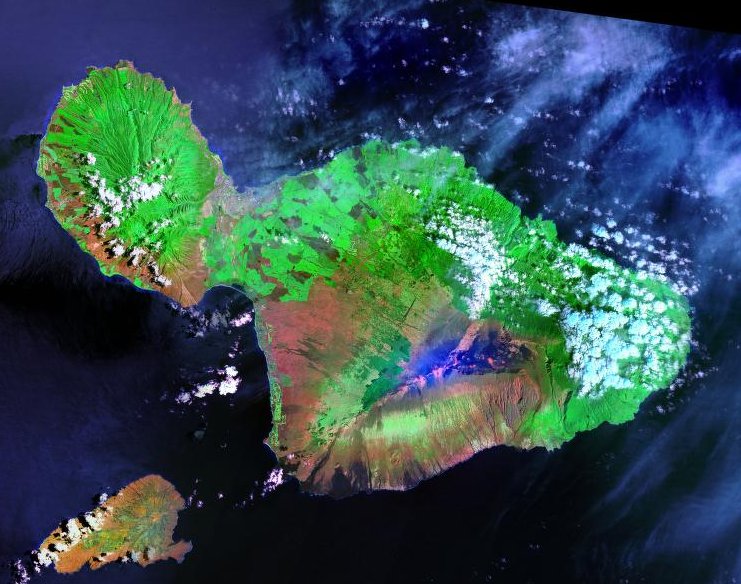
Maui is the second-largest of the Hawaiian Islands and one of the best-known islands in the United States. Roughly 727 square miles (about 1,883 km²) in area, it forms part of Maui County in the state of Hawaii. Often called the "Valley Isle," Maui is distinguished by a broad, fertile isthmus that lies between two major volcanic masses. Its resident population is commonly cited as just over 100,000, concentrated in a handful of towns and resort areas.
Image gallery
10 Images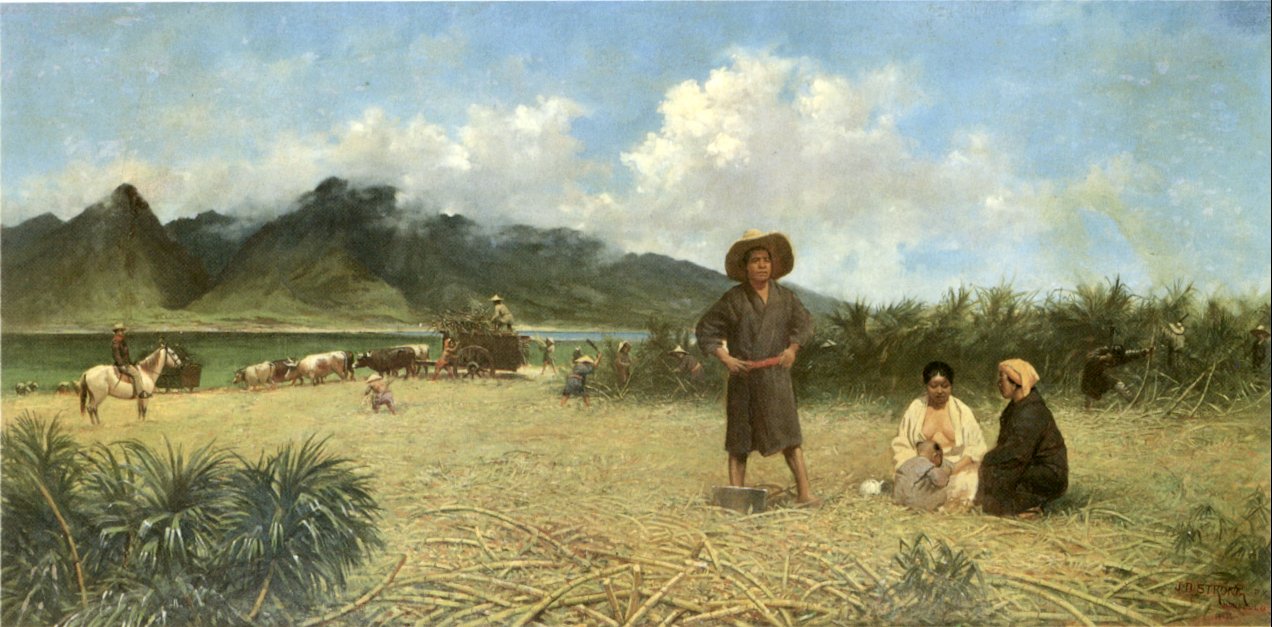


Geography and natural features
Maui’s landscape is dominated by two volcanoes: the eroded West Maui Mountains and the massive shield volcano Haleakalā to the east. The valley and isthmus that separate them produce a variety of microclimates—from dry coastal plains and resort beaches to lush rainforest on windward slopes and high-elevation alpine environments atop Haleakalā. The island’s coastline alternates between sand beaches, rocky lava shores and rugged sea cliffs. Marine life and coral reefs around Maui are important both ecologically and for recreation.
Towns, economy and infrastructure
Principal population centers and visitor hubs include Kahului (the commercial and transportation center), Wailuku (county seat), the historic whaling town of Lahaina, the remote town of Hana, and resort areas such as Wailea. The island’s economy relies heavily on tourism, supported by hospitality, recreation and service industries. Agriculture, historically important for sugar and pineapple, continues in diversified forms including tropical fruit, coffee and cattle ranching.
History, culture and name
Maui takes its name from the Polynesian demigod Maui, who in Hawaiian tradition is credited with fishing the islands up from the sea. The island’s human history begins with early Polynesian settlement many centuries ago; later periods saw contact with European and American sailors, missionaries and traders. Indigenous Hawaiian culture remains central to island identity: language, hula, navigation traditions and place names are widely recognized and celebrated.
Attractions and activities
- Haleakalā National Park: sunrise views and high-elevation trails.
- Road to Hana: a scenic coastal drive through rainforest and waterfalls.
- Historic Lahaina: shops, galleries and sites from the whaling era.
- Beaches and marine recreation: surfing, snorkeling and whale watching.
Visitors and residents alike value Maui for its combination of dramatic scenery, cultural richness and outdoor recreation. Conservation efforts and planning aim to balance development and visitor demand with protection of native ecosystems, cultural sites and traditional practices. As part of a larger island chain and a modern U.S. state, Maui remains both a living Hawaiian community and a global travel destination.
Questions and answers
Q: What is the population of Maui?
A: The population of Maui is just over 100,000.
Q: How big is Maui in terms of square miles?
A: Maui is 727 square miles (1883 km²) in size.
Q: What county does Maui belong to?
A: Maui belongs to Maui County, Hawaii.
Q: What are the main industries on the island?
A: The main industries on the island are agriculture and tourism.
Q: Who was Maui named after?
A: The island was named for the demigod Maui.
Q: Why is it known as "The Valley Isle"?
A: It's known as "The Valley Isle" because there's a large fertile isthmus between two volcanoes on the island.
Related articles
Author
AlegsaOnline.com Maui: Geography, history, culture and attractions of Hawaii’s Valley Isle Leandro Alegsa
URL: https://en.alegsaonline.com/art/62927