
Massachusetts Bay Colony
17th-century English colonial settlement in New England centered on present-day Massachusetts; important for Puritan migration, colonial government, economy, and conflicts with Indigenous peoples.
The Massachusetts Bay Colony was an English colonial settlement founded in the early 17th century on the northeastern coast of North America. Centered on the harbor that became Boston, it grew from a corporate venture into a sizable, self-governing Puritan society that influenced the religious, political, and economic development of New England. Its territorial claims and settlements affected areas that are now parts of Massachusetts and Maine and touched neighboring colonies.
Image gallery
9 Images


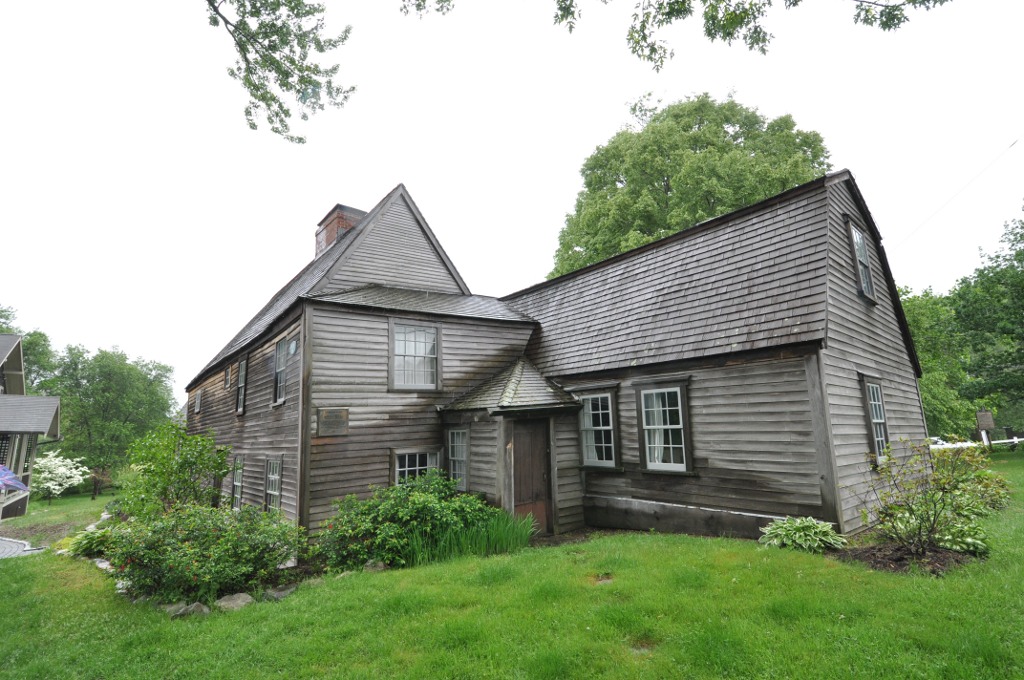


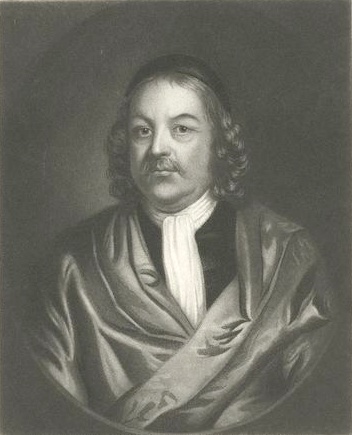
Founding and government
The colony began after investors and Puritan emigrants organized under the Massachusetts Bay Company, which received a royal charter and transferred its governance to New England in the late 1620s and early 1630s. John Winthrop emerged as the colony's leading figure; his writings and sermons expressed a desire to build a religiously ordered community often summarized as a model for others. The colony's ruling body, the General Court, combined features of corporate governance and local self-rule: freemen—male church members at first—elected magistrates and representatives to manage legislation, courts, and taxation.
Population, religion and society
Most settlers were Puritans seeking a place to practice their understanding of Reformed Christianity without what they saw as corruptions in the Church of England. During the period known as the Great Migration (roughly the 1630s), thousands of English migrants settled in the colony and nearby towns. Society emphasized congregational churches, literacy (partly to read the Bible), and town-based local government. Social life combined religious observance, family farming, crafts, and communal institutions such as meetinghouses and local courts.
Economy and daily life
The coastal geography shaped the colony's economy. Fishing, shipbuilding, timber, and trade with England, the West Indies, and other colonies were important. Small-scale agriculture produced grain, livestock, and dairy products; artisans and merchants supplied local needs and participated in maritime commerce. The colony developed ports, roads, and commercial networks that linked rural towns and urban centers like Salem and Boston.
Relations with Indigenous peoples and conflict
Early relations with Native American groups varied from trade and tactical alliances to tension over land, resources, and differing legal customs. Competition for territory and resources led to armed conflicts in the region, including the Pequot War in the 1630s and the later, far-reaching King Philip's War in the 1670s. These wars had profound human and political consequences and reshaped patterns of settlement and power in southern New England.
Later constitutional changes and legacy
By the late 17th century, imperial pressures and administrative experiments altered New England governance. The creation of a centralized Dominion of New England and later royal reorganizations reduced some colonial autonomy for a time. In 1691–1692 the older corporate colony and neighboring claims were rechartered as the royal Province of Massachusetts Bay, with a governor appointed under the crown. The institutions, legal traditions, and social patterns developed in the Massachusetts Bay Colony left a lasting imprint on American political culture, local governance, schooling, and religious life.
Further references
- Overview and geography
- New England context
- Salem and early towns
- Massachusetts region
- Maine and northern claims
- New Hampshire borderlands
- Rhode Island relations
- Connecticut connections
- Colonial enterprises and companies
- New World migration
- Early settlement attempts
- Successful colonization efforts
- Native alliances and diplomacy
- Cultural differences and customs
- Pequot War (1636–1638)
- King Philip's War (1675–1676)
- Aftermath and displacement
- Trade and commerce
- Trans-Atlantic connections
- Late 17th-century political changes
- Monarchs and imperial policy
Questions and answers
Q: What was the Massachusetts Bay Colony?
A: The Massachusetts Bay Colony was an English settlement in the 17th century on the east coast of North America. It later became known as New England and included what is now the cities of Salem and Boston, as well as the states of Massachusetts, Maine, New Hampshire, Rhode Island, and Connecticut.
Q: Who founded the colony?
A: John Winthrop founded the Massachusetts Bay Colony. He wanted to improve upon the Church of England by colonizing or getting rid of Native Americans in this new world.
Q: How many people were brought to this colony?
A: Approximately 20,000 people were brought to this colony by two companies; The Dorchester Company (which failed) and The Massachusetts Bay Company (which was successful).
Q: How did relations between colonists and Native Americans change over time?
A: Initially there was a good friendship between colonists and Native Americans but tensions rose when more Europeans moved into these areas due to disputes over land borders. Additionally, different customs caused further conflict which led to two wars; The Pequot War (1636–1638) and King Philip's War (1675–1676). After these wars most Native Americans became peaceful while some moved away from those areas.
Q: What type of trade did they engage in?
A: The colonists traded with both England and West Indies for goods such as food, clothing, tools etc., which helped them make money.
Q: What happened in 1686?
A: In 1686 there was a civil war in England where King James II attempted to gain control over all colonies including that of Massachusetts Bay.
Q: How did it change after 1692? A:After 1692 Sir William Phips arrived and combined both Plymouth Colony with that of Massachusetts Bay so that they could help run their own government together better than before.
Related articles
Author
AlegsaOnline.com Massachusetts Bay Colony Leandro Alegsa
URL: https://en.alegsaonline.com/art/62687
Sources
- books.google.com : Wessagusset and Weymouth
- worldcat.org : 1066255
- books.google.com : The Emancipation of Massachusetts
- books.google.com : The Romantic Story of the Puritan Fathers: And Their Founding of New Boston
- worldcat.org : 42469253
- books.google.com : The Boundary Disputes of Connecticut
- worldcat.org : 1994357
- worldcat.org : 237802295
- books.google.com : State of Rhode Island and Providence Plantations at the End of the Century: a History
- worldcat.org : 14245880
- books.google.com : New Hampshire as a Royal Province
- worldcat.org : 1981065
- worldcat.org : 435912011