
Maxillopoda
Maxillopoda is a traditional class of small crustaceans including barnacles, copepods, and several minute groups; its members vary widely in form and ecology and the group’s unity is debated.
Overview
Maxillopoda is a historic grouping of small and diverse crustaceans. The name appears in many taxonomic treatments as a class-level assemblage; it traditionally gathers forms ranging from free-swimming plankton to permanently attached animals. For a concise entry on the group see Maxillopoda.
Image gallery
10 Images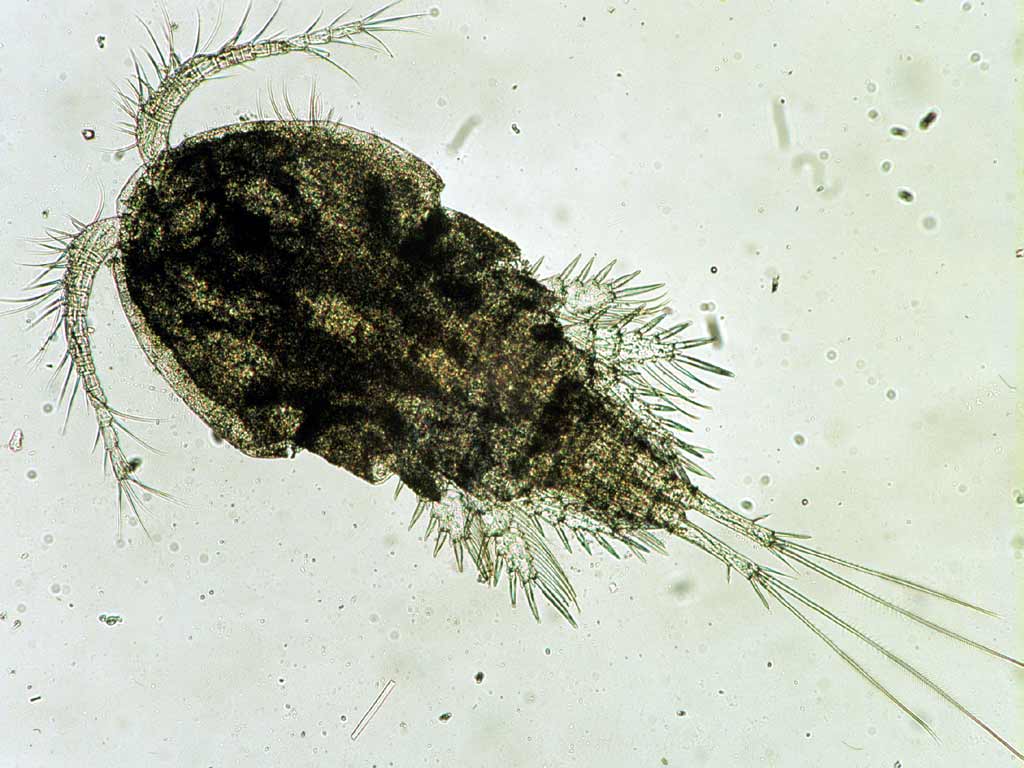
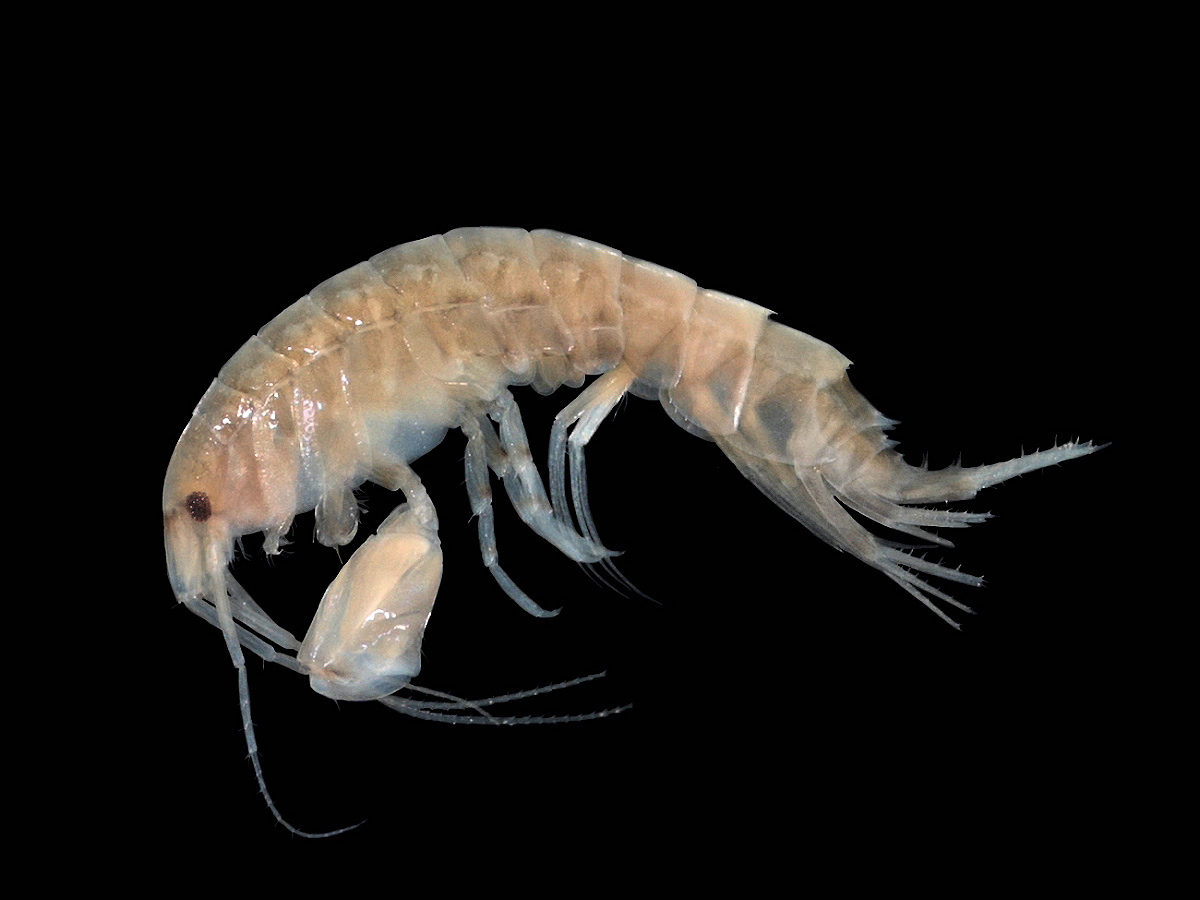


Characteristics
Members attributed to Maxillopoda share few obvious unifying external characters. They are typically small, often have a reduced abdomen and variable segmentation, and many show specialized feeding appendages derived from maxillae. Their larvae commonly include a nauplius stage, a trait widespread among crustaceans, but adult anatomy varies greatly between lineages.
Major groups
Several well-known and obscure groups have been placed in Maxillopoda. Major constituents include:
- Barnacles (Thecostraca/Cirripedia) — sessile, often calcareous, attached to surfaces.
- Copepods (Copepoda) — mostly free-living planktonic grazers and key components of aquatic food webs.
- Smaller groups such as Mystacocarida and Tantulocarida — minute and cryptic, often interstitial or parasitic.
Life cycles and ecology
Maxillopodans occupy marine and freshwater habitats, from intertidal zones to open ocean plankton. Life histories range from complex metamorphoses with multiple larval stages to direct development. Copepods are among the most abundant animals on Earth by numbers and are central to aquatic trophic transfer; barnacles are notable biofoulers and reef associates.
Taxonomy and scientific significance
Modern molecular and morphological analyses have challenged Maxillopoda as a single natural (monophyletic) group. Many researchers now view it as an assemblage of distinct lineages rather than a single clade; this has prompted reclassification efforts. Despite taxonomic debates, the organisms traditionally placed here remain important for ecology, aquaculture, and evolutionary study.
Human relevance
Species traditionally labeled as maxillopodans affect human activities in varied ways: copepods support fisheries by sustaining food chains; barnacles cause fouling on ships and infrastructure; some tiny groups are studied for insights into extreme miniaturization and parasitism. Their diversity illustrates both the challenges and rewards of cataloguing crustacean evolution.
Questions and answers
Q: What is Maxillopoda?
A: Maxillopoda is a class of diverse crustaceans that consists of barnacles, copepods, and related animals.
Q: What are the members of Maxillopoda?
A: Members of Maxillopoda include barnacles, copepods, and related animals.
Q: Does Maxillopoda form a monophyletic group?
A: No, Maxillopoda does not form a monophyletic group.
Q: What unites all members of Maxillopoda?
A: There is no single character that unites all members of Maxillopoda.
Q: Is Maxillopoda an exclusive group of crustaceans?
A: Yes, Maxillopoda is a class exclusively made up of crustaceans.
Q: How diverse is Maxillopoda?
A: Maxillopoda is a highly diverse class of crustaceans that includes barnacles, copepods, and many related animals.
Q: What is the significance of Maxillopoda?
A: Maxillopoda is significant as it represents a diverse group of crustaceans that have played a significant role in ecological and evolutionary processes.
Related articles
Author
AlegsaOnline.com Maxillopoda Leandro Alegsa
URL: https://en.alegsaonline.com/art/63026
Sources
- commons.wikimedia.org : Maxillopoda
- itis.gov : "Maxillopoda"
- atiniui.nhm.org : An updated classification of the Recent Crustacea
- ucmp.berkeley.edu : "Introduction to Maxillopoda"
- animaldiversity.ummz.umich.edu : ""Maxillopoda""
- doi.org : 10.1017/S0263593300001280