
Martha Raye: American comedian, singer and actress
Profile of Martha Raye (1916–1994), American entertainer known for comedy, singing, film and television work, and for entertaining U.S. military personnel. Overview, career highlights and legacy.
Overview
Martha Raye was an American performer whose career blended broad comedy, popular singing and screen acting. She became widely known as a high-energy comedian with a warm stage presence and a talent for musical numbers, and was also celebrated as a singer and actress. Born in Montana in 1916, she worked across radio, movies and television over several decades and remained visible to audiences from the 1930s into the later 20th century.
Image gallery
2 Images
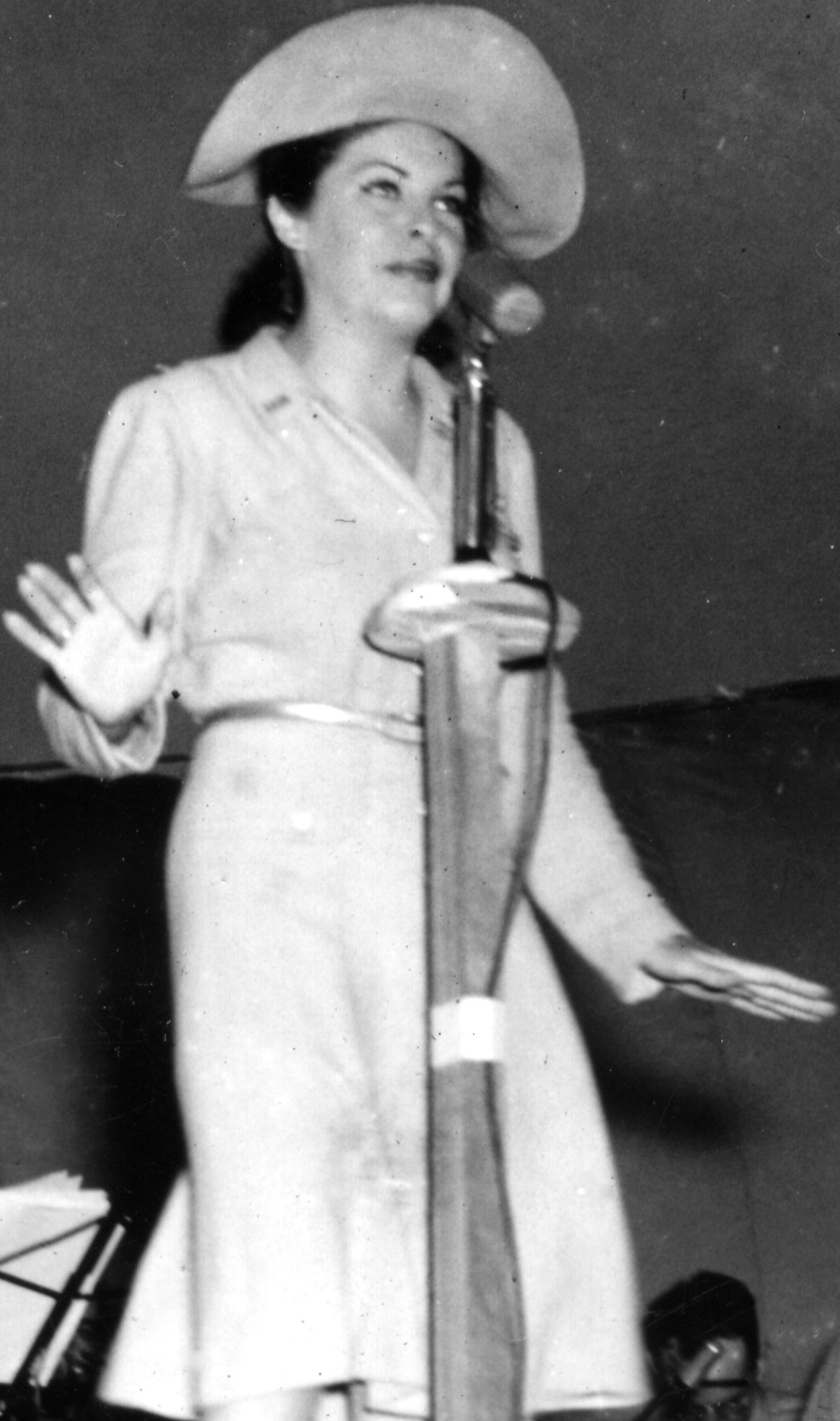
Career and style
Raye began in motion pictures before moving to radio and then television, a common path for entertainers of her era. Her performances combined comic timing, broad facial expression and musical interludes that showcased a versatile vocal style. She also headlined her own variety series in the 1950s, where sketches and song were mixed with guest appearances and comic routines.
- Host of a mid-1950s variety program often identified as The Martha Raye Show
- Recurring television appearances and later character work, including a role as Carrie on the sitcom Alice
- Numerous appearances in films and short features during the studio era of Hollywood
Her public persona was unusually direct and energetic for the period: she was comfortable in slapstick and physical comedy, but also used her singing talent in ballads and upbeat numbers. Raye's work demonstrated the crossover between comic speciality acts and mainstream entertainment in mid-20th-century America.
Service, later life and legacy
Beyond commercial entertainment, Raye was long associated with efforts to entertain U.S. military personnel overseas, a role that contributed to her lasting popularity with veterans and service communities. She received recognition for those efforts from a variety of groups while continuing to appear on television and in public events. In later life she lived in California and died in 1994 of pneumonia in Los Angeles.
Her career is often cited as an example of a mid-century multi‑platform entertainer who bridged vaudeville-style comedy, popular song, film and television. For further reading on variety performers and the entertainment circuits that shaped careers like hers, see background resources on classic radio and television history and entertainers of the 1930s–1960s (movies, television).
Related articles
Author
AlegsaOnline.com Martha Raye: American comedian, singer and actress Leandro Alegsa
URL: https://en.alegsaonline.com/art/62314