
Marjorie Boulton: British writer, poet and Esperanto advocate (1924–2017)
Marjorie Boulton (1924–2017) was a British author and poet who wrote in English and Esperanto, taught English literature, served as a college principal, and later devoted herself to research, translations and advocacy.
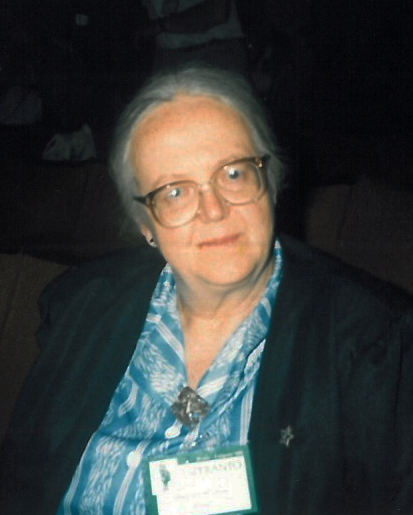
Marjorie Boulton (7 May 1924 – 30 August 2017) was a British author, poet and scholar who produced work in both English and Esperanto. She combined literary criticism, creative poetry and translation, and became a prominent figure in the Esperanto movement as an author and organisational leader. Her career bridged classroom teaching, college administration and later full‑time writing and research.
Image gallery
3 Images

Career and contributions
Boulton taught English literature in teacher training courses and held college leadership responsibilities, serving as a principal during the 1960s. After roughly two decades in education she transitioned to full‑time research and writing. Her output included essays on literary form and language, collections of poetry and translations that sought to make literature accessible across linguistic borders.
Writing in two languages
Writing in both English and Esperanto was central to Boulton's identity as a writer. She published original poetry and prose in English and produced works directly in Esperanto, as well as translations between the two languages. This bilingual practice helped introduce English readers to Esperanto literature and contributed to the cultural life of the international Esperanto community. For more on her life and obituary information see biographical sources, and for examples of her English and Esperanto output consult English works and Esperanto works.
Roles and recognition
- Teacher and educator in English literature and teacher training.
- College principal and administrator in the 1960s.
- Bilingual poet, translator and literary critic.
- Active leader in Esperanto organisations, including presidencies in later life.
Her involvement with Esperanto organisations and cultural groups sustained the language's literary community and supported international exchange. Colleagues remember Boulton for combining clear critical thought with a commitment to making literature intelligible to students and readers across languages.
While best known within literary and Esperanto circles, Boulton's hybrid career—educator, administrator, poet and translator—illustrates a mid‑20th century intellectual who moved between national and international literary publics. Her work remains a reference point for those studying bilingual literary practice and the cultural history of Esperanto literature.
Related articles
Author
AlegsaOnline.com Marjorie Boulton: British writer, poet and Esperanto advocate (1924–2017) Leandro Alegsa
URL: https://en.alegsaonline.com/art/62069
Sources
- members.chello.cz : Starto 5/1996 (172)
- geocities.com : "Oxford and District Esperanto Society" · web.archive.org