
Swan Lake (Tchaikovsky ballet)
An accessible overview of the ballet Swan Lake: its music by Tchaikovsky, plot, development, performance history and its lasting place in the classical repertoire.
Overview
Swan Lake is a full-length romantic ballet composed by Pyotr Ilyich Tchaikovsky with music that has become one of the best-known scores in the classical repertory. The work is most often described as a romantic ballet in four acts and combines lyrical orchestration with dance sequences that range from lyrical adagios to virtuosic displays. The composer wrote the principal music in the early 1870s and later adapted material from a short, earlier piece he had composed for family use in 1871, which included sketches evoking swans.
Image gallery
10 Images




Story and characters
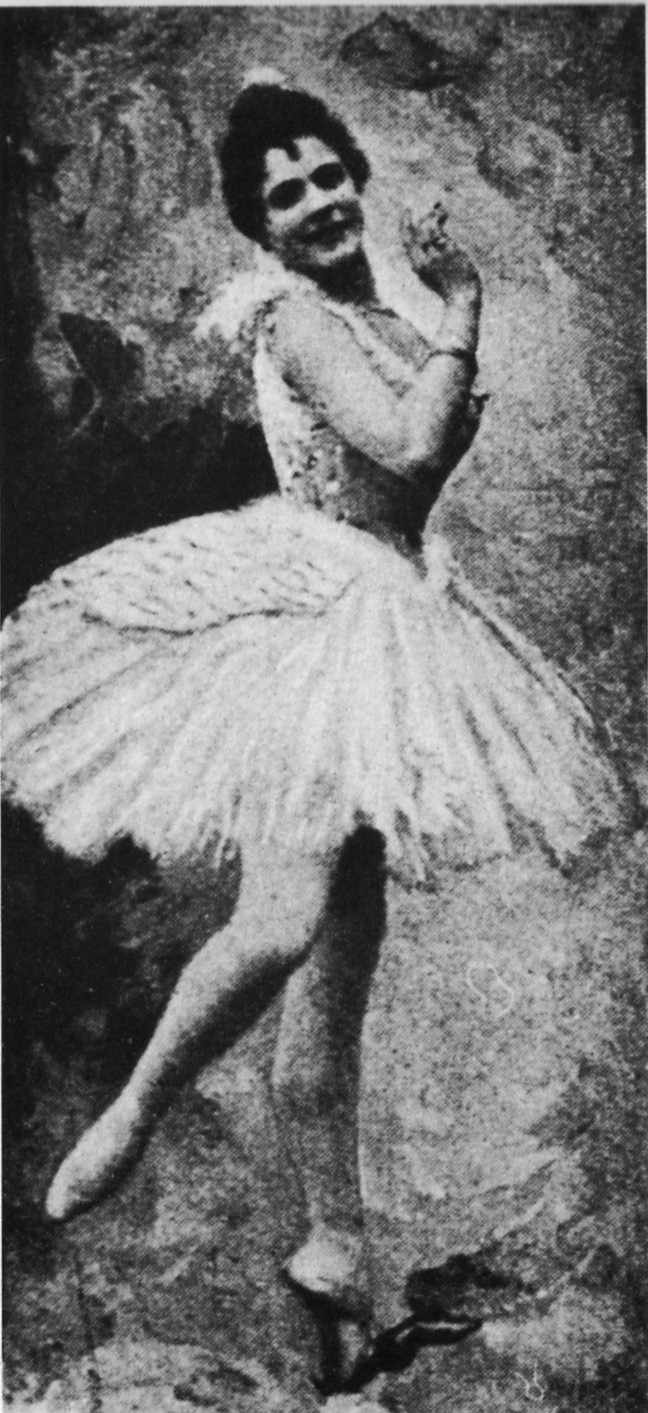
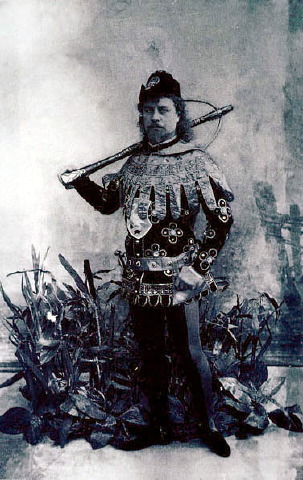
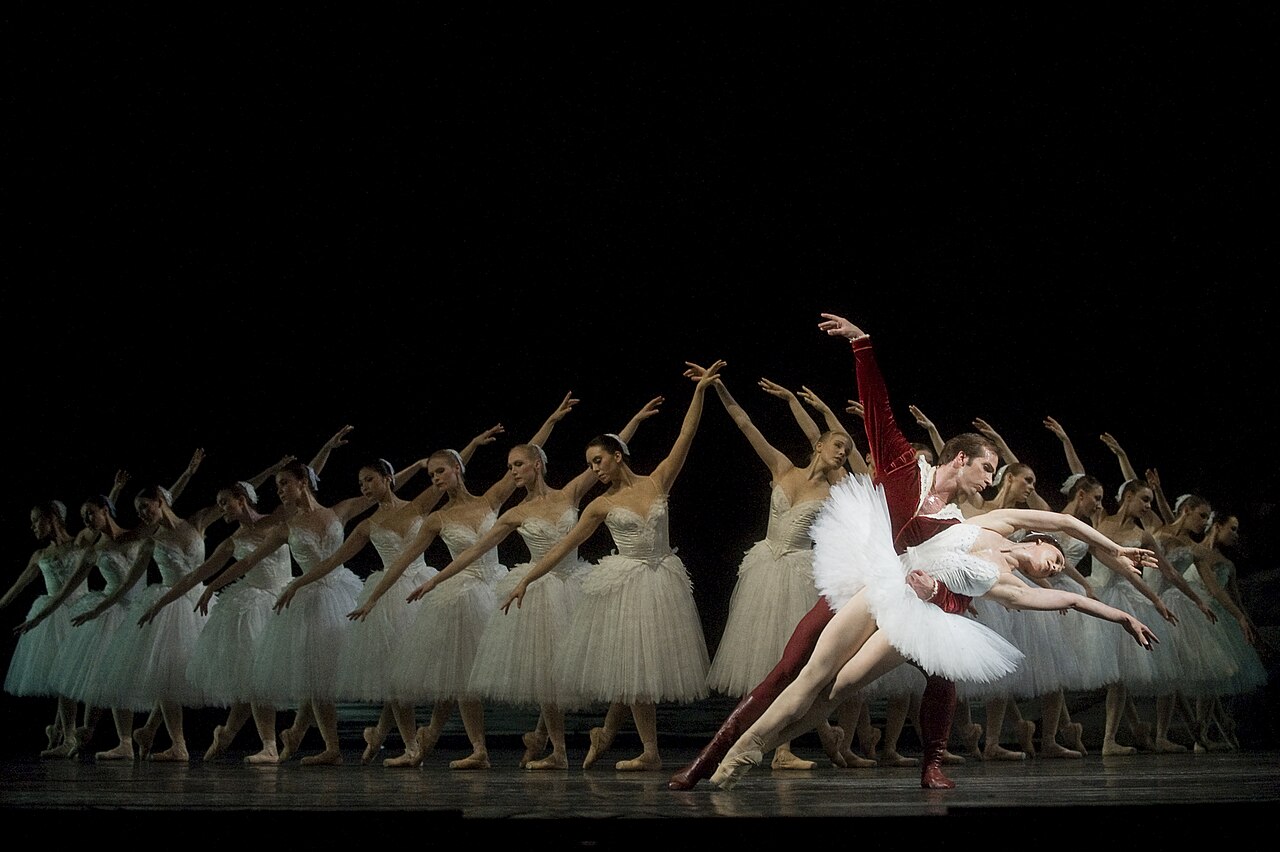
The plot is drawn from folkloric sources, most immediately a fairy tale of probable German origin adapted for the stage. Central figures include Prince Siegfried and the Swan Princess Odette. According to the narrative, Odette and her companions are enchanted: they are swans by day and women by night, bound by a magical curse that can be broken only if a man swears a faithful vow of love. The drama explores themes of fidelity, deception and sacrifice: a courtly promise by Siegfried, a trick by a sorcerer, and a conclusion that in many stagings ends in tragedy.
Musical and choreographic features
Tchaikovsky's score balances orchestral color and memorable melodies with clear dance rhythms. Signature numbers include the lakeside scenes for the swans, solo variations, corps de ballet ensembles and the dramatic "Black Swan" episodes that showcase virtuosic pointe work and character dance. Choreography has varied greatly: the original 1877 production used choreography suited to its time, while the 1895 revival introduced new choreographic ideas that shaped later productions.
Performance history
The ballet premiered on 4 March 1877 at the Bolshoi Theatre in Moscow, Russia, where early reviewers and critics found the work wanting for a variety of reasons and it was not an immediate success. A landmark revival in 1895, staged at the Mariinsky Theatre in St. Petersburg with new choreography and revisions, established the version from which most modern stagings descend.
Legacy and variations
Today Swan Lake is a cornerstone of ballet companies worldwide and is frequently adapted: some productions present a faithful 19th-century style, others reinterpret the tale in contemporary terms. Directors and choreographers often alter the ending, emphasize psychological elements, or reimagine the setting while keeping the central motifs of transformation and tragic love. Recordings, concert suites and excerpts from the score have also helped make the music familiar beyond the ballet stage.
Notable facts and distinctions
- Although the original score dates to the 1870s, the version most commonly performed reflects late-19th-century revisions and choreographic contributions.
- Swan Lake is frequently cited as an example of how music and dance together can create enduring theatrical archetypes.
- Different productions highlight either the supernatural aspects of the story or the human drama of the central characters, affecting costume, set design and choreography.
For further reading on the ballet's music, staging, and interpretive history, consult specialist histories of ballet and editions that document early productions and later revisions. Many modern productions continue to reinterpret the work for new audiences and artistic aims.
romantic ballet | Pyotr Ilyich Tchaikovsky | music | 1871 piece | swans | German | fairy tale | Siegfried | Odette | swan by day | magic | vow | Bolshoi Theatre | Moscow | Russia | critics | Mariinsky Theatre
Questions and answers
Q: Who wrote the music for Swan Lake?
A: Pyotr Ilyich Tchaikovsky wrote the music for Swan Lake.
Q: What is the story of Swan Lake based on?
A: The story of Swan Lake is based on a German fairy tale.
Q: Who is Siegfried in the ballet?
A: In Swan Lake, Siegfried is a prince who falls in love with the Swan princess, Odette.
Q: What must happen to break Odette's spell?
A: To break Odette's spell, a man must make a promise to love her for all time.
Q: When was the first performance of Swan Lake?
A: The first performance of Swan Lake was on 4 March 1877 at the Bolshoi Theatre in Moscow, Russia.
Q: How did critics react to this initial performance?
A: Critics reacted negatively to the initial performance and looked upon it as a failure.
Q: How was it received when performed again in 1895?
A:When performed again in 1895 after some changes were made, it was received much more positively and thought by critics to be great success.
Related articles
Author
AlegsaOnline.com Swan Lake (Tchaikovsky ballet) Leandro Alegsa
URL: https://en.alegsaonline.com/art/95422