
Mark Antony (Marcus Antonius) — Roman general and politician
Mark Antony (c.82–30 BC) was a Roman patrician, military commander, ally of Julius Caesar, member of the Second Triumvirate, and a central figure in the civil wars that ended the Roman Republic.
Overview
Mark Antony (Latin: Marcus Antonius, c. 82 BC–30 BC) was a Roman aristocrat, military commander and statesman. Not to be confused with the modern singer Marc Anthony, he rose from the noble gens Antonia to become one of the most influential figures in the final decades of the Roman Republic. Antony is best known for his close association with Julius Caesar, his role in the civil wars that followed Caesar's assassination, and his political and personal alliance with Cleopatra VII of Egypt.
Image gallery
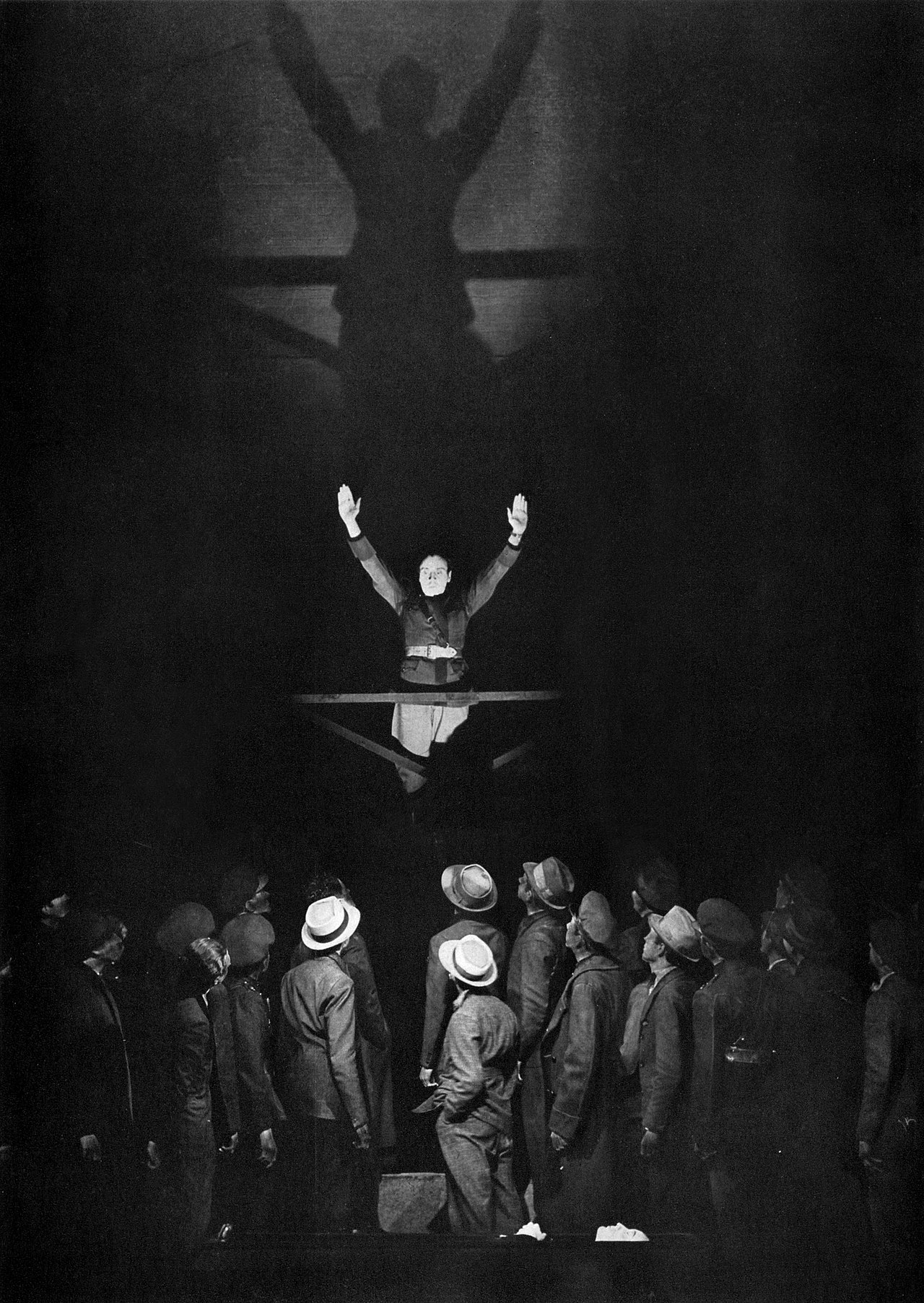
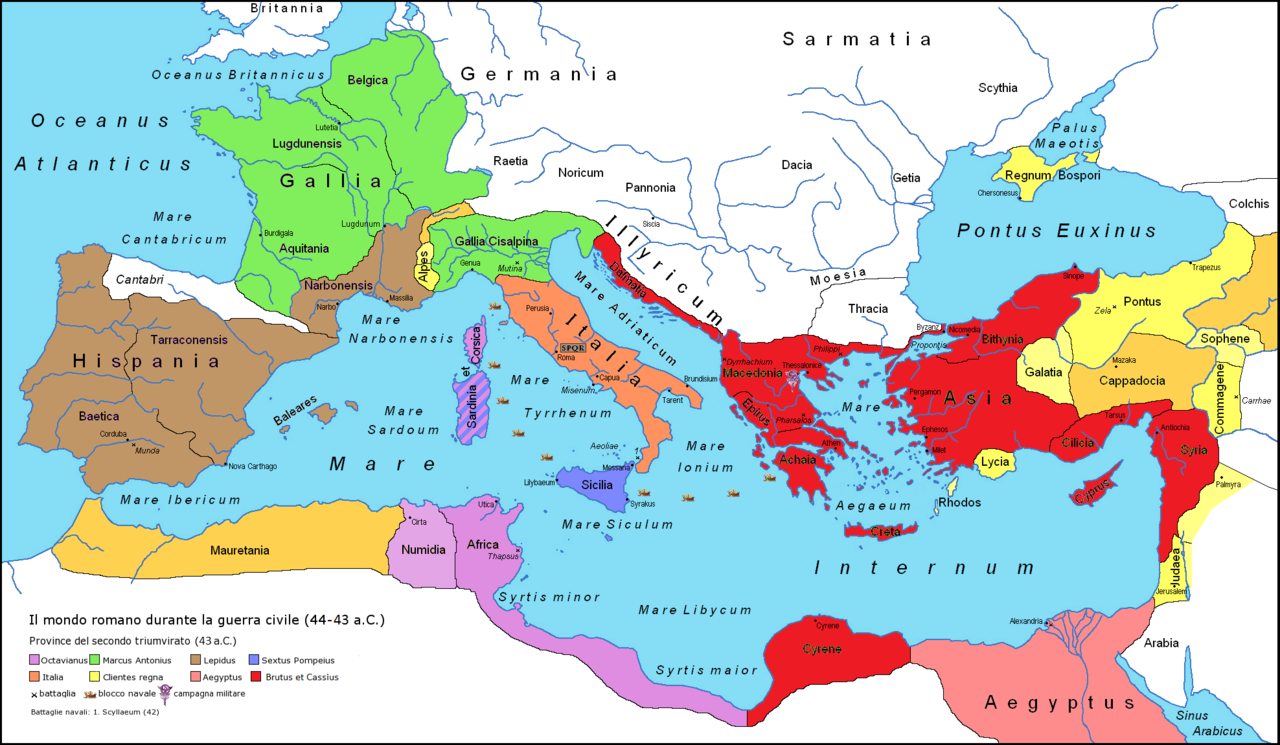
10 Images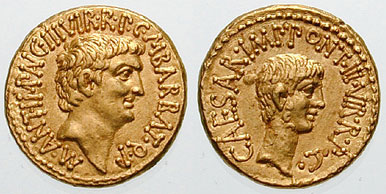




Background and early career
Born into the gens Antonia, Antony belonged to a prominent Roman family and benefited from aristocratic connections and patronage. He followed the customary cursus honorum, serving in military and administrative posts that built his reputation as a leader. Early in his career he combined military service with diplomacy and public office, a common path for ambitious Roman nobles of his time. His social standing is often described by ancient sources as patrician in character, rooted in the Roman elite traditions and networks represented by the Antonia family.
Service under Julius Caesar
Antony became a key supporter and lieutenant of Caesar, acting as a commander and provincial administrator during the years when Caesar dominated Roman politics. As a general he commanded troops in several campaigns and as a politician he worked to consolidate Caesar's authority and reforms. His loyalty to Caesar boosted his prominence but also tied his fortunes to Caesar's fate.
Consulship, assassination and the struggle for power
After Caesar's assassination in 44 BC, Antony initially sought to assert control in Rome through his office and influence. He was consul in the immediate aftermath and used his position to challenge the conspirators who had killed Caesar. The ensuing period saw shifting alliances, public violence and political maneuvering as various leaders vied for supremacy.
The Second Triumvirate and civil war
In 43 BC Antony formed the Second Triumvirate with Octavian (the future Augustus) and Lepidus, a legal and military partnership that enabled them to pursue their opponents and reorganise power across the Roman world. The triumvirs defeated the forces of the republican conspirators at Philippi, but tensions between Antony and Octavian increased over time, producing a prolonged rivalry. Antony's responsibilities in the eastern provinces, and his links with client rulers there, shifted the balance of power and ultimately deepened the divide with Rome's western leadership.
Cleopatra, Actium and final years
Antony's political and romantic alliance with Cleopatra VII of Egypt was a defining feature of his later career. Their partnership combined dynastic ambition with military and regional strategy and produced children who were publicly presented as heirs to eastern territories. This relationship alarmed many in Rome and provided Octavian with potent propaganda. The competition culminated in the naval battle of Actium in 31 BC, where Antony and Cleopatra's forces were decisively defeated. Following the collapse of their position, Antony retreated to Egypt, where he died in 30 BC as Octavian consolidated control.
Legacy and cultural depiction
Antony's life marks a turning point in Roman history: his career bridged the collapse of the republic and the rise of imperial rule under Augustus. Ancient historians and later writers have portrayed him variously as a skillful commander, a passionate figure, and a political strategist whose choices helped shape the end of the Roman Republic. He appears prominently in literary and artistic tradition, most famously in works such as Shakespeare's dramatizations, which emphasize both his political talents and tragic end.
- Key roles: ally of Caesar, consul in the aftermath of the assassination, member of the Second Triumvirate.
- Notable episodes: Philippi, alliance with Cleopatra, Actium and the eastern campaigns.
- Further study: consult primary Roman accounts and modern histories for different interpretations of Antony's motives and actions.
For general introductions and more detailed studies consult dedicated biographies and histories of the late Republic; these provide fuller accounts of Antony's military commands, political maneuvers and his enduring cultural legacy. Additional resources and entries on related figures and events can be found through scholarly compilations and reference works.
See also: patrician class in Rome, Roman military command, and accounts of the Caesarian era for broader context.
Questions and answers
Q: Who is Mark Antony?
A: Mark Antony, also known as Marcus Antonius, was a Roman patrician who became a general and politician.
Q: When was Mark Antony born?
A: Mark Antony was born on January 14, circa 82 BC.
Q: When did Mark Antony die?
A: Mark Antony died on August 1, 30 BC.
Q: Was Mark Antony a supporter of Julius Caesar?
A: Yes, Mark Antony was an important supporter of Julius Caesar as a military commander and administrator.
Q: What was Mark Antony's social status?
A: Mark Antony was born into an upper-class family and was a Roman patrician.
Q: What role did Mark Antony play in Roman politics?
A: Mark Antony was a politician and military commander who became an important supporter of Julius Caesar.
Q: Is Marc Anthony the same person as Mark Antony?
A: No, Marc Anthony is an American singer and is not the same person as the Roman politician and general, Mark Antony.
Related articles
Author
AlegsaOnline.com Mark Antony (Marcus Antonius) — Roman general and politician Leandro Alegsa
URL: https://en.alegsaonline.com/art/62073
Sources
- davidrsear.com : "Common legend abbreviations on Roman coins"
- commons.wikimedia.org : Marcus Antonius