
Mariscal Sucre International Airport (Quito)
Primary international airport serving Quito and Ecuador, opened in 2013 and named for Antonio José de Sucre; modern single-terminal facility located in Tababela, replacing the older city-center airport.
Overview
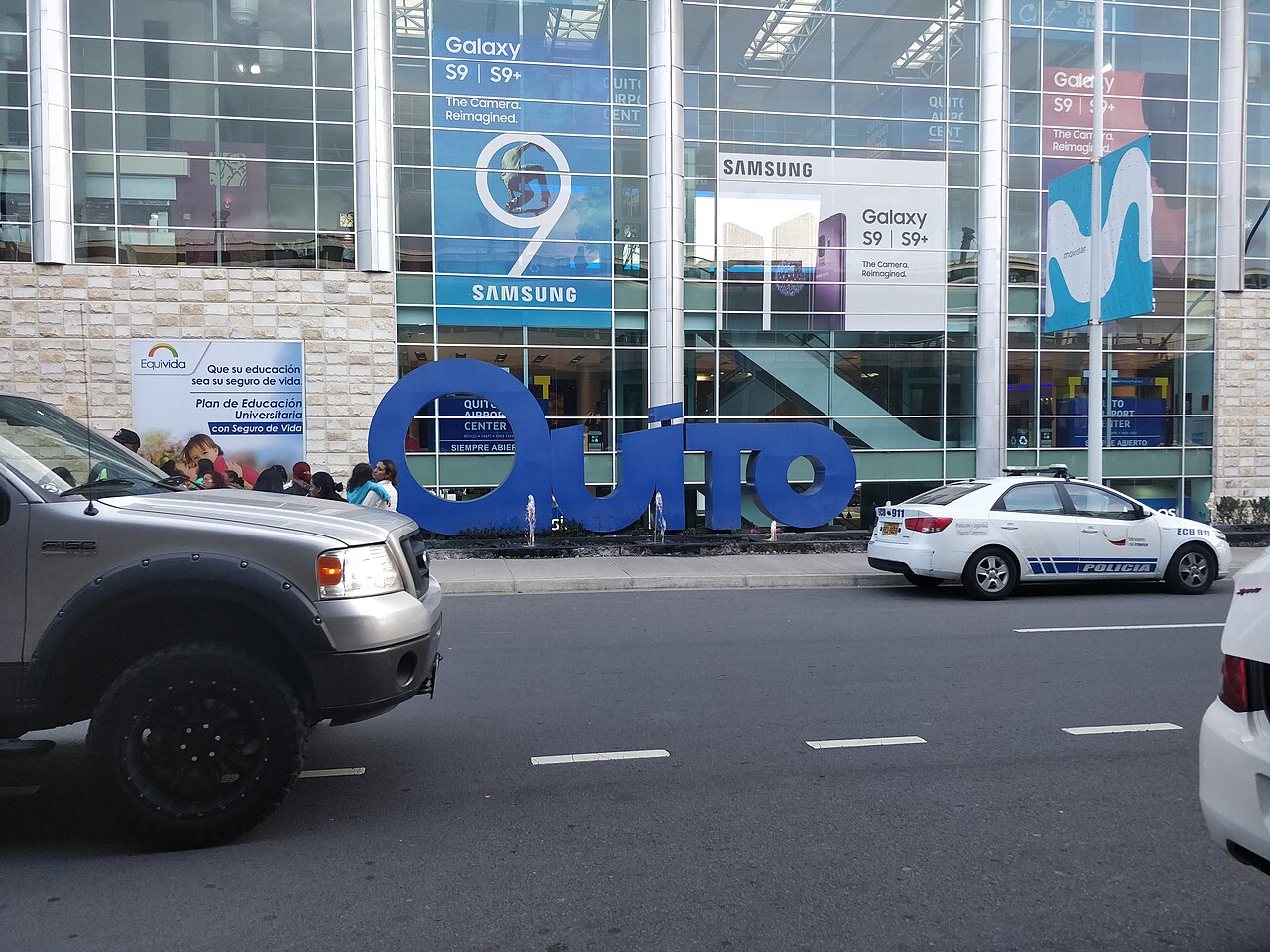
Mariscal Sucre International Airport (Spanish: Aeropuerto Internacional Mariscal Sucre) is the principal air gateway for Ecuador’s capital region. Identified by IATA: UIO and ICAO: SEQM, the airport sits in the parish of Tababela about 18 kilometres east of Quito. It handles the largest share of international and domestic passenger traffic in the country and is widely regarded as the busiest airport in Ecuador and one of the more active hubs in South America.
Image gallery
10 Images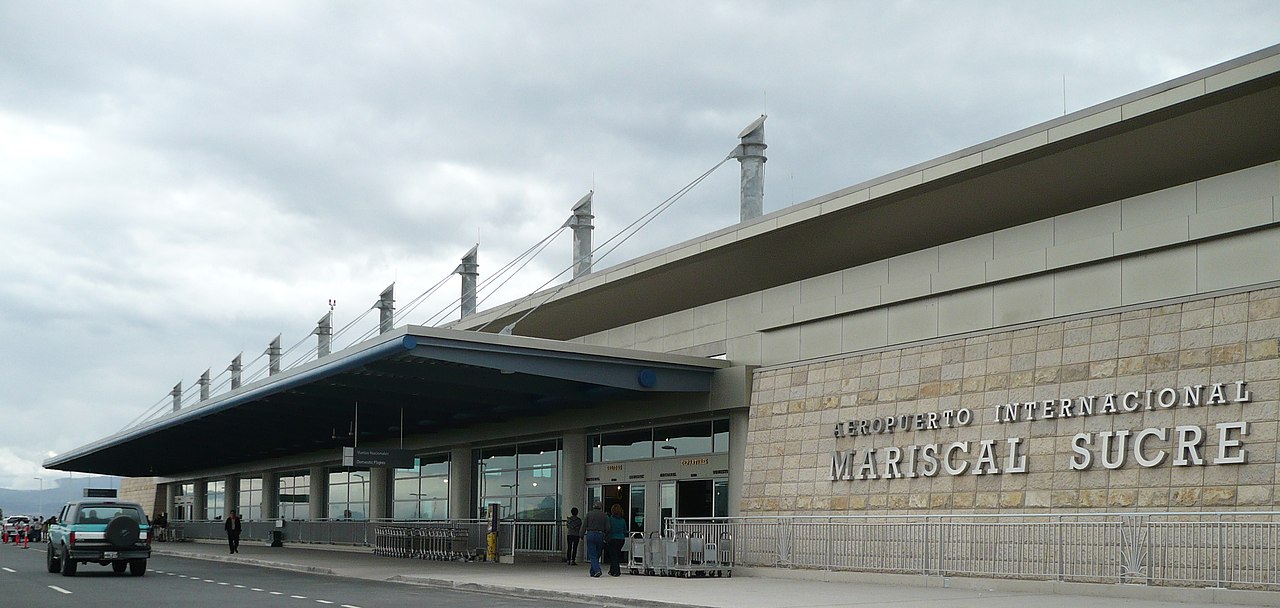

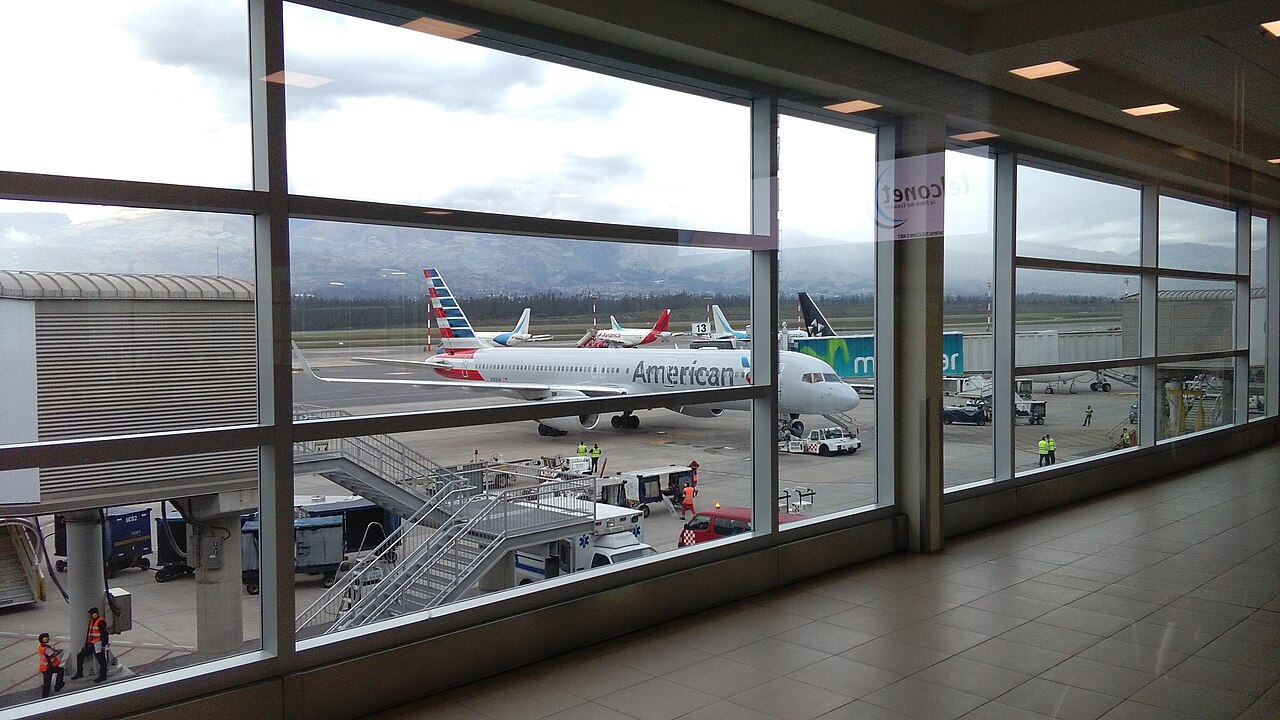
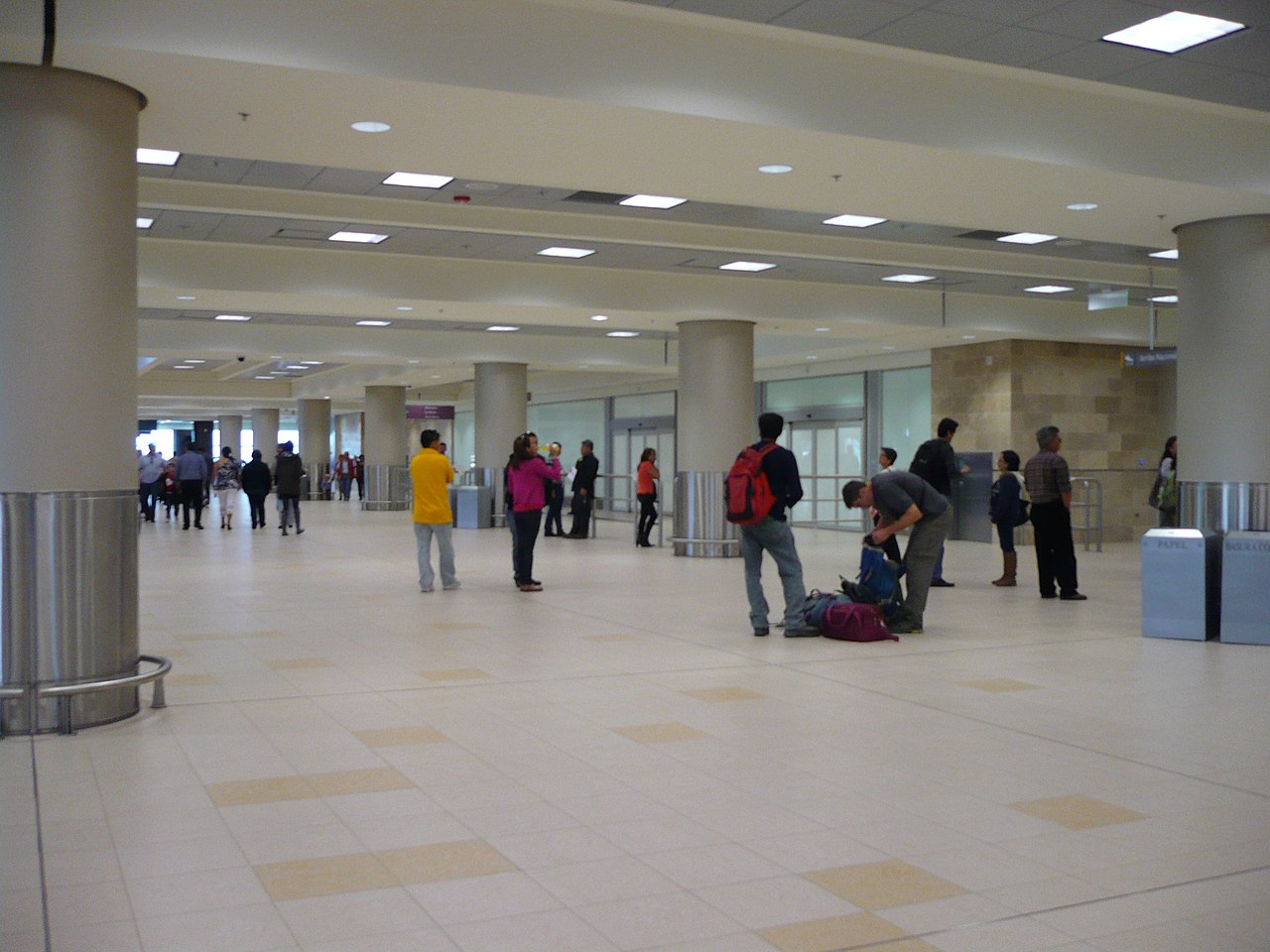


Facilities and operations
The airport was designed as a modern single-terminal complex to consolidate domestic and international services in one building with separate processing zones for arrivals and departures. Its runways and apron are configured to accept narrow- and wide-body jet aircraft, enabling long-haul operations as well as dense domestic schedules. Passenger amenities include check-in halls, security screening, customs and immigration areas, and a range of retail and food services. Ground transportation links concentrate on road access, airport shuttles, taxis and private cars connecting Quito and surrounding communities.
History and name
Opened in February 2013, this airport replaced the older facility that was located nearer to Quito’s urban core. The relocation responded to capacity, safety and expansion limits at the former site and to the need for an airport better suited to contemporary aircraft and traffic levels. The airport takes its name from Antonio José de Sucre, a leading figure in the independence movements of the 19th century; many sources note the dedication in his honor (Antonio José de Sucre).
Airlines, routes and role
Mariscal Sucre serves a mix of domestic carriers and international airlines, linking Quito with regional capitals and airports across the Americas and providing connections further afield. It has been a major operating base for national carriers such as TAME, historically considered a national airline and sometimes described as a flag carrier in discussions of Ecuador’s aviation sector. The airport supports scheduled passenger flights, charter services and cargo operations.
Importance and notable facts
- Built to improve safety margins and capacity compared with the former city-center airport.
- Located in a highland region where mountain weather patterns and terrain are significant operational factors.
- Serves as the primary international gateway for tourists, business travelers and the Ecuadorian diaspora.
As a modern transport hub for the capital, Mariscal Sucre International Airport plays a central role in Ecuador’s connectivity and economic links. For travelers it represents the main point of entry to Quito and the northern Andean region, and for the aviation network it functions as a nodes of domestic distribution and international access.
Related articles
Author
AlegsaOnline.com Mariscal Sucre International Airport (Quito) Leandro Alegsa
URL: https://en.alegsaonline.com/art/62055
Sources
- aeropuertoquito.aero : "Aeropuerto Mariscal Sucre - Home"
- corpaq.com : Empresa Publica Metropolitana de Servicios Aeroportuarios · web.archive.org
- elcomercio.com : "Se develó la placa con el nombre del aeropuerto de Quito"