
Mass Rapid Transit (Singapore)
Singapore's Mass Rapid Transit (MRT) is the island's primary urban rail system, linking residential, commercial and industrial areas with a growing network of lines and frequent, electrified trains.
Overview
The Mass Rapid Transit (MRT) is Singapore's core rapid transit network, providing high-capacity rail service across the city-state. Conceived as the principal spine of public transport, the MRT combines underground, at-grade and elevated sections to connect homes, business districts, regional centres and transport interchanges. It operates as an electric, grade-separated metro system with color-coded lines, frequent trains and integrated fares that tie the MRT to bus services and other modes.
Image gallery
4 Images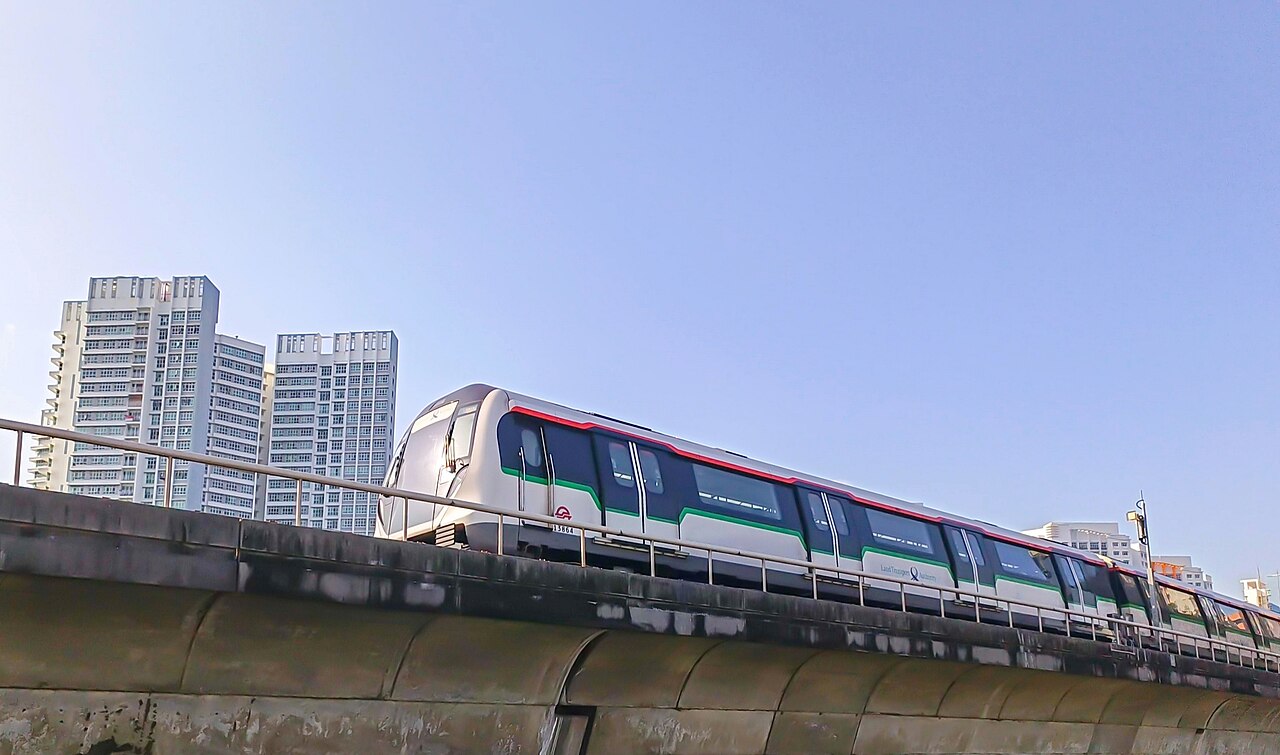

Network and lines
The MRT network consists of several major lines that serve different corridors and travel demands. Stations are designed as interchange nodes where passengers can transfer between lines. Current and developing lines typically include:
- North–South Line — a primary axis linking northern suburbs to the central area.
- East–West Line — traverses the island from east to west, serving residential and industrial zones.
- North–East Line — a high-capacity line serving densely populated northeastern towns; it was one of the first fully automated lines.
- Circle Line — an orbital route that improves connections between radial lines without going through the central core.
- Downtown Line and Thomson–East Coast Line — newer lines that extend rapid transit reach into developing areas.
- Additional projects and extensions, including regional lines, are being progressively added to increase coverage and capacity.
Characteristics and operations
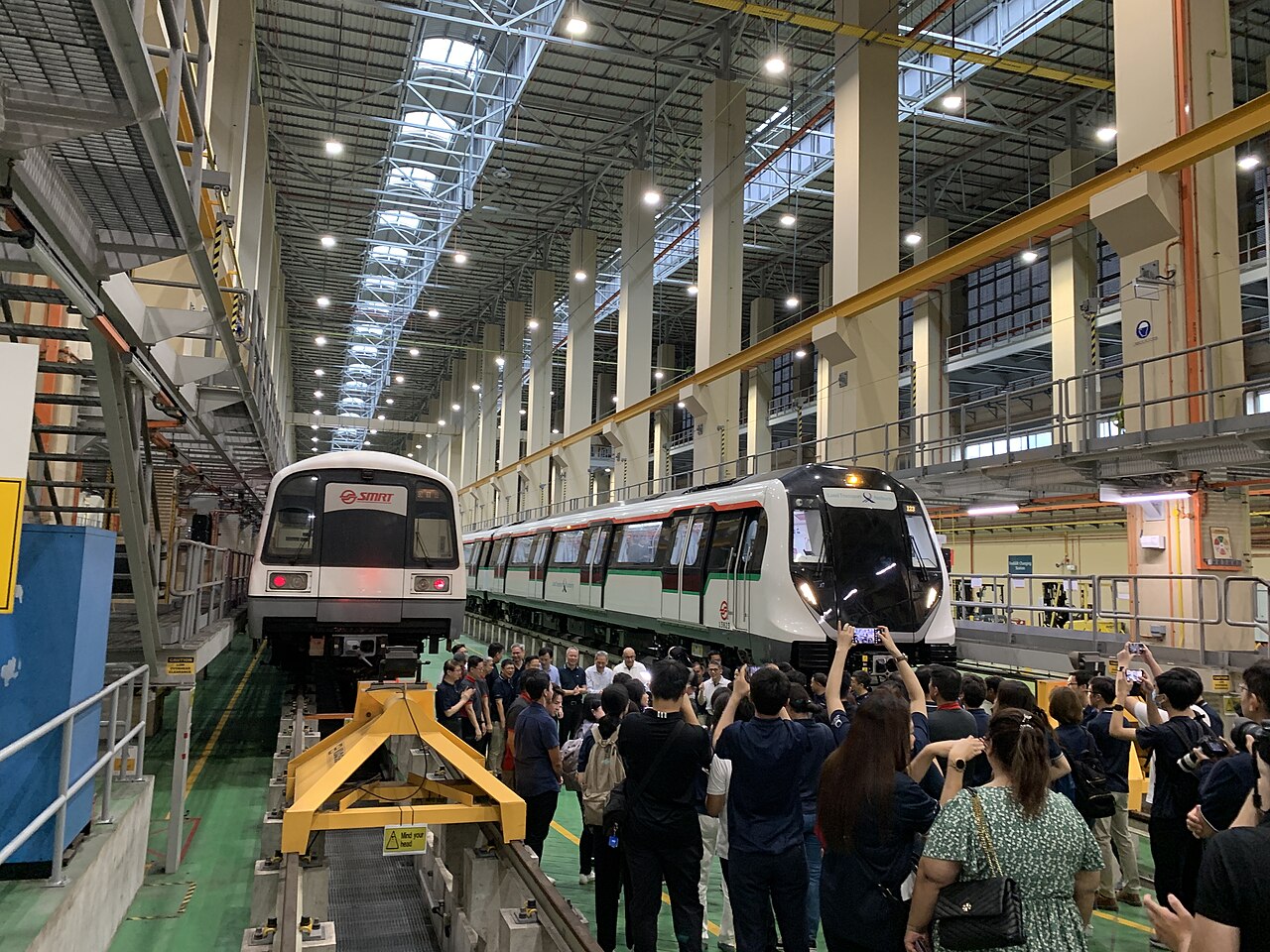
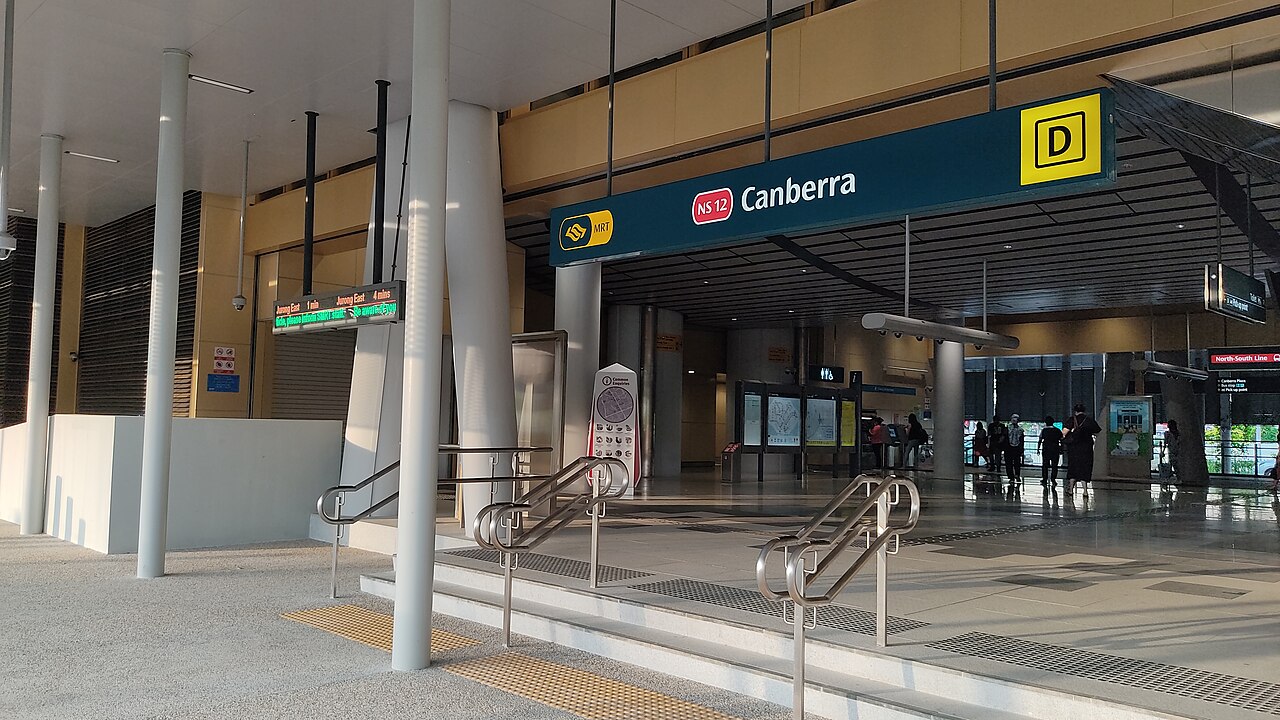
MRT services are run by more than one operator under government oversight. Trains are electrically powered and run on dedicated rights-of-way, allowing for fast, reliable journeys unaffected by surface traffic. Stations generally provide step-free access, signage in multiple languages, and passenger information systems. Modern signalling and train control technologies are used on newer lines; some lines run with fully automated, driverless operation while other lines have been progressively upgraded for higher throughput.
Ticketing is integrated across the public transport network. Passengers commonly use contactless stored-value cards or mobile ticketing to pay fares, and many stations connect directly with major bus interchanges to facilitate transfers and reduce total travel time.
History and development
Planning for a rail backbone in Singapore began decades before the first trains entered service. After an extended period of planning and phased construction, the MRT opened in the late 1980s with an initial short section and a handful of stations; expansion continued rapidly in subsequent years as the city-state prioritised rail as the preferred high-capacity transit mode. For more detailed historical timelines and official resources, see the system overview at MRT information.
Ridership, uses and importance
The MRT carries millions of journeys each day and forms the backbone of daily commuting, linking residential towns with employment centres, education, shopping and recreational areas. Before the global downturn in travel caused by the COVID-19 pandemic, the system recorded average weekday ridership in the millions, reflecting its role in reducing congestion and supporting economic activity. The network is also used for event transport planning and as a template for urban transit integration in dense cities.
Notable features, distinctions and future outlook
Notable aspects of Singapore's MRT include extensive integration with land use planning, high standards of maintenance and cleanliness, and ongoing investments to expand capacity. Authorities continually plan extensions, new lines and upgrades to signalling, platforms and accessibility. Current and proposed projects aim to bring rapid transit within walking distance of a larger share of the population and to add resilience through more cross-island connections; official project pages provide updates and maps at project updates and network expansion.
As the network grows, emphasis remains on frequent service, passenger safety and seamless interchange between modes. The MRT has become a defining element of Singapore's urban mobility strategy, shaping how the city expands and how residents move daily.
Questions and answers
Q: What is the Mass Rapid Transit system?
A: The Mass Rapid Transit (MRT) system is a rapid transit system that makes up the railways in Singapore, connecting different places of the city-state together using a network of trains.
Q: When did operations for the MRT begin?
A: Operations for the MRT began in November 1987 with 5 stations spread over 6 kilometres (3.7 mi) of track.
Q: How has the network grown since its inception?
A: The network has grown quickly in accordance with Singapore's aim of developing a complex rail network as the core of their public transportation system, averaging a daily ridership of 3.384 million in 2019.
Q: How does one travel on the MRT?
A: To travel on the MRT, one boards a train at a train station and then alights from it when they reach their destination, sometimes having to change trains along their journey.
Q: What is Singapore's goal regarding its public transportation system?
A: Singapore's goal is to develop a complex rail network as part of its public transportation system.
Q: How many people use the MRT daily?
A: On average, 3.384 million people use the MRT daily.
Related articles
Author
AlegsaOnline.com Mass Rapid Transit (Singapore) Leandro Alegsa
URL: https://en.alegsaonline.com/art/62676
Sources
- straitstimes.com : "Bus, train trips hit record high last year"
- lta.gov.sg : "Downtown Line" · web.archive.org · web.archive.org
- straitstimes.com : "Downtown Line Stage 1 officially opened by PM Lee"
- thejakartaglobe.com : "Singapore's MRT Breakdown Chaos Leaves Thousands Stranded"
- smrt.com.sg : "Our Business"
- sbstransit.com.sg : "Overview – North East Line" · web.archive.org
- lta.gov.sg : "Downtown line" · web.archive.org
- lta.gov.sg : "Other Rail Projects"