
Antonio José de Sucre — Venezuelan independence leader and statesman
Antonio José de Sucre (1795–1830) was a Venezuelan leader, close ally of Simón Bolívar, victorious general at Ayacucho, and head of state in early Peru and Bolivia; his name appears across South America.
Overview
Antonio José de Sucre y Alcalá (1795–1830) was a leading military and political figure in the Spanish American wars of independence. Remembered as the Gran Mariscal de Ayacucho, Sucre combined skill as a battlefield commander with roles as a statesman during the formation of several new republics. He is widely identified with the independence movements that dissolved Spanish rule in northern South America and is often noted as one of the closest collaborators of Simón Bolívar.

Image gallery
8 Images




Early life and military career
Born into a creole family in the late eighteenth century, Sucre rose quickly through revolutionary ranks. He took part in campaigns across the northern Andes, leading troops in present-day Colombia, Ecuador and Peru. His most famous military achievement was the victory at the Battle of Ayacucho in December 1824, a decisive encounter that effectively ended Spanish military power in South America and earned him the honorific referenced above. Sucre's combination of tactical judgement and diplomatic temperament made him a central figure in postwar military and civil administration.
Political leadership and offices
After the principal military campaigns, Sucre assumed civil responsibilities in newly independent states. He served as an early head of state in the Andean republics, including a tenure as the fourth formal leader in Peru, and as the second constitutional president involved with the founding of Bolivia (often referred to in contemporary lists as the second president). His administrations had to balance the transition from military victory to stable governance while managing regional rivalries and the political currents that followed independence.
Assassination and immediate aftermath
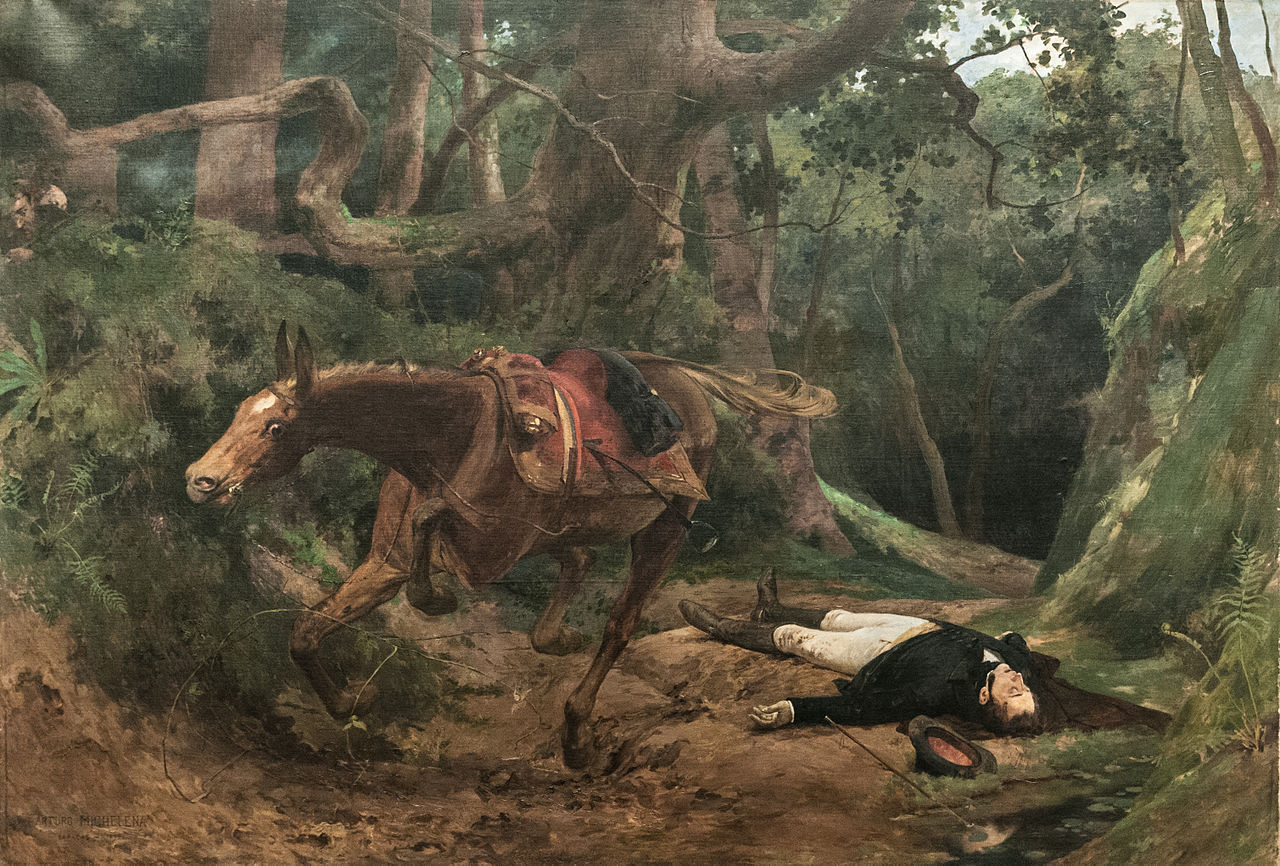
Sucre's life ended violently when he was shot and killed on 4 June 1830 at the age of 35. The assassination removed one of the more moderate leaders of the independence generation at a moment of sharp political fragmentation. The motives and responsibilities surrounding his death have been the subject of historical inquiry and debate; his death accelerated the political realignments that followed Bolívar's own withdrawal from power.
Legacy and commemoration
Sucre's name endures across South America as a symbol of the independence era. A number of places and institutions bear his name in tribute to his role in the wars of liberation and in early republican government:
- The city of Sucre, which serves as Bolivia's constitutional capital.
- The Venezuelan state of Sucre, named in his honor.
- The Colombian department of Sucre.
- Quito's main airport, the Mariscal Sucre International Airport, referencing his name; the airport serves Ecuador (Ecuador) and its capital region (Quito).
- Former national currency names and numerous streets, squares and monuments across the hemisphere also memorialize him.
Significance and distinctions
Sucre stands out among independence-era leaders for the combination of military success and attempts at civilian governance. Unlike some contemporaries who remained principally military figures or who concentrated power, Sucre is often remembered for his efforts to stabilize newly independent territories and to create functioning institutions. His youth at the time of his death and his association with multiple emerging states contribute to his lasting symbolic presence in regional memory and place names.
Related articles
Author
AlegsaOnline.com Antonio José de Sucre — Venezuelan independence leader and statesman Leandro Alegsa
URL: https://en.alegsaonline.com/art/114444
Sources
- bolpress.com : "Ultimas cartas de Sucre"